
Introduction to Section 310 BNSS
BNSS Section 310 is part of Chapter XXV of the Bharatiya Nagarik Suraksha Sanhita, 2023 (BNSS). This section explains how the evidence of witnesses should be recorded in warrant-cases before a Magistrate. Warrant-cases involve more serious crimes compared to summons-cases. BNSS 310 ensures that witness statements are properly written, signed, or recorded through audio-video means, making the trial fair, official, and reliable.
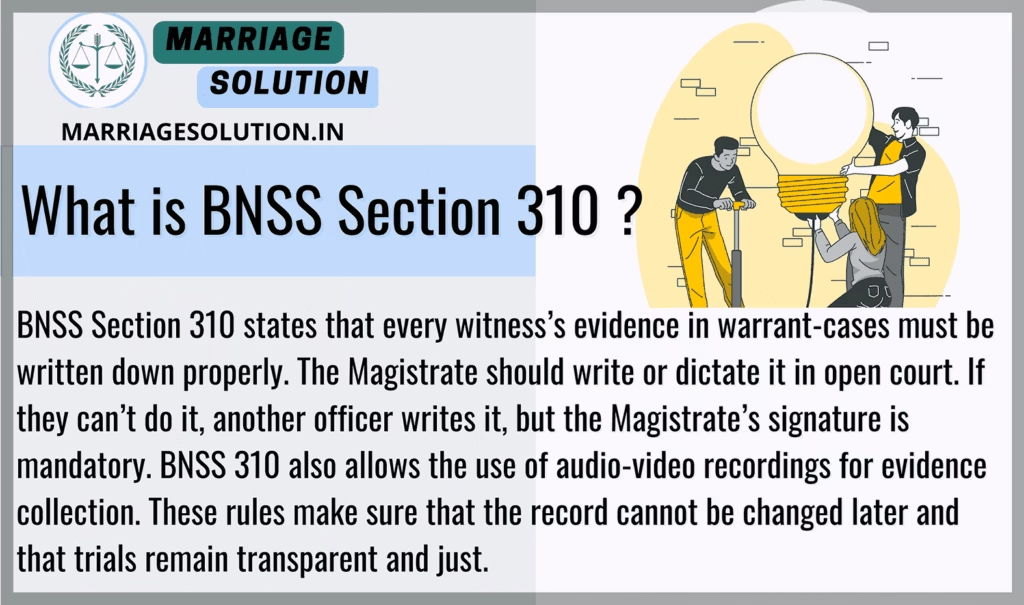
What is BNSS Section 310 ?
BNSS Section 310 states that every witness’s evidence in warrant-cases must be written down properly. The Magistrate should write or dictate it in open court. If they can’t do it, another officer writes it, but the Magistrate’s signature is mandatory. BNSS 310 also allows the use of audio-video recordings for evidence collection. These rules make sure that the record cannot be changed later and that trials remain transparent and just.
BNSS Section of 310 in Simple Points
1. Applies to Serious Warrant-Cases
BNSS Section 310 applies to warrant-cases, which usually involve serious criminal offences like major theft, assault, or fraud. These cases need detailed and reliable evidence records. It ensures that when a witness gives a statement, it is written down immediately as they speak. This helps create a clear record for both the court and the parties involved. The rule ensures that the trial is handled carefully and properly.
2. Magistrate’s Duty to Record Evidence
The Magistrate should write or dictate the witness’s evidence in open court. This keeps the evidence genuine and trustworthy because it is recorded under the direct supervision of the court. If the Magistrate is physically unable to do this, they can assign a court officer to write it while they supervise. By following this system, the court maintains accuracy and control over the legal process.
3. Use of Audio-Video Electronic Means
BNSS 310 introduces modern technology into the trial process by allowing audio-video recordings of evidence. This can be especially useful in complex or sensitive cases. However, the recording must happen in the presence of the accused’s advocate to protect the accused’s rights. This ensures that technology supports fairness and helps record evidence clearly and honestly without violating anyone’s legal rights.
4. Written Certificate for Not Writing Personally
If the Magistrate does not write or dictate the evidence, they must issue a certificate explaining why. This certificate makes the process transparent and fair. It prevents misuse by making sure that the reason is on public record for everyone to see. This rule builds trust in the court’s actions and ensures that no one can later claim that the evidence was wrongly recorded or handled in secret.
5. Signed by Magistrate and Forms Part of Record
Once recorded, whether written or audio-video, the Magistrate must sign the evidence statement. Without the Magistrate’s signature, the document will not be accepted as an official record. Once signed, it becomes part of the official court file, which is used for judgments, appeals, and reviews. This rule protects both the accused and the witnesses, making the trial strong, fair, and reliable.
310 BNSS Overview
BNSS 310 is made to bring clarity and honesty to the process of recording evidence in warrant-cases. The Magistrate must either write the evidence personally or dictate it openly in court. If unable, the Magistrate can direct a court officer to record it under their supervision. The section also allows for video recording of evidence in serious cases. This helps courts maintain transparency, fairness, and legal strength in trials.
10 Key Points of BNSS Section 310
1. Applies to Warrant-Cases
BNSS Section 310 applies to warrant-cases, which generally involve serious offences like major theft, assault, or fraud. These cases are more serious than summons-cases, and therefore need a proper and careful recording of witness evidence. Every statement from the witness must be written down as the witness speaks. This makes sure that the court has a clear and accurate record of what was said by each person during the trial.
2. Role of the Magistrate in Recording
As per BNSS 310, the Magistrate himself should write down the evidence or dictate it in open court to someone else. This process keeps the evidence reliable and official. If for some reason the Magistrate cannot write due to physical or health reasons, they can direct a court officer to write it on their behalf. This ensures that even if the Magistrate is unwell, the evidence recording does not stop and the trial continues smoothly.
3. Recording by Electronic Means Allowed
To make the process modern and efficient, BNSS Section 310 also allows witness evidence to be recorded through audio-video electronic means. This can be used when necessary, especially in complex or sensitive cases. However, the recording must be done in the presence of the accused’s advocate to protect the rights of the accused. This balance of technology and fairness improves the way courts function in India.
4. Certificate of Reason for Not Writing
If the Magistrate does not write the evidence personally, they must provide a certificate explaining why they could not do so. This certificate must be recorded along with the evidence to show full transparency. It prevents any misuse of power or mistakes during the trial process. Courts must make sure that the reason for delegation of writing is clear and available for future reference if needed in appeals or reviews.
5. Format of Recording Evidence
BNSS 310 states that evidence should generally be written in a narrative form. This means writing it like a continuous story or explanation of events. However, if the Magistrate feels it’s necessary, they can choose to write the evidence in a question-and-answer format for clarity. This flexibility helps the court record complicated or important details more clearly. It makes the evidence easy to understand later during judgments.
6. Signature of Magistrate is Mandatory
No matter who writes the evidence, the Magistrate must sign it personally at the end. This signature gives the document its official legal value. Without the Magistrate’s signature, the evidence cannot be treated as official in the trial. Signing the document shows that the Magistrate accepts responsibility for the accuracy of the written record. It makes the evidence trustworthy and usable in legal decisions.
7. Becomes Part of Court Record
The written evidence, once signed, becomes part of the official record of the trial. It is carefully stored and can be used by both sides in court to build their arguments. Lawyers and judges rely on these records to make fair decisions. If a case goes for an appeal or review, this official record will be checked by higher courts. It helps maintain the accuracy and fairness of the justice system.
8. Ensures Fairness for the Accused
BNSS Section 310 ensures that witnesses do not later change their statements, protecting the rights of the accused. Since the evidence is officially recorded and signed, the accused has a fair chance to cross-examine the witness based on what was written. This prevents false claims or surprises during the trial. It ensures that the trial process remains fair and honest for both the accused and the complainant.
9. Brings Transparency to Serious Trials
Warrant-cases usually involve more serious crimes and therefore need greater accountability and transparency. By recording everything openly in court or through video means, BNSS Section 310 prevents any unfair or hidden processes. This rule strengthens public trust in the justice system and ensures that even powerful people cannot manipulate the trial process. Transparency is one of the major strengths of this section.
10. Supports Modern, Digital Court System
Allowing the use of audio-video recordings for witness evidence under BNSS 310 is a step towards modernizing Indian courts. Many trials today involve sensitive witnesses or distant locations, and digital methods help in speeding up the process. At the same time, courts must follow strict rules to ensure that technology does not reduce fairness. BNSS 310 blends old legal methods with new technology for a stronger legal system.
Example 1:
In a fraud case, the witness gives important financial details in court. The Magistrate dictates the statement openly, which is written down by a clerk in the court’s official language. The Magistrate signs the document, making it official.
Example 2:
In a serious assault case, the witness’s evidence is recorded by video because of security reasons. The video is recorded in the presence of the accused’s advocate, keeping the trial fair and legal.
BNSS Section 310 Short Information
| No. | Key Point | Simple Explanation |
|---|---|---|
| 1 | Covers serious warrant-cases | Applies to serious offences where detailed and accurate recording of witness evidence is required. |
| 2 | Magistrate records evidence | The Magistrate must write or dictate witness evidence in open court for accuracy and fairness. |
| 3 | Audio-video recording allowed | Courts may use video recording for evidence, but only in presence of the accused’s advocate. |
| 4 | Certificate if Magistrate can’t write | If the Magistrate cannot write, they must record a written reason and supervise dictation. |
| 5 | Signed & becomes official record | Once signed by the Magistrate, the evidence becomes part of the official case file. |
BNSS Section 310 FAQs
BNSS 310
Conclusion
BNSS 310 ensures that evidence in serious warrant-cases is recorded with precision and fairness. Whether written, dictated, or video-recorded, the Magistrate’s supervision and signature make the record trustworthy. This section blends traditional courtroom practices with modern technology, keeping trials accurate, transparent, and legally strong.
Need Legal Support?
If you are dealing with court cases, marriage problems, or any other legal issue, our team at Marriage Solution – Lawyer Help is here for you. Simply fill out our quick online enquiry form, and we’ll connect you with the right legal expert to support your needs .
Finished with BNSS Section 310 ? Continue reading the next sections of the Bharatiya Nagarik Suraksha Sanhita (BNSS), 2023. Each section is explained in easy words, with simple examples, so anyone can understand it clearly.
- Section 311 BNSS : Procedure of Recording Evidence before in Sessions Court .
- Section 312 BNSS : Language of Witness Evidence in Court Trials.
- Section 313 BNSS :Procedure for Finalizing Recorded Evidence .
- Section 314 BNSS : Interpretation of evidence to accused or Advocate.
Full BNSS Section List: https://marriagesolution.in/bnss_section-list/
Full BNS Section List: https://marriagesolution.in/bharatiya-nyaya-sanhita-section-list/
Full IPC Section List: https://marriagesolution.in/ipc-section-list
All Indian Law & Blogs: https://marriagesolution.in/indian-law/
Need Legal Help? Speak to an Experienced Lawyer Now.

Court Marriage in India: Complete Process, Timeline & Inter-Caste Incentives
More couples in India are choosing court marriage over traditional ceremonies every year — whether for simplicity, personal choice, or the legal recognition it provides without the scale of a full wedding. A court marriage is like a legal love…

Right to Information RTI act :Your Comprehensive Guide (Part 1)
The Right to Information (RTI) Act : Explore the essence of the Right to Information (RTI) Act through this symbolic image. The image features legal documents, emphasizing the importance of transparency and accountability in governance. The scales of justice represent…

What is Article 371 of Indian Constitution ?
Article 371 of the Indian Constitution grants special provisions to specific states and regions within India, addressing their unique historical, social, and cultural circumstances. These provisions aim to accommodate diverse needs and protect cultural identities within the constitutional framework.
Indian Labour law : Your Comprehensive Guide (Part 1)
The purpose of labour laws is to safeguard employees and guarantee equitable treatment at the workplace, encompassing aspects such as remuneration, security, and perks. These regulations establish a secure ambiance by imposing minimum wage requirements, ensuring factory safety measures are…