Introduction to Section 313 BNSS
Section 313 BNSS explains the procedure to follow after a witness’s evidence is completed in court. It applies when statements are recorded under Section 310 (warrant-cases) or Section 311 (Sessions trials). This section ensures that the recorded statement is read over to the witness, in the presence of the accused or their lawyer, giving the witness a chance to correct any mistakes. This rule brings accuracy and fairness to the trial process.
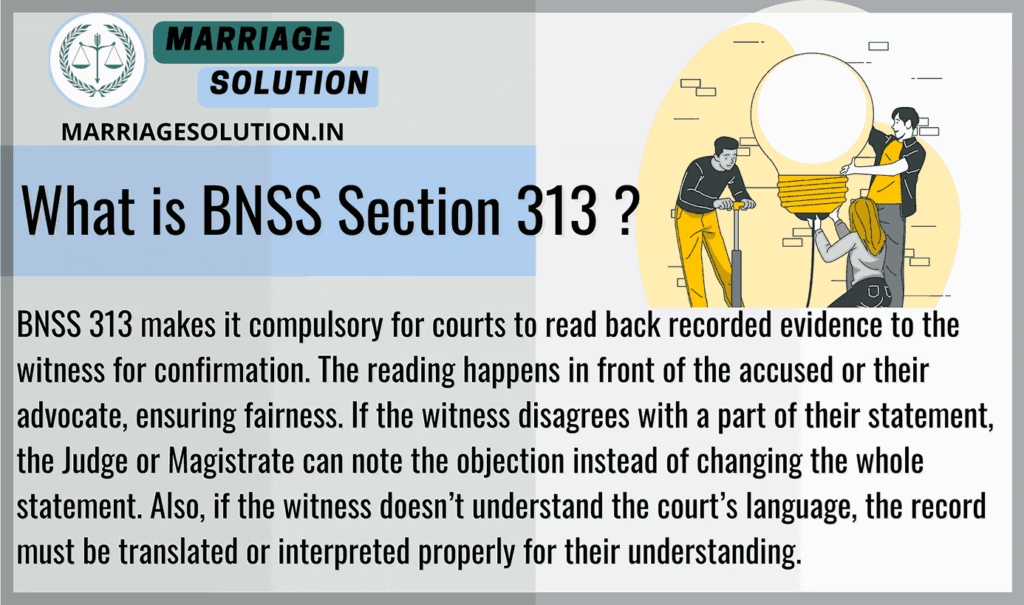
What is BNSS Section 313 ?
BNSS 313 makes it compulsory for courts to read back recorded evidence to the witness for confirmation. The reading happens in front of the accused or their advocate, ensuring fairness. If the witness disagrees with a part of their statement, the Judge or Magistrate can note the objection instead of changing the whole statement. Also, if the witness doesn’t understand the court’s language, the record must be translated or interpreted properly for their understanding.
BNSS Section of 313 in Simple Points
1. Verification of Witness Evidence
BNSS 313 ensures that witness evidence is properly verified before becoming official. Once the recording of the witness statement under BNSS Sections 310 or 311 is complete, the court reads it back to the witness. This process helps the witness to confirm that the statement has been recorded correctly. It also gives a chance to correct any mistakes, making the evidence more accurate, fair, and trustworthy for the trial proceedings.
2. Presence of the Accused or Advocate
One of the most important features of BNSS 313 is that this reading process must happen in the presence of the accused or their advocate. This ensures that the accused has a fair opportunity to listen to the statement and note if any part of the evidence may affect their defense. It provides transparency in the trial and protects the rights of both the witness and the accused during the judicial process.
3. Recording Objections of the Witness
If the witness disagrees with any part of the statement when it is read aloud, the Judge does not need to change everything. Instead, a memorandum (note) is added to the official record, clearly explaining what part was objected to by the witness. The Judge can also write extra remarks if necessary. This keeps the process neat, fair, and clearly documented, showing that the court has carefully handled the evidence.
4. Translation for Better Understanding
If the evidence is recorded in a language that the witness does not understand, BNSS 313 requires that it must be translated or interpreted into a language the witness does understand. This prevents confusion or mistakes during verification. The aim of this rule is to make sure that no witness accidentally confirms something they didn’t say, which is especially important in courts with language diversity like in India.
5. Ensuring Fair Trial Process
BNSS Section 313 plays a key role in maintaining justice and fairness during trials. Without this step, witness statements could easily contain mistakes or be misunderstood. By making the witness confirm the statement in the presence of the accused, courts create a transparent and balanced environment. This protects both the witness’s rights and the rights of the accused, strengthening the public’s trust in the legal system.
313 BNSS Overview
BNSS 313 provides a clear process for verifying witness statements in court. After a witness finishes giving their statement, the court must read the statement back to the witness for verification. If the witness notices any mistake, they can ask for corrections or raise objections. If the witness disagrees with a part of the statement, the Judge can note it separately. This ensures that the final court record is truthful and complete.
10 Key Points of BNSS Section 313
1. Applies After Recording of Evidence
BNSS Section 313 becomes important once the recording of a witness’s evidence is complete. It applies to both warrant-cases (Section 310) and Sessions trials (Section 311). After completing the recording, the statement must be read over to the witness in court. The accused person or their advocate must be present during this reading process. This rule ensures that the witness gets a chance to verify or correct their own words before it becomes official.
2. Ensures Verification of Witness Statements
The main purpose of BNSS 313 is to verify the accuracy of the witness’s recorded statement. By reading it back to the witness, the court makes sure that the witness agrees with what has been written. If any small mistakes or corrections are needed, they can be fixed before it becomes part of the official trial record. This process builds trust in the legal system by making sure that the witness’s words are captured truthfully.
3. Presence of Accused or Advocate
It is very important that this verification process happens in the presence of the accused person, if they are present in court. If the accused is represented by an advocate, then the reading must happen in the presence of that advocate. This allows the accused or their lawyer to be fully aware of what the witness has said, giving them a fair chance to question or challenge the statement during cross-examination. It ensures transparent justice for all parties.
4. Procedure if Witness Denies Any Part
Sometimes, a witness might disagree with some part of their recorded statement during the reading. In that case, the Magistrate or Judge does not need to change the whole statement. Instead, they can make a separate note (memorandum) on the record, clearly stating what part was denied by the witness. The Judge can also add their own remarks if needed. This ensures that both the original statement and the disagreement are properly recorded for fairness.
5. Special Rule for Translation
In cases where the record is written in a language different from the one spoken by the witness, the law gives a clear instruction. BNSS 313 says that the record must be interpreted to the witness in the language in which the witness gave the statement or in a language they understand. This avoids confusion and makes sure that the witness fully understands what is being verified. It helps prevent accidental or intentional mistakes in court records.
6. Protects Witnesses from Misrepresentation
BNSS 313 protects witnesses from having their statements misunderstood or wrongly recorded. The reading process gives them a chance to speak up if they feel their words were not recorded accurately. This also protects the accused because it ensures that false or mistaken statements do not become part of the trial record. The section creates a fair balance between the rights of witnesses and the accused in the courtroom.
7. Helps in Appeals and Reviews
Having a properly verified record of evidence is very useful if the case is challenged in a higher court later. Higher courts like the High Court or Supreme Court often depend on the trial record to check whether the case was handled fairly. BNSS 313 ensures that there are no doubts about what the witness said, making it easier for appellate courts to review the case properly and deliver fair judgments.
8. Prevents Tampering of Evidence
BNSS 313 also works as a protection against tampering or manipulation of evidence. By requiring the Judge or Magistrate to read the statement back to the witness immediately, it prevents anyone from adding, changing, or removing parts later. The presence of the accused or their lawyer adds another layer of fairness to the process. This makes the trial record trustworthy and difficult to question in future court hearings.
9. Builds Trust in Judicial Proceedings
Rules like BNSS 313 are very important to maintain public confidence in the legal system. It assures people that what they say in court is recorded fairly, without changes. This builds trust among witnesses, encouraging them to speak the truth without fear of their words being twisted. It also gives confidence to the accused that the evidence against them is reliable, helping the court deliver justice honestly and fairly.
10. Essential for Transparent Justice System
Finally, BNSS Section 313 is a key part of ensuring that India’s justice system remains transparent and fair. It connects closely with Sections 310 and 311 to form a complete process for handling witness statements. Together, these laws ensure that recording, verification, translation, and signature are all properly managed. BNSS 313 plays a silent but powerful role in making sure that justice is not just done—but seen to be done properly in courts across India.
Example 1:
A witness gives evidence in a Sessions trial. After recording, the Judge reads the statement aloud in court, with the accused’s lawyer present. The witness notices a mistake in one sentence, and the Judge corrects it before finalizing the record.
Example 2:
During a warrant-case, a witness denies one part of their recorded statement. The Magistrate doesn’t change the statement but makes a separate note of the disagreement and adds necessary remarks. This way, both the statement and the objection are officially recorded.
BNSS Section 313 Short Information
| No. | Key Point | Simple Explanation |
|---|---|---|
| 1 | Verification of Statement | The court must read the recorded evidence to the witness to confirm accuracy before it becomes official. |
| 2 | Presence of Accused or Advocate | The verification process must take place in the presence of the accused or their lawyer for fairness. |
| 3 | Noting Any Objections | If the witness denies any part of the statement, the Judge records the objection as a memorandum. |
| 4 | Translation When Needed | If the witness doesn’t understand the court language, the record must be translated for clear understanding. |
| 5 | Ensures Fair Trial | This process prevents errors and protects the rights of both witness and accused, ensuring transparent trials. |
BNSS Section 313 FAQs
BNSS 313
Conclusion
BNSS Section 313 ensures that witness statements are verified clearly and accurately. By reading the statement back to the witness, noting objections, and ensuring the accused or their lawyer is present, this section strengthens fairness and transparency in trials. It prevents misunderstandings, protects witness rights, and safeguards the accused from inaccurate or misrecorded evidence.
Need Legal Support?
If you are dealing with court cases, marriage problems, or any other legal issue, our team at Marriage Solution – Lawyer Help is here for you. Simply fill out our quick online enquiry form, and we’ll connect you with the right legal expert to support your needs .
Finished with BNSS Section 313 ? Continue reading the next sections of the Bharatiya Nagarik Suraksha Sanhita (BNSS), 2023. Each section is explained in easy words, with simple examples, so anyone can understand it clearly.
- Section 314 BNSS : Interpretation of evidence to accused or Advocate.
- Section 315 BNSS : Remarks on Witness Behaviour in Trials .
- Section 316 BNSS : Recording the Statement of the Accused During Examination .
- Section 317 BNSS : Interpreter required to translate evidence faithfully and truly .
Full BNSS Section List: https://marriagesolution.in/bnss_section-list/
Full BNS Section List: https://marriagesolution.in/bharatiya-nyaya-sanhita-section-list/
Full IPC Section List: https://marriagesolution.in/ipc-section-list
All Indian Law & Blogs: https://marriagesolution.in/indian-law/
Need Legal Help? Speak to an Experienced Lawyer Now.

Court Marriage in India: Complete Process, Timeline & Inter-Caste Incentives
More couples in India are choosing court marriage over traditional ceremonies every year — whether for simplicity, personal choice, or the legal recognition it provides without the scale of a full wedding. A court marriage is like a legal love…

Right to Information RTI act :Your Comprehensive Guide (Part 1)
The Right to Information (RTI) Act : Explore the essence of the Right to Information (RTI) Act through this symbolic image. The image features legal documents, emphasizing the importance of transparency and accountability in governance. The scales of justice represent…

What is Article 371 of Indian Constitution ?
Article 371 of the Indian Constitution grants special provisions to specific states and regions within India, addressing their unique historical, social, and cultural circumstances. These provisions aim to accommodate diverse needs and protect cultural identities within the constitutional framework.
Indian Labour law : Your Comprehensive Guide (Part 1)
The purpose of labour laws is to safeguard employees and guarantee equitable treatment at the workplace, encompassing aspects such as remuneration, security, and perks. These regulations establish a secure ambiance by imposing minimum wage requirements, ensuring factory safety measures are…