
Section 273 BNSS : Compensation for False Accusations .
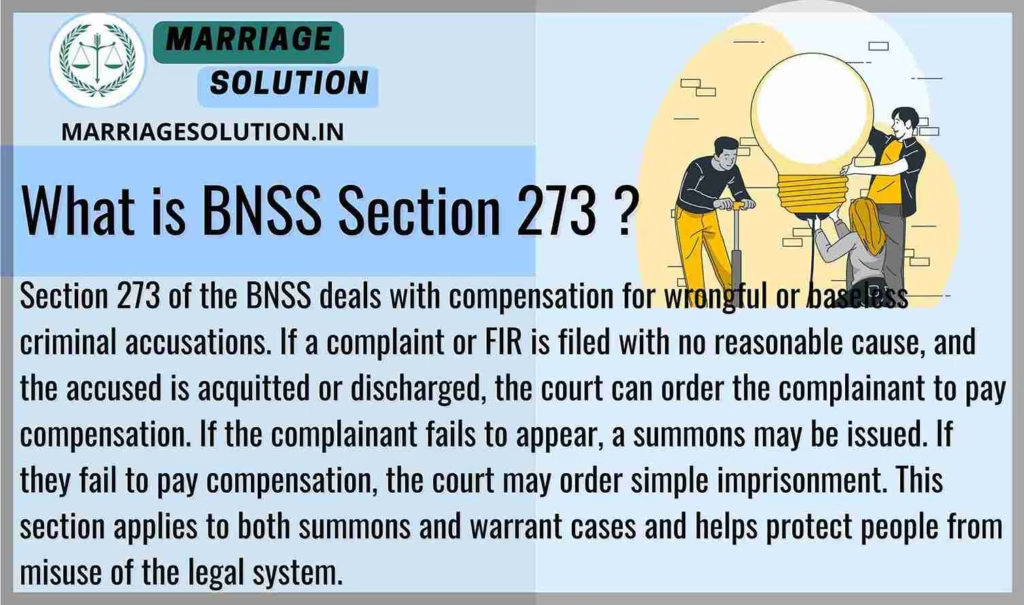
Section 273 BNSS : Provides legal protection to people wrongfully accused of crimes. If the Magistrate finds there was no reasonable ground for the accusation and the person is acquitted or discharged, compensation can be ordered against the complainant. This section helps ensure justice and discourage misuse of the criminal justice system.
Section 272 BNSS : Discharge of Accused When Complainant is Absent .
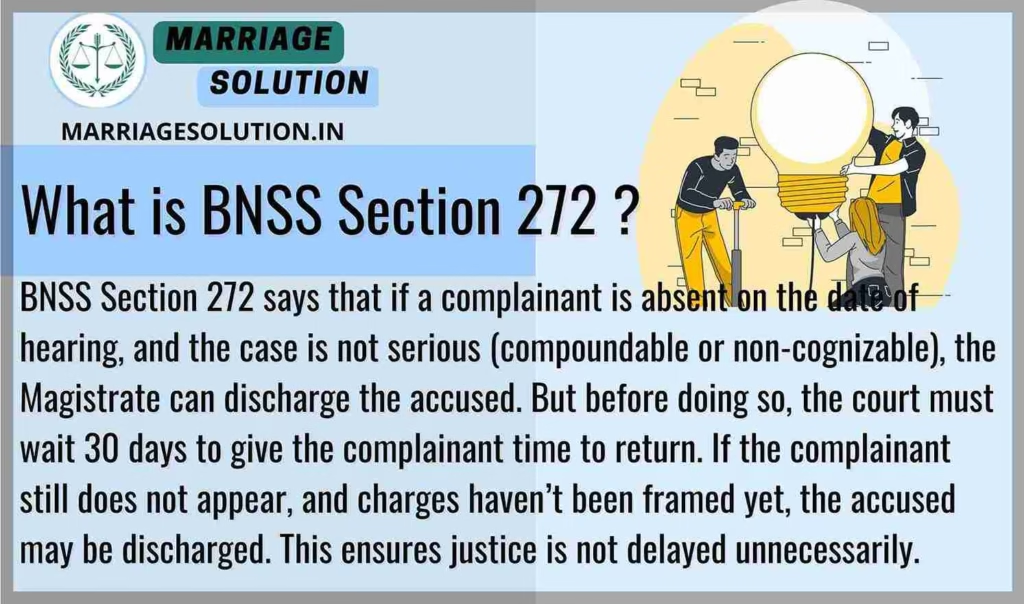
Section 272 BNSS : What happens if a complainant is absent during trial? Learn how the court can discharge the accused under fair conditions with a 30-day notice period.
Section 271 BNSS : Court Acquits or Convicts .

Section 271 BNSS of Bharatiya Nagarik Suraksha Sanhita, showing the process where a Magistrate either acquits or convicts the accused after completing the trial, including rules for sentencing and handling past convictions.
Section 270 BNSS : Evidence for Defence in Criminal Trials .

Section 270 BNSS : Where the accused is allowed to present their defence after the prosecution has finished its case, ensuring fairness and justice in criminal trials.
Section 269 BNSS : Procedure When Accused Is Not Discharged.
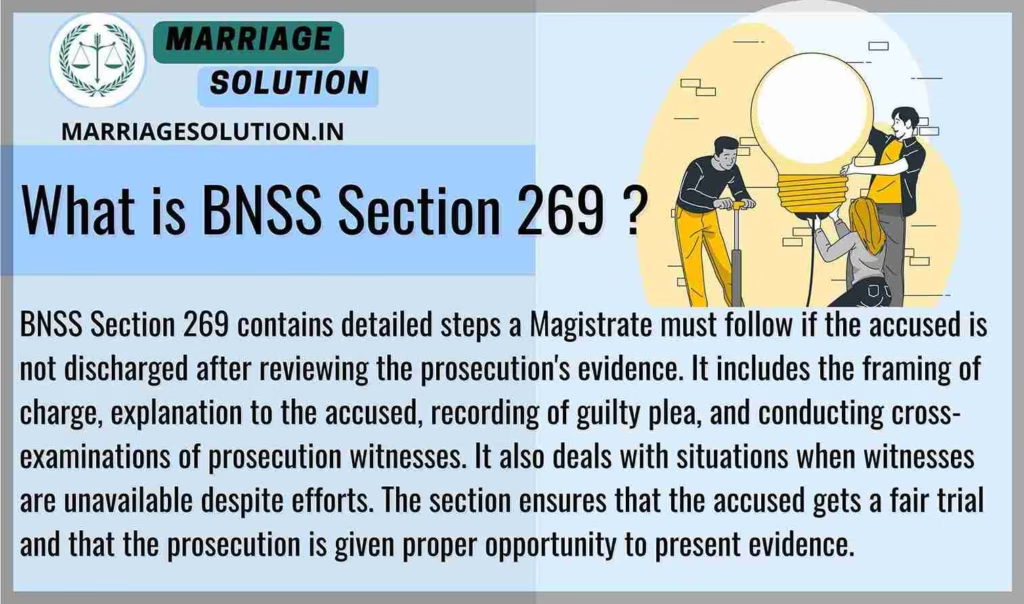
Section 269 BNSS : Which covers the framing of charges, plea by the accused, cross-examination of witnesses, and handling unavailable witnesses in warrant cases not based on police reports.
Section 268 BNSS : Magistrate’s Power to Discharge Accused .

Section 268 BNSS : Magistrate to discharge the accused in warrant cases not based on a police report if no valid case is made out. Includes full explanation, examples, and key points.
Section 267 BNSS :Prosecution Evidence in Complaint Trials .
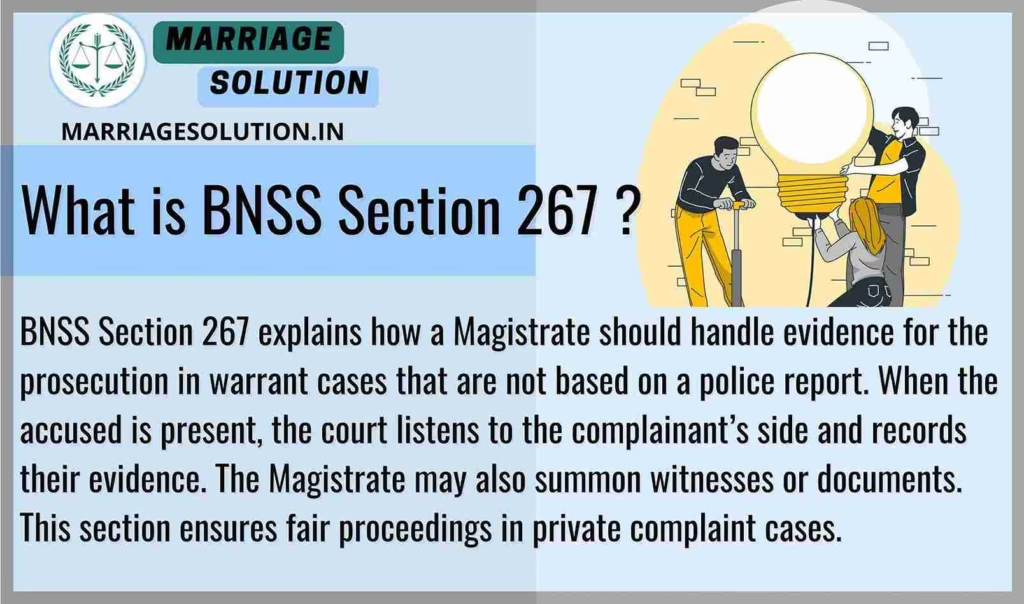
Section 267 BNSS :Magistrates in recording prosecution evidence in non-police report cases. It ensures fair trial procedure by allowing witness summoning and structured hearings.