
Introduction to Section 207 BNSS
Section 207 BNSS empowers a Magistrate of the first class to take initial action (summons, warrant, inquiry) against a person who is within their jurisdiction but is accused of committing a crime outside that jurisdiction — including offences committed outside India — if such offence is triable under Indian law. This section ensures that geographical boundaries do not hinder the criminal justice process.
What is BNSS Section 207 ?
BNSS Section 207 grants power to a Magistrate to issue a summons or warrant against a person who has committed an offence outside the Magistrate’s local jurisdiction, whether in another state or even abroad. It ensures that offenders cannot escape the law simply due to geographic boundaries, as long as the offence is triable under Indian law.

BNSS Section of 207 in Simple Points
1. Jurisdiction Beyond Boundaries
BNSS Section 207 empowers a Magistrate to take action even when an offence has been committed outside his local jurisdiction, whether in another Indian state or even outside India. This is crucial in a modern legal system where crimes—especially cyber and financial—often transcend geographical boundaries. The section ensures that location does not become a shield for the offender. The Magistrate can treat the offence as if it was committed within his area and begin preliminary action. It reflects the flexibility of the Indian legal framework in dealing with offences across jurisdictions. This approach ensures that legal procedures do not get delayed due to jurisdictional technicalities. It also reinforces that justice is not bound by narrow territorial limits.
2. Magistrate’s Power to Compel Appearance
Once the accused is located within the Magistrate’s jurisdiction, the Magistrate can use his legal power to compel the person to appear before the court. This can be done by issuing a summons or warrant as per the procedure under the BNSS. This step is necessary to establish the accused’s presence in the court and begin further legal proceedings. It enables the court to secure custody of the individual without delay. The Magistrate thus acts as a key link in connecting the crime (done elsewhere) to the trial process in India. This provision prevents delays in starting legal proceedings just because the accused is not in the original location of the offence. It also upholds the rule of law by ensuring that no one can evade the system due to location.
3. Sending the Accused to the Right Court
After taking preliminary steps, the Magistrate must send the accused to the correct jurisdiction, i.e., the court which is legally allowed to try the case. This ensures that the trial is held before the proper judicial authority. The transfer process may involve physical custody or bail, depending on the case. It ensures that the entire trial process adheres to lawful procedures and proper location-based jurisdiction. Without this step, there would be confusion over legal control, and the trial could be invalidated. This provision strengthens the procedural integrity of criminal justice. It also helps prevent overlapping or conflicting proceedings across courts.
4. Option for Bail if Crime Is Not Severe
If the offence is not punishable with death or life imprisonment, and the person is ready and willing to furnish bail, the Magistrate can accept a bail bond. This allows the accused to remain out of custody while ensuring their appearance before the appropriate court. The provision offers a balance between safeguarding the accused’s rights and ensuring the justice system operates efficiently. It also avoids unnecessary jail time for less serious offenders while maintaining court control over their actions. Bail decisions are made considering the seriousness of the offence and the individual’s willingness to cooperate. This human-centric provision promotes fairness in the criminal process.
5. High Court’s Role in Case of Confusion
If more than one Magistrate appears to have the jurisdiction and the Magistrate cannot decide which one should handle the case, the matter is referred to the High Court. The High Court, with its supervisory powers, will determine the right court for the trial or inquiry. This ensures that there is no duplication of effort or misuse of jurisdiction by multiple lower courts. It also helps avoid contradictory judgments and delays. The High Court’s clarity helps the case move forward legally and quickly. This mechanism ensures efficiency and accuracy in jurisdictional decisions. It ultimately strengthens the coherence of the criminal justice system.
Section 207 of BNSS Overview
BNSS Section 207 strengthens the legal process by allowing a Magistrate to initiate action against an accused even when the offence occurred outside the local area. It enables the Magistrate to conduct an initial inquiry and transfer the accused to the appropriate jurisdiction. This clause is crucial in handling crimes with inter-state or international elements, including cybercrime and fraud.
BNSS Section 207: 10 Key Points
1. Jurisdictional Flexibility for Magistrates
BNSS Section 207 allows a First-Class Magistrate to act even when an offence has occurred outside their territorial jurisdiction. If the accused is currently within the Magistrate’s local area, action can be initiated from there. This helps law enforcement act swiftly regardless of where the crime happened. It addresses jurisdictional challenges often faced in cross-border crimes. The Magistrate can issue a summons or warrant in such cases. This provision ensures that legal technicalities don’t obstruct justice. It’s particularly helpful in today’s interconnected world where crimes cross state and national borders. It enhances the legal system’s reach and responsiveness.
2. Applicability to Offences Outside India
This section covers not only crimes outside the jurisdiction but also those committed outside India, provided they are triable under Indian law. It recognizes India’s obligation and right to try certain extraterritorial offences. This includes offences like cybercrime, human trafficking, or corruption committed by Indian nationals abroad. The section thus empowers domestic courts to act on such serious international crimes. The person can be summoned or arrested within India for these acts. This also allows the Indian legal system to fulfill its obligations under international treaties or conventions. It significantly strengthens India’s stance on transnational crime.
3. Procedure to Compel Appearance of Accused
If such a person is found within the Magistrate’s local limits, the court can compel the person to appear before it. The methods include issuing summons, warrants, or even arrest depending on the situation. The accused can be required to present himself before the competent Magistrate where the actual offence is triable. This procedural authority ensures that no offence goes untried due to jurisdictional loopholes. It gives flexibility to initiate legal action quickly. This clause balances speedy justice with respect for proper legal forums. It strengthens the power of the law to act decisively.
4. Bail Option for Non-Serious Offences
If the offence committed is not punishable with death or life imprisonment, and the accused is willing to cooperate, the Magistrate can grant bail. The bail ensures appearance before the appropriate court. This clause avoids unnecessary detention of the accused. The decision is made at the Magistrate’s discretion, based on whether the accused is likely to comply. It also saves court time by handling non-serious cases flexibly. Importantly, the system is designed to balance justice with individual liberty. This reinforces fair treatment in the legal process.
5. Ensuring Fair Transfer to Jurisdictional Court
Once the initial inquiry or action is completed, the accused is sent to the court that holds actual jurisdiction over the offence. This respects the principle that trials should occur where the offence is triable. It ensures that the case proceeds where evidence and witnesses are more accessible. The transfer maintains legal structure and hierarchy. The accused’s rights are preserved as they’re presented to the correct judicial forum. This key procedural clarity protects the integrity of the criminal justice system. It also prevents overlapping or contradictory proceedings.
6. Dealing with Multiple Jurisdictional Magistrates
If there is confusion about which court has the jurisdiction, especially when more than one Magistrate could try the offence, the matter is referred to the High Court. The High Court then gives directions. This avoids conflicting decisions between different lower courts. It also ensures proper allocation of cases, avoiding duplication. This safeguard guarantees that the accused is tried in the correct location. It promotes judicial clarity and coherence. High Court supervision adds a layer of judicial control for fairness.
7. Applicable Even When Offence Location is Unclear
There are cases where the exact location of the offence may not be clear initially. BNSS Section 207 allows preliminary inquiry to proceed even if the territorial origin of the crime is uncertain. It’s especially helpful in modern crimes like cyber fraud or financial scams. These often involve multiple locations or digital trails. The law thus accommodates the complexity of modern criminal activity. It ensures no delay in action while jurisdictional clarity is sought. It gives legal machinery the power to adapt.
8. Role of Bond or Bail Bond in Transition
Before transferring the accused to the appropriate court, the Magistrate may take a bond or bail bond. This ensures the accused appears before the correct jurisdictional authority. This step avoids unnecessary arrest if the person cooperates. It also shows the progressive nature of BNSS, which values liberty and compliance. The bond ensures accountability without burdening the person excessively. This makes the legal process less punitive and more practical. It balances procedural efficiency and individual dignity.
9. Focus on Offences Triable Under Indian Law
Section 207 only applies to offences that are legally triable in India, even if committed abroad. So, it only applies where Indian courts have clear legal authority. This includes offences listed in Indian laws or under extradition and mutual legal assistance treaties. It creates a solid foundation for India’s legal sovereignty. It ensures that accused individuals cannot escape justice by committing offences elsewhere. It reflects India’s global legal responsibility. It’s an essential tool in international cooperation against crime.
10. Strengthening National & International Criminal Jurisdiction
Overall, BNSS Section 207 enhances India’s capacity to handle cross-jurisdictional offences, whether within the country or outside. It is critical in today’s world where crime can easily span across cities, states, or borders. It gives local courts power to act swiftly while still respecting jurisdictional structure. It also lays the groundwork for more efficient international legal cooperation. This section bridges local action with global legal responsibility. It is a pillar in ensuring universal access to justice within the Indian framework.
Example 1: Crime Committed in Another State
A person commits a cyber fraud in Mumbai but is later found residing in Lucknow. The Lucknow Magistrate, under Section 207, can issue a warrant and send the accused to Mumbai for trial.
Example 2: Crime Committed Outside India
An Indian citizen commits an online scam while living in Dubai. He returns to India and is located in Delhi. A Delhi Magistrate can proceed under BNSS 207, take him into custody or bail, and send him to the competent court.
Section 207 of BNSS Short Information
| Key Point | Explanation |
|---|---|
| 1. Jurisdiction Beyond Boundaries | BNSS 207 allows a Magistrate to take action against an accused who committed an offence outside their local area, even in another state or country, if it’s triable under Indian law. |
| 2. Power to Issue Summons or Warrant | If the accused is within the Magistrate’s area, they can issue a summons or warrant to ensure the person appears before the court for legal proceedings. |
| 3. Transfer to Proper Court | After initial action, the accused must be sent to the court with the correct jurisdiction to try the case, ensuring legal accuracy and proper procedure. |
| 4. Bail for Less Serious Crimes | If the crime is not punishable with death or life imprisonment, the Magistrate can grant bail to the accused upon providing a valid bail bond. |
| 5. High Court’s Role in Case of Confusion | If multiple Magistrates claim jurisdiction, the High Court will decide which court should proceed, ensuring clarity and avoiding conflicting trials. |
BNSS Section 207 FAQs
BNSS 207
Conclusion
BNSS Section 207 ensures that justice is not limited by geography. It empowers Magistrates to act when an offence occurs outside their local area or even outside India, as long as the case falls under Indian law. This section allows the issuance of warrants, transfer of accused persons to proper courts, and even bail for less serious crimes. It strengthens India’s ability to handle inter-state and international offences, ensuring that criminals cannot escape justice due to jurisdictional barriers.
Need Legal Support?
If you are dealing with court cases, marriage problems, or any other legal issue, our team at Marriage Solution – Lawyer Help is here for you. Simply fill out our quick online enquiry form, and we’ll connect you with the right legal expert to support your needs .
Finished with BNSS Section 207? Continue reading the next sections of the Bharatiya Nagarik Suraksha Sanhita (BNSS), 2023. Each section is explained in easy words, with simple examples, so anyone can understand it clearly.
- Section 208 BNSS : Jurisdiction Over Offences Committed Outside India .
- Section 209 BNSS : Cross-Border Evidence in Indian Trials.
- Section 210 BNSS : When Can Magistrates Take Cognizance of Offences ?
- Section 211 BNSS : Right to Transfer Case Before Trial .
Full BNSS Section List: https://marriagesolution.in/bnss_section-list/
Full BNS Section List: https://marriagesolution.in/bharatiya-nyaya-sanhita-section-list/
Full IPC Section List: https://marriagesolution.in/ipc-section-list
All Indian Law & Blogs: https://marriagesolution.in/indian-law/
Need Legal Help? Speak to an Experienced Lawyer Now.

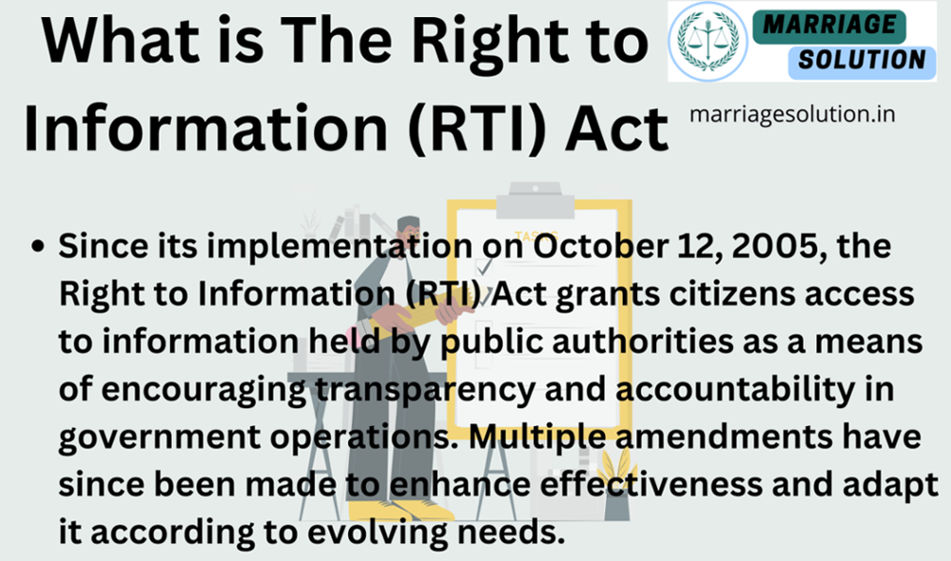
Right to Information RTI act :Your Comprehensive Guide (Part 1)
The Right to Information (RTI) Act : Explore the essence of the Right to Information (RTI) Act through this symbolic image. The image features legal documents, emphasizing the importance of transparency and accountability in governance. The scales of justice represent…

What is Article 371 of Indian Constitution ?
Article 371 of the Indian Constitution grants special provisions to specific states and regions within India, addressing their unique historical, social, and cultural circumstances. These provisions aim to accommodate diverse needs and protect cultural identities within the constitutional framework.

Indian Labour law : Your Comprehensive Guide (Part 1)
The purpose of labour laws is to safeguard employees and guarantee equitable treatment at the workplace, encompassing aspects such as remuneration, security, and perks. These regulations establish a secure ambiance by imposing minimum wage requirements, ensuring factory safety measures are…
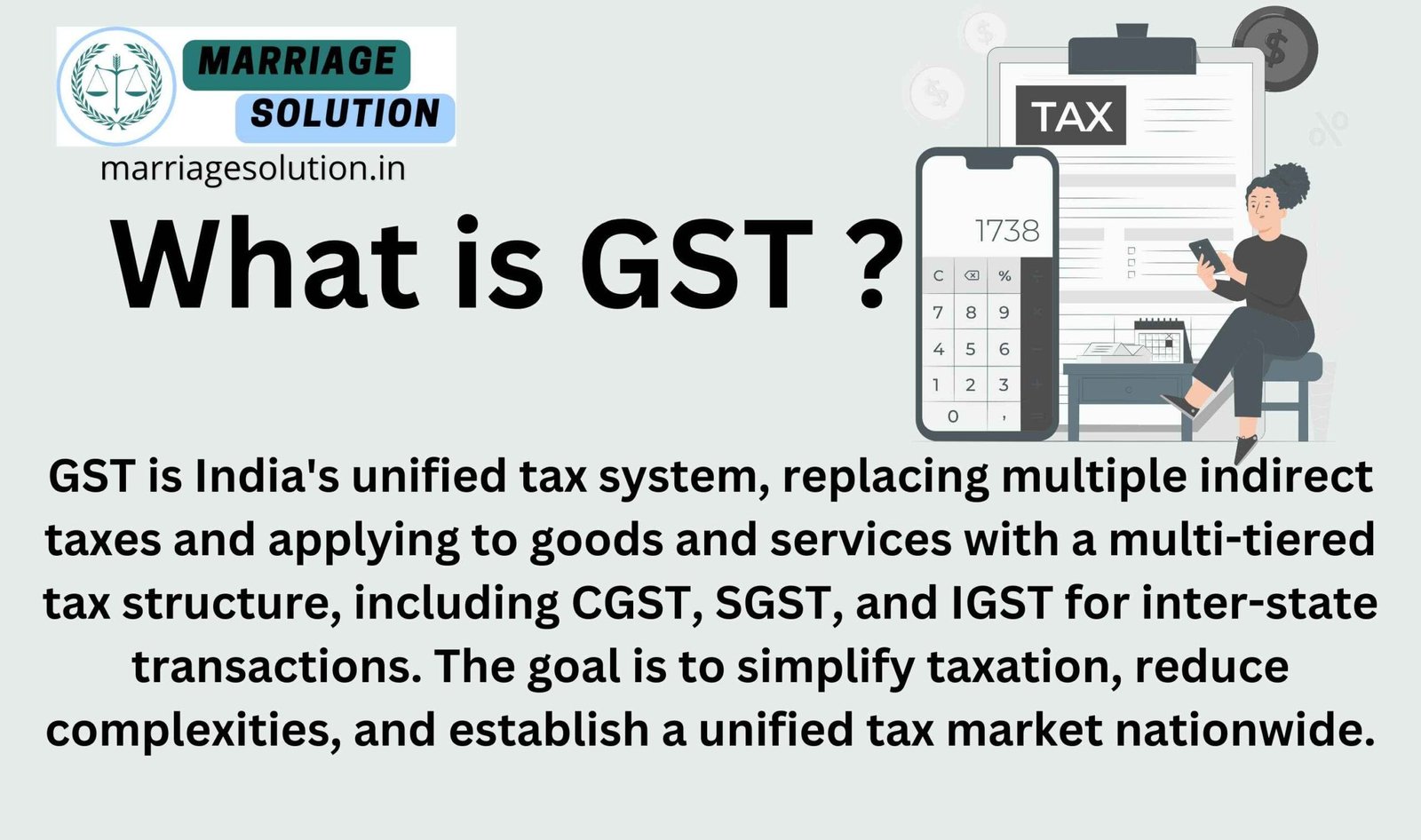
GST :Your Comprehensive Guide (Part 1 – Understanding the Basics)
The Goods and Services Tax (GST) is like a big change in how we pay taxes in India. It started on July 1, 2017, and it’s here to simplify things. Before GST, we had many different taxes, and it could…