
Introduction to Section 278 BNSS
Section 278 BNSS is a part of Chapter XXI, which deals with the trial of summons-cases by Magistrates. This section explains what happens after the Magistrate completes hearing the evidence. It tells whether the accused should be acquitted or convicted. It gives the Magistrate legal powers to either declare the accused innocent or give punishment, depending on the proof presented during the trial. It ensures justice is done based on facts and fair trial.
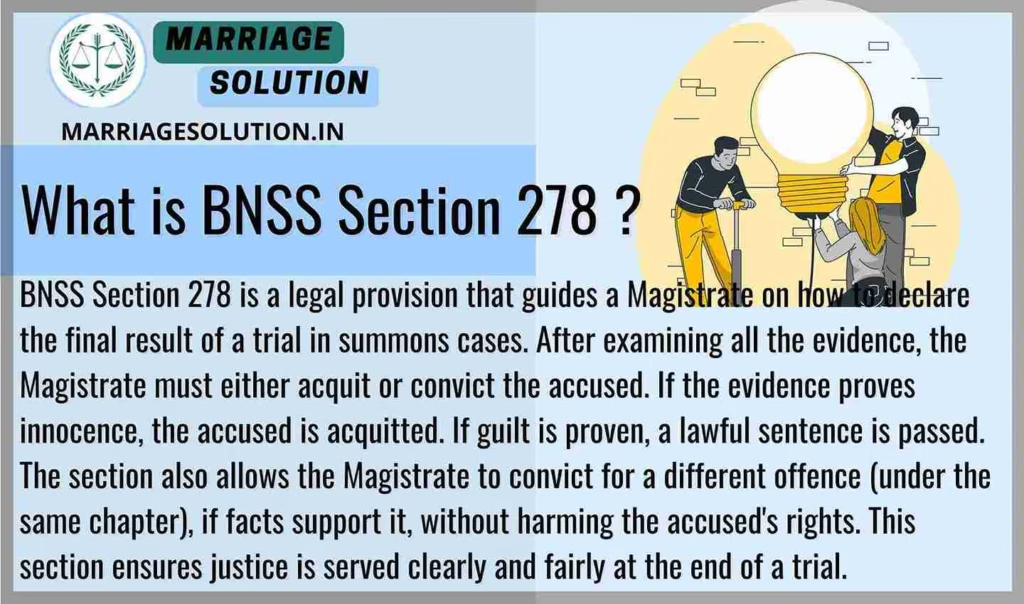
What is BNSS Section 278 ?
BNSS Section 278 is a legal provision that guides a Magistrate on how to declare the final result of a trial in summons cases. After examining all the evidence, the Magistrate must either acquit or convict the accused. If the evidence proves innocence, the accused is acquitted. If guilt is proven, a lawful sentence is passed. The section also allows the Magistrate to convict for a different offence (under the same chapter), if facts support it, without harming the accused’s rights. This section ensures justice is served clearly and fairly at the end of a trial.
BNSS Section of 278 in Simple Points
1. Acquittal If Found Not Guilty
When the Magistrate hears all the evidence under Section 277, he must decide if the accused is guilty or not. If the Magistrate finds the accused not guilty, he must record an order of acquittal. This officially declares that the accused is innocent in the eyes of the law. This decision is made based on lack of proof or valid defence shown by the accused. Acquittal closes the case in favor of the accused, and no further punishment or trial continues. It provides relief to the wrongly accused. It also proves that the legal system works fairly when there is no solid evidence.
2. Conviction If Found Guilty
If the Magistrate, after considering all evidence, finds the accused guilty, he must pass an appropriate sentence under the law. The punishment can be a fine, imprisonment, or any lawful action depending on the offence. This is done only when the Magistrate is fully convinced of the accused’s guilt. However, this happens only when Section 364 or Section 401 do not apply to the case. The sentencing process must be fair and within legal limits. This ensures that the guilty are punished properly under due process. It supports justice and discourages criminal acts in society.
3. Conviction for Different Offence
BNSS 278 also allows the Magistrate to convict the accused of another offence (under the same chapter) if facts suggest so. For example, if someone was charged with ‘theft’, but the evidence shows ‘attempt to theft’, the Magistrate may convict for ‘attempt’. This is possible even if that offence was not mentioned in the original complaint. However, this can only be done when the Magistrate is sure that the accused will not be harmed or prejudiced by the change. This helps save time and avoids repeating the trial process. It keeps the trial flexible but fair.
4. Discretionary Power of the Magistrate
BNSS 278 gives the Magistrate enough discretionary power to decide the case based on the situation. He may acquit, convict for the original charge, or convict for a different offence—based on facts and fairness. This flexibility ensures that justice is not limited only by technicalities of the complaint. However, this power must be used wisely and within legal boundaries. The Magistrate must always ensure that natural justice is not denied to the accused. This makes the criminal justice process balanced and sensible. The trust placed in the Magistrate’s judgment is key to fair trials.
5. Ensures Finality of the Trial
The most important aspect of BNSS Section 278 is that it brings the case to a final conclusion. After listening to both sides, the court must not leave the case hanging. It must clearly state whether the accused is guilty or innocent. This avoids delay, confusion, or prolonged suffering for both the accused and the victim. It also helps reduce case pendency in the courts. People get closure and move on with their lives. Therefore, this section helps in maintaining justice, transparency, and quick resolution in summons cases under the Bharatiya Nyaya Sanhita.
Section 278 of BNSS Overview
BNSS 278 ensures that after all evidence is heard, the Magistrate takes a final decision – either acquittal if the accused is found not guilty, or conviction if guilt is proved. It also allows the Magistrate to convict the accused even for a different offence than originally charged, as long as it is part of the same summons-case and the accused is not unfairly affected. This section helps in completing the trial properly with a clear conclusion.
BNSS Section 278 – Acquittal or Conviction: 10 Key Points
1. Acquittal on Finding Not Guilty
If the Magistrate, after considering all the evidence under Section 277 and any additional evidence he brings on his own, believes the accused is not guilty, then he must clearly record an order of acquittal. This ensures that an innocent person is not wrongly punished. The order becomes an official statement of the accused’s innocence. It safeguards the rights of the accused and maintains the principle that no one should be punished without proof. This is a crucial part of a fair trial process.
2. Conviction When Accused Is Found Guilty
If the Magistrate, after evaluating the evidence, concludes that the accused is guilty, and the case does not move to the higher procedure under Sections 364 or 401, then he must pass a sentence according to the law. This means he will decide the punishment based on the offence proved. This key provision ensures justice is served and guilty persons are held accountable. It strengthens the rule of law by enabling timely sentencing after a proper trial.
3. Conviction Based on Admitted or Proven Facts
Even if the original complaint was for a different offence, the Magistrate may convict the accused for any offence that is proven from the facts, as long as it’s a summons-case offence under this Chapter. This offers flexibility to the court and prevents technical errors in the complaint from helping the guilty escape punishment. However, it must be ensured that the accused is not prejudiced or treated unfairly in this process.
4. Flexibility in the Type of Offence Convicted
The Magistrate is not bound strictly by the type of offence mentioned in the summons or complaint. He can convict for a different offence if it is supported by the facts admitted or proved during trial. For example, if a person is summoned for minor assault but facts show theft, and it’s triable under this chapter, the Magistrate can convict for theft. This helps the court deliver justice effectively, without being limited by technical errors.
5. Power to Examine Further Evidence
The Magistrate also has the power to collect more evidence on his own motion (suo moto), beyond what is brought by prosecution or defence. This power ensures that the truth is not hidden and no wrong judgment is made due to incomplete evidence. It gives the court an active role in finding justice rather than being a silent observer. This is especially useful in cases where one side fails to present the full picture.
6. Connection with Section 277
Section 278 directly follows the process under BNSS Section 277. If no conviction was made under Sections 275 or 276, and a full trial is held under Section 277, then Section 278 deals with what judgment should be passed — either acquittal or conviction. This step-by-step process ensures proper order in the trial and clarity in decision-making. It makes the law more structured and easy to follow.
7. Fair Trial Must Be Ensured
Before convicting for a different offence than the one in the original summons, the Magistrate must be satisfied that the accused is not prejudiced by the change. This means the accused should still get a chance to defend themselves. If fairness is not maintained, the conviction may be challenged later. So, even with flexibility, fairness remains the priority under Section 278.
8. Helps Avoid Delay in Justice
Section 278 allows the Magistrate to pass a judgment (acquittal or conviction) directly after the trial without needing further directions unless special circumstances arise. This helps in faster resolution of cases, especially petty offences and summons-cases. It saves time for the court and for both parties involved, promoting a speedier justice delivery system.
9. Maintains Judicial Accountability
This section ensures that every judgment must be backed by evidence. Whether acquittal or conviction, the Magistrate has to give reasoning based on the material on record. This promotes transparency and prevents arbitrary decisions. It also helps in the appeal process if any party is not satisfied, as the records are clearly maintained.
10. Balanced Approach Between Rights and Justice
BNSS Section 278 balances the rights of the accused with the need to punish the guilty. On one hand, it allows acquittal if there is no solid proof. On the other, it ensures conviction if guilt is clearly established. It gives the Magistrate authority to act fairly, independently, and effectively. This balanced approach upholds the values of justice under Indian law.
Example 1:
Ravi is charged with disturbing peace under a summons case. After a full trial, the Magistrate finds no evidence against him. As per Section 278(1), the Magistrate records an order of acquittal, freeing Ravi.
Example 2:
Priya is summoned for a petty theft, but the trial reveals she also committed mischief (another offence under the same chapter). The Magistrate, using Section 278(3), convicts her for mischief, as she had full opportunity to defend herself and was not unfairly treated.
Section 278 of BNSS Short Information
| No. | Key Point | Simple Explanation |
|---|---|---|
| 1 | Acquittal If Not Guilty | If evidence does not prove guilt, the Magistrate must record an order of acquittal and declare the accused innocent. |
| 2 | Conviction If Guilty | If evidence shows guilt and Sections 364/401 do not apply, the Magistrate must pass a lawful sentence based on the offence. |
| 3 | Conviction for Different Offence | The Magistrate may convict for another offence under the same chapter if facts support it and the accused is not prejudiced. |
| 4 | Magistrate’s Discretion | The Magistrate decides fairly whether to acquit, convict for the charged offence, or convict for a related offence based on facts. |
| 5 | Brings Finality to Trial | Ensures the trial ends with a clear judgment, avoiding delays or confusion for both the accused and complainant. |
BNSS Section 278 FAQs
BNSS 278
Conclusion
BNSS Section 278 ensures that after a full trial in a summons case, the Magistrate gives a clear final judgment. The accused is either acquitted if not guilty or convicted if guilt is proven. The section also allows conviction for a different but related offence if the facts justify it and the accused is not unfairly affected. This provision ensures clarity, fairness, and proper closure at the end of the trial.
Need Legal Support?
If you are dealing with court cases, marriage problems, or any other legal issue, our team at Marriage Solution – Lawyer Help is here for you. Simply fill out our quick online enquiry form, and we’ll connect you with the right legal expert to support your needs .
Finished with BNSS Section 278 ? Continue reading the next sections of the Bharatiya Nagarik Suraksha Sanhita (BNSS), 2023. Each section is explained in easy words, with simple examples, so anyone can understand it clearly.
- Section 279 BNSS : Complainant Missing or Dead? Here’s What Court Does .
- Section 280 BNSS : Complaint Withdrawal Procedure.
- Section 281 BNSS : Power of Magistrate to Stop Trial.
- Section 282 BNSS : Magistrate’s Power Switching Summons to Warrant Cases .
Full BNSS Section List: https://marriagesolution.in/bnss_section-list/
Full BNS Section List: https://marriagesolution.in/bharatiya-nyaya-sanhita-section-list/
Full IPC Section List: https://marriagesolution.in/ipc-section-list
All Indian Law & Blogs: https://marriagesolution.in/indian-law/
Need Legal Help? Speak to an Experienced Lawyer Now.

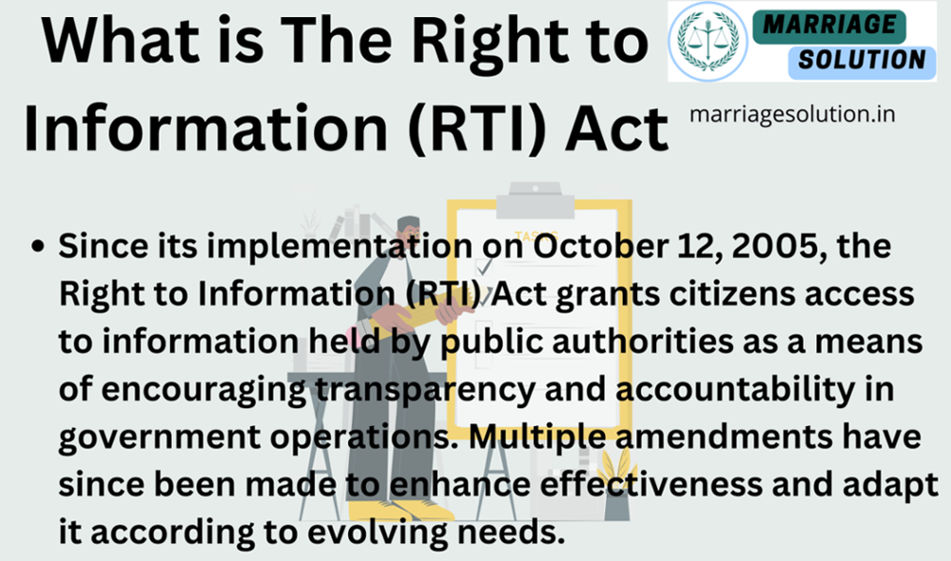
Right to Information RTI act :Your Comprehensive Guide (Part 1)
The Right to Information (RTI) Act : Explore the essence of the Right to Information (RTI) Act through this symbolic image. The image features legal documents, emphasizing the importance of transparency and accountability in governance. The scales of justice represent…

What is Article 371 of Indian Constitution ?
Article 371 of the Indian Constitution grants special provisions to specific states and regions within India, addressing their unique historical, social, and cultural circumstances. These provisions aim to accommodate diverse needs and protect cultural identities within the constitutional framework.
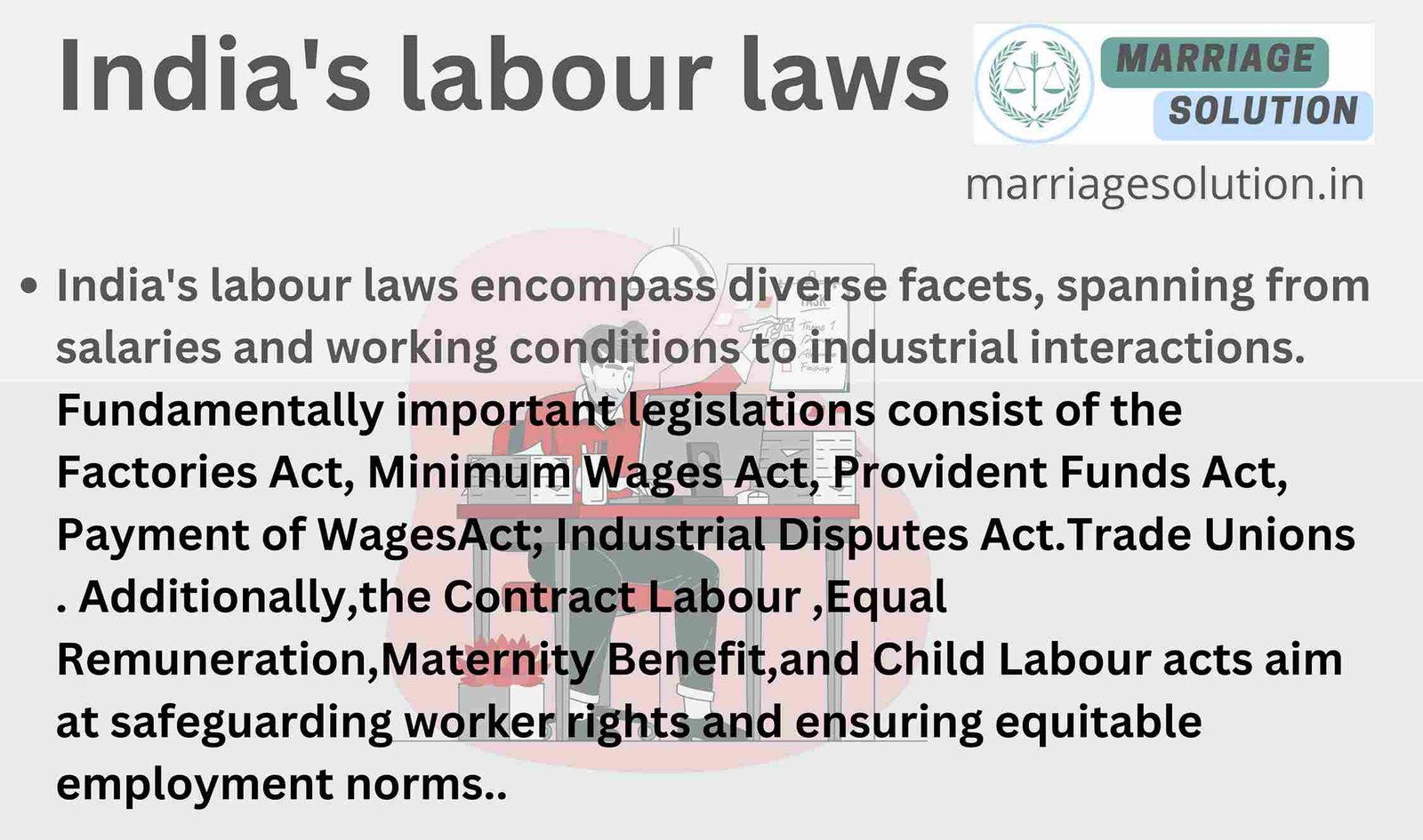
Indian Labour law : Your Comprehensive Guide (Part 1)
The purpose of labour laws is to safeguard employees and guarantee equitable treatment at the workplace, encompassing aspects such as remuneration, security, and perks. These regulations establish a secure ambiance by imposing minimum wage requirements, ensuring factory safety measures are…
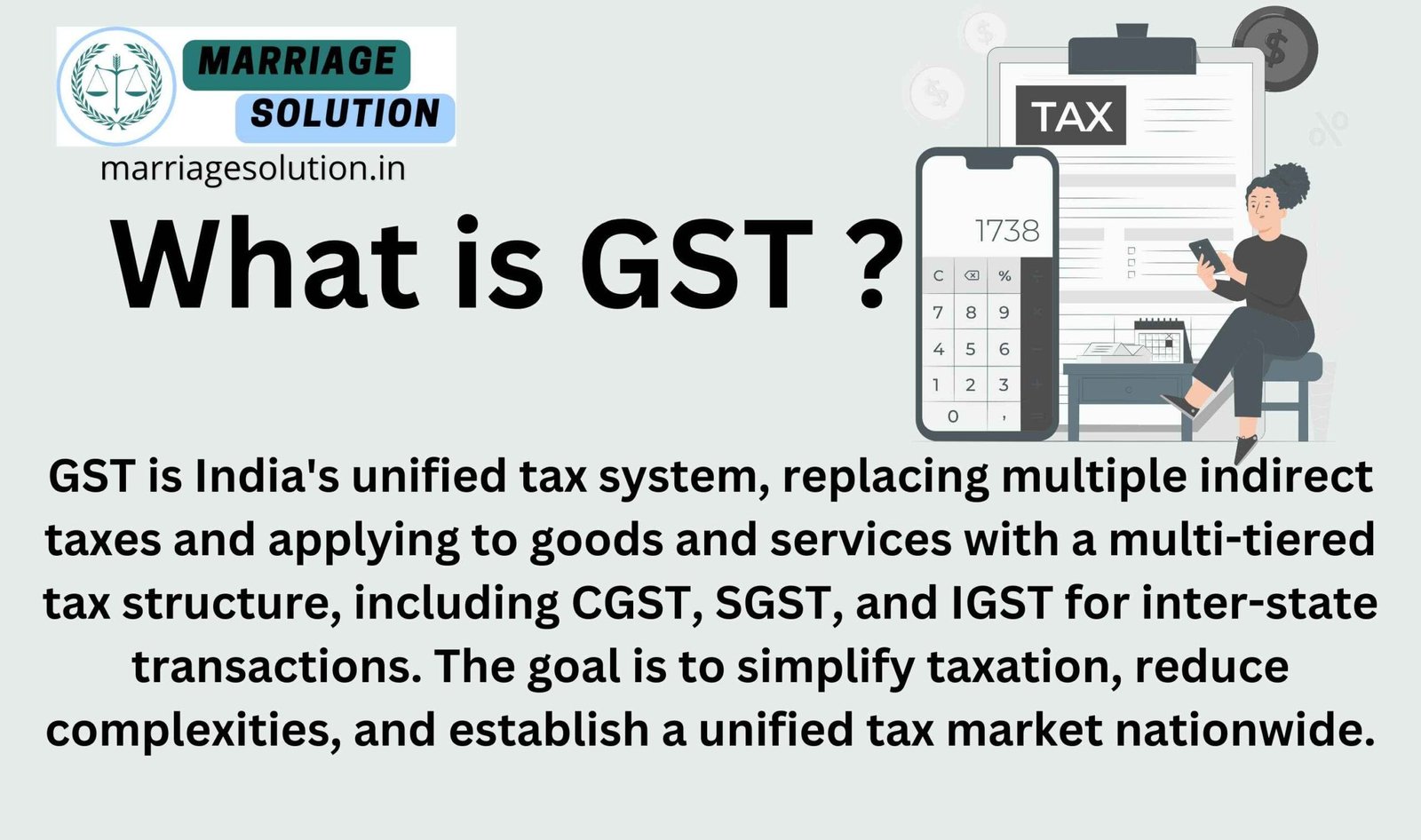
GST :Your Comprehensive Guide (Part 1 – Understanding the Basics)
The Goods and Services Tax (GST) is like a big change in how we pay taxes in India. It started on July 1, 2017, and it’s here to simplify things. Before GST, we had many different taxes, and it could…