Introduction to Section 333 BNSS
BNSS Section 333 talks about who can verify affidavits used in court cases under this law. It explains clearly before whom affidavits can be sworn or affirmed. This ensures that affidavits used in criminal cases are properly verified by authorized people. The aim of this section is to bring clarity, uniformity, and legal authenticity to affidavits used during trials or inquiries in court.
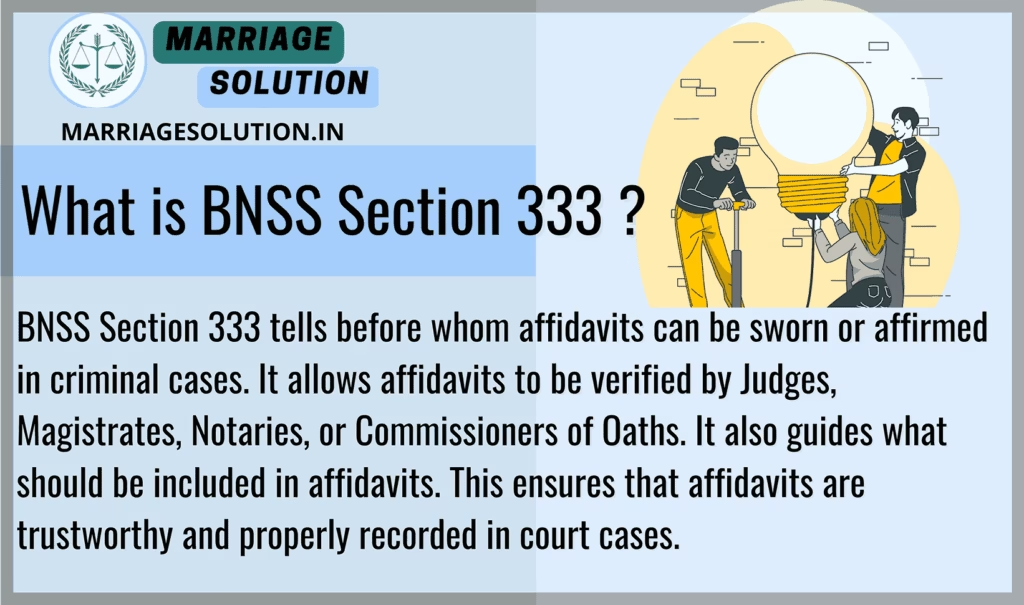
What is BNSS Section 333 ?
BNSS Section 333 tells before whom affidavits can be sworn or affirmed in criminal cases. It allows affidavits to be verified by Judges, Magistrates, Notaries, or Commissioners of Oaths. It also guides what should be included in affidavits. This ensures that affidavits are trustworthy and properly recorded in court cases.
BNSS Section of 333 in Simple Points
1. Authorized Persons for Affidavits
BNSS 333 explains clearly who can verify affidavits used in criminal proceedings. These include Judges, Judicial or Executive Magistrates, Commissioners of Oaths (appointed by High Courts or Sessions Courts), and Notaries registered under the Notaries Act, 1952. This makes sure that affidavits are sworn before proper legal authorities. It avoids confusion and brings uniformity in the process of accepting affidavits in court.
2. What an Affidavit Must Contain
According to BNSS Section 333, an affidavit must state facts that the deponent knows personally or facts that the deponent reasonably believes to be true. If something is based on belief, the deponent must explain why they believe it to be true. This requirement ensures that affidavits are not just opinions, but backed by personal knowledge or strong reasons.
3. Court’s Power to Modify Affidavits
The section gives courts the power to remove or amend scandalous, irrelevant, or false content from any affidavit. If someone includes baseless allegations or unnecessary details, the court can order that part to be struck out. This keeps the record clean and focused on relevant facts, ensuring fair trials.
4. Helps Maintain Legal Formality in Courts
BNSS 333 makes sure that the affidavit process follows proper legal formality. Without this rule, affidavits could be randomly made, causing confusion or misuse. By specifying who can take affidavits and how they should be structured, the section protects the integrity of the court’s work and strengthens the legal process.
5. Avoids Unnecessary Court Delays
With clear rules under BNSS 333, affidavits can be properly verified outside the courtroom, saving court time. Courts do not have to call people to verify simple facts repeatedly if affidavits are properly signed before authorized officers. This makes criminal trials faster, more efficient, and legally sound.
333 BNSS Overview
BNSS Section 333 is part of the Bharatiya Nagarik Suraksha Sanhita, 2023, which is India’s new criminal procedure code. This section ensures that affidavits used in court proceedings are verified by authorized legal officers, such as Judges, Magistrates, Notaries, or Commissioners of Oaths. It also tells how affidavits should be written and gives courts the power to remove unnecessary or false statements. This keeps court records clean, true, and reliable.
Authorities Before Whom Affidavits May Be Sworn : 10 Key Points of BNSS Section 333
1. What BNSS Section 333 Covers
BNSS Section 333 explains who has the authority to witness or verify an affidavit used in criminal cases. It ensures that only recognized authorities can attest affidavits, making them legally valid. This provision avoids confusion about the authenticity of affidavits in court. It covers both the verification process and the format of the affidavit. By defining the authorities, this section maintains trust and standard practice in courts. It applies to all affidavits under the Bharatiya Nagarik Suraksha Sanhita, 2023. This helps in organized and uniform handling of affidavits.
2. Authorities Allowed to Attest Affidavits
The law clearly mentions three categories of persons who can verify affidavits under BNSS 333. First, any Judge or Judicial or Executive Magistrate can verify affidavits. Second, Commissioners of Oaths appointed by the High Court or Court of Session can also do this job. Lastly, any Notary appointed under the Notaries Act, 1952 can perform this duty. This provides flexibility for applicants in different regions. Whether in a small town or a metro city, people can access these officials. This ensures convenience for the public.
3. Structure and Content of Affidavits
BNSS 333 also guides what an affidavit should contain. It says that affidavits should include only those facts that the person (deponent) knows from personal knowledge. If any fact is based on belief, the person must clearly state the reason for believing it. This prevents unnecessary or false claims in affidavits. Every important fact should be mentioned separately for clarity. It helps the Court easily check what is true, what is believed, and why. This keeps the affidavit clear, transparent, and reliable for legal use.
4. Control Over False or Irrelevant Statements
One major benefit of BNSS Section 333 is that it gives courts the power to remove irrelevant or scandalous material from affidavits. If someone tries to misuse an affidavit by adding wrong or unnecessary statements, the Court can order that part to be struck out. This helps in maintaining professional conduct in legal documents. It ensures that affidavits focus only on important facts relevant to the case. The courts can even ask the applicant to amend the affidavit if needed. This protects the court process from abuse.
5. Importance of Authority Verification
By stating who can attest affidavits, BNSS Section 333 helps avoid fraud or confusion. Earlier, people might get affidavits attested by random persons, leading to disputes about whether the document was genuine. Now, with this law, affidavits are signed only by recognized legal officers. This builds public trust in affidavits submitted in criminal cases. Courts can now easily rely on such documents because of their verified nature. It protects the integrity of court records and the justice delivery process.
6. Uniform Legal Procedure for the Whole Country
BNSS Section 333 brings uniformity in affidavit verification across India. No matter in which state or district the affidavit is made, the authority who attests it will be legally valid nationwide. This avoids regional differences or confusion in different states. People can go to recognized officials anywhere in India for attestation. This helps in making the legal system more efficient and predictable. It removes hurdles for people involved in court cases in other states or regions.
7. Helps in Speedy Court Proceedings
When affidavits are properly verified by recognized authorities, courts can process cases faster. Judges don’t have to waste time checking whether the affidavit is genuine or who signed it. Everything is clearly mentioned and checked beforehand. Also, false or irrelevant statements can be removed early with the court’s help. By saving time in verification, courts can spend more time on the real issues of the case. Thus, BNSS 333 supports India’s goal of making justice delivery faster.
8. Clear Responsibility on the Deponent
BNSS Section 333 puts clear responsibility on the person making the affidavit. They cannot blindly state things without proof or belief. If they do, the Court can question or reject that part. This encourages people to be truthful and careful while filing affidavits. It helps keep the court records clean, true, and honest. The rule discourages careless or false affidavits because the person has to stand by what they write. This builds respect for the legal system.
9. Prevention of Fraud in Affidavits
Fraudulent affidavits are a big issue in many court cases. BNSS 333 reduces this problem by strictly defining who can authorize an affidavit. It ensures that affidavits presented in court are verified by trained, official persons, not by random individuals. This makes it harder for people to create fake or forged affidavits in criminal matters. The authority of Judges, Magistrates, Commissioners of Oaths, and Notaries gives affidavits a legal shield of authenticity.
10. Ensures Fairness to Both Parties
Lastly, BNSS 333 ensures that both the prosecution and the defence get equal opportunities to present affidavits in their favour. The court ensures that any false or unnecessary parts can be removed. Whether for the accused or the victim, affidavits provide a quick, written way to bring facts before the court. This promotes fairness, transparency, and equal opportunity in criminal cases. It helps both sides prepare better for the case and saves time for everyone.
Example 1:
Ravi files an affidavit during a theft case against a government official. He swears it before a Judicial Magistrate, following BNSS 333 rules. The affidavit is admitted in court because it was verified by an authorized officer.
Example 2:
Meena submits an affidavit in a fraud case but adds unnecessary personal allegations against the accused. The court, using BNSS 333, orders those scandalous parts to be removed before admitting the affidavit.
BNSS Section 333 Short Information
| Point | Details |
|---|---|
| Section Name | BNSS Section 333 |
| Who Can Verify Affidavits | Affidavits may be sworn before Judges, Magistrates, Commissioners of Oaths, or Notaries. |
| Content of Affidavit | Only facts known personally or believed with clear reasons may be written. |
| Court Power | Court may remove false or irrelevant statements and ask for corrections. |
| Purpose | Ensures affidavits used in criminal cases are truthful, verified, and reliable. |
Why Needed BNSS 333?
BNSS 333 is necessary to maintain order and discipline in court proceedings. Without such clear rules, people could submit affidavits that are false, baseless, or made before unauthorized persons. This would waste court time and delay justice. BNSS 333 protects the trustworthiness of documents used as evidence by requiring them to be verified by legally approved officers. It also allows the court to remove any irrelevant parts, keeping only the useful and necessary information. Overall, it helps the courts work efficiently, fairly, and honestly.
BNSS Section 333 FAQs
BNSS 333
Conclusion
BNSS Section 333 makes affidavits trustworthy by allowing only recognized authorities to verify them and by limiting their content to clear, truthful facts. Courts can remove false or irrelevant parts, protecting both sides and keeping the record clean. This improves transparency and strengthens the fairness of criminal proceedings.
Need Legal Support?
If you are dealing with court cases, marriage problems, or any other legal issue, our team at Marriage Solution – Lawyer Help is here for you. Simply fill out our quick online enquiry form, and we’ll connect you with the right legal expert to support your needs .
Finished with BNSS Section 333 ? Continue reading the next sections of the Bharatiya Nagarik Suraksha Sanhita (BNSS), 2023. Each section is explained in easy words, with simple examples, so anyone can understand it clearly.
- Section 334 BNSS : Prove Previous Conviction or Acquittal .
- Section 335 BNSS : Record of Evidence in Absence of Accused .
- Section 336 BNSS : Evidence of public servants, experts, police officers in certain cases .
- Section 337 BNSS : Once a person is convicted or acquitted of a crime, they cannot face another trial for that same offence.
Full BNSS Section List: https://marriagesolution.in/bnss_section-list/
Full BNS Section List: https://marriagesolution.in/bharatiya-nyaya-sanhita-section-list/
Full IPC Section List: https://marriagesolution.in/ipc-section-list
All Indian Law & Blogs: https://marriagesolution.in/indian-law/
Need Legal Help? Speak to an Experienced Lawyer Now.

Right to Information RTI act :Your Comprehensive Guide (Part 1)
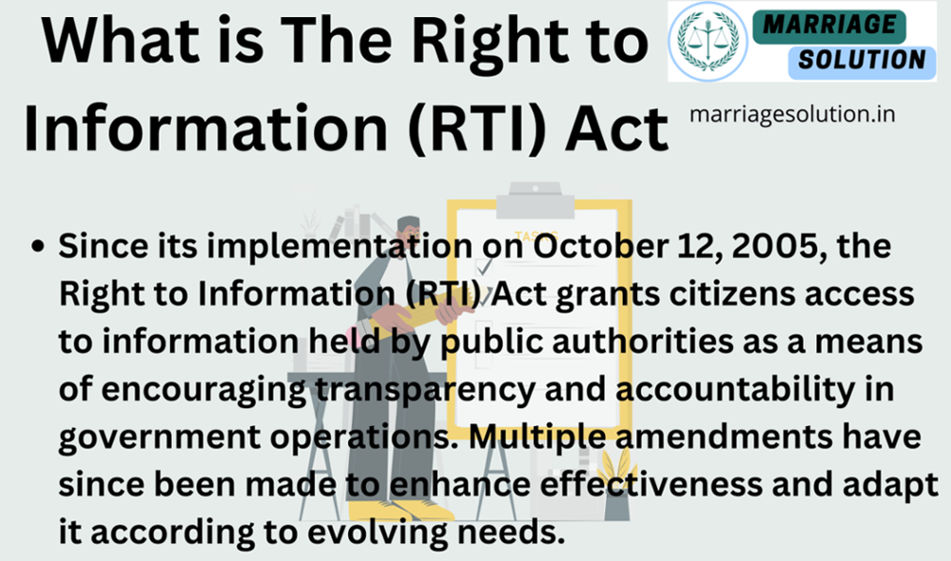
The Right to Information (RTI) Act : Explore the essence of the Right to Information (RTI) Act through this symbolic image. The image features legal documents, emphasizing the importance of transparency and accountability in governance. The scales of justice represent…

What is Article 371 of Indian Constitution ?
Article 371 of the Indian Constitution grants special provisions to specific states and regions within India, addressing their unique historical, social, and cultural circumstances. These provisions aim to accommodate diverse needs and protect cultural identities within the constitutional framework.
Indian Labour law : Your Comprehensive Guide (Part 1)
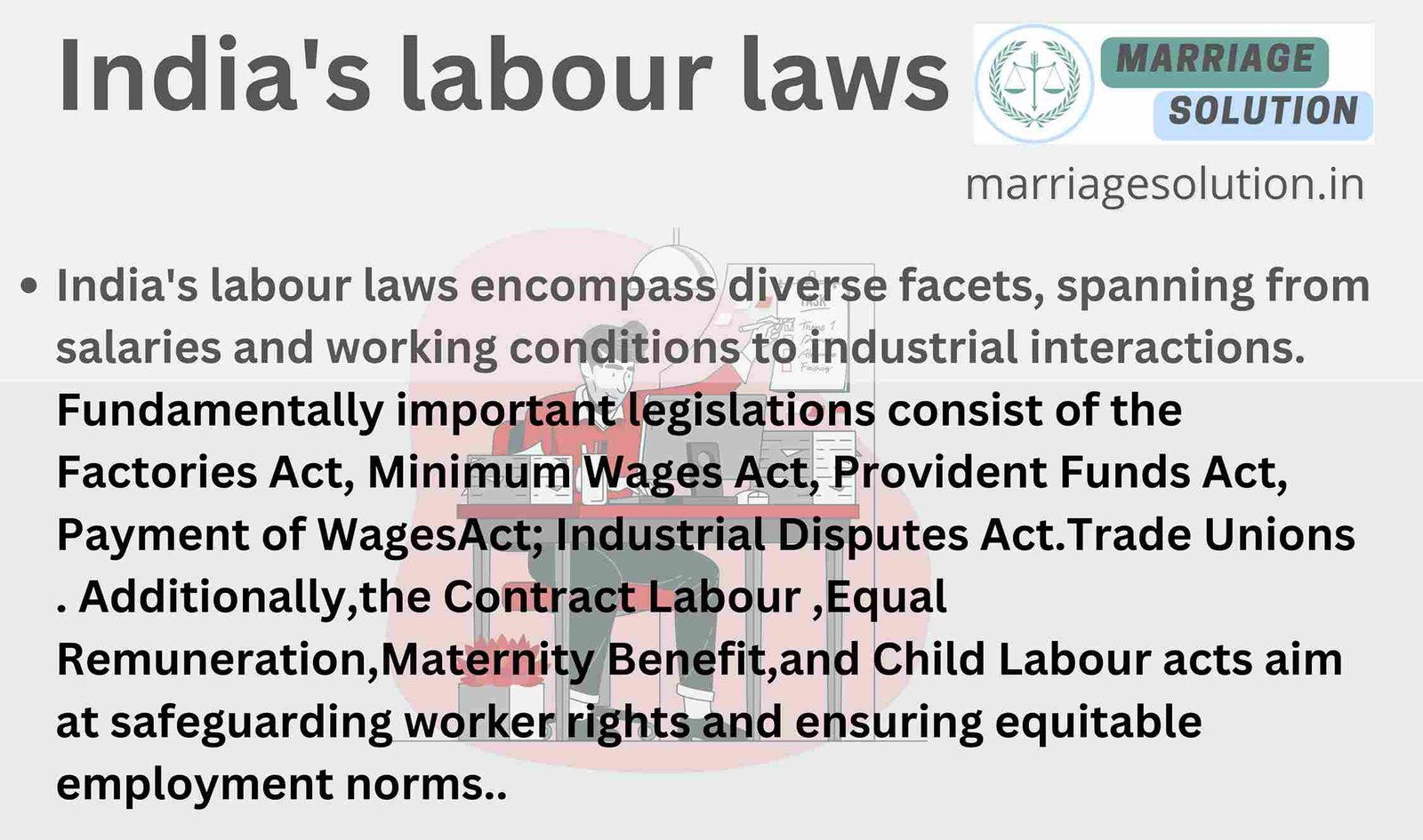
The purpose of labour laws is to safeguard employees and guarantee equitable treatment at the workplace, encompassing aspects such as remuneration, security, and perks. These regulations establish a secure ambiance by imposing minimum wage requirements, ensuring factory safety measures are…
GST :Your Comprehensive Guide (Part 1 – Understanding the Basics)
The Goods and Services Tax (GST) is like a big change in how we pay taxes in India. It started on July 1, 2017, and it’s here to simplify things. Before GST, we had many different taxes, and it could…