
Introduction to Section 339 BNSS
Section 339 BNSS explains the rules about who can conduct the prosecution in a criminal case. It gives the Magistrate the power to allow someone (like a private person or advocate) to represent the prosecution side. However, this must be done under specific conditions and with proper permission. It also sets clear rules for police officers, especially those involved in the investigation, ensuring fairness in the trial process.
What is BNSS Section 339 ?
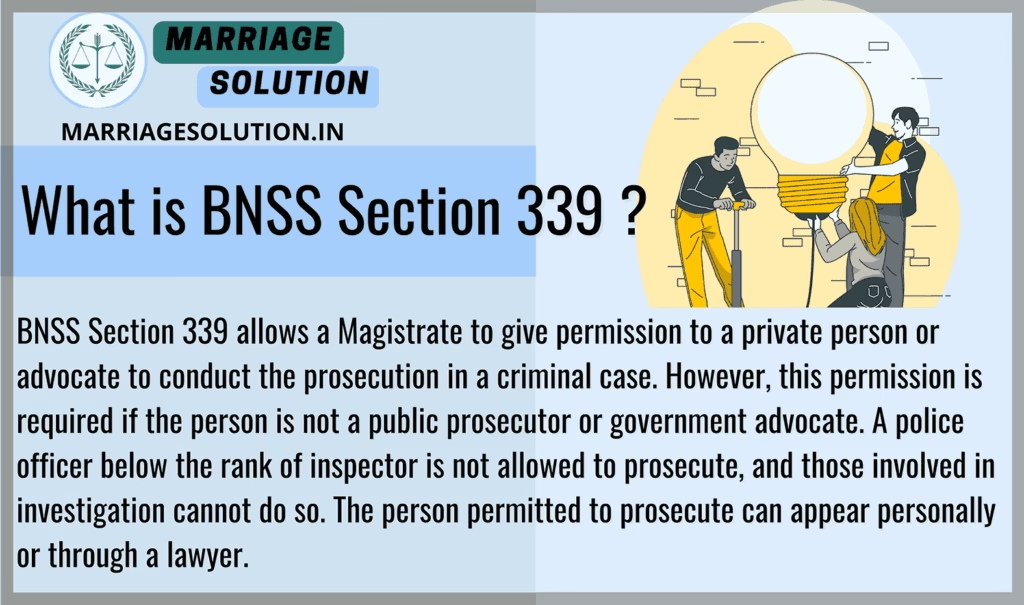
BNSS Section 339 allows a Magistrate to give permission to a private person or advocate to conduct the prosecution in a criminal case. However, this permission is required if the person is not a public prosecutor or government advocate. A police officer below the rank of inspector is not allowed to prosecute, and those involved in investigation cannot do so. The person permitted to prosecute can appear personally or through a lawyer.
BNSS Section of 339 in Simple Points
1. Magistrate Can Permit Private Prosecution
Under BNSS Section 339(1), any Magistrate inquiring into or trying a case may allow a private person to conduct prosecution. This is allowed only if the person seeking permission is not already a government advocate or public prosecutor. This ensures that in special cases, where the State may not fully pursue the case, a victim or interested party can be involved. However, permission is essential to avoid misuse of the process. The court ensures that the person is fit and qualified to prosecute. This brings fairness and transparency into the criminal justice system.
2. Police Officers Below Inspector Rank Restricted
Section 339 clearly restricts police officers below the rank of inspector from conducting the prosecution. This prevents inexperienced or junior officers from handling critical court matters. It ensures that only capable and responsible officers are given the authority to appear in court. The court wants to avoid legal errors or biased prosecution by untrained officials. This clause keeps the standard of justice high and maintains the professionalism of courtroom conduct. Only properly ranked officers may be considered — that too with court permission.
3. Investigating Officers Cannot Be Prosecutors
BNSS 339 also states that any police officer who has taken part in the investigation of the case cannot be allowed to prosecute. This rule is very important to prevent bias or conflict of interest. If an investigating officer prosecutes the same case, they may protect their own work, even if it’s flawed. The section ensures that prosecution remains impartial, independent, and just. It helps the court get a fair presentation of the case without personal bias. This provision strengthens public confidence in fair trials.
4. Person May Appear Personally or by Advocate
According to Section 339(2), a person who is permitted to conduct prosecution can either appear on their own or hire an advocate. This allows flexibility depending on their legal knowledge and comfort. If the person understands law and court procedures, they can argue the case themselves. If not, they can appoint a professional advocate to speak on their behalf. In both cases, court permission remains mandatory. This provision promotes access to justice for victims who want to be more involved in their cases.
5. Maintains Balance Between Public and Private Role
BNSS Section 339 ensures a proper balance between State prosecution and private involvement. It respects the right of victims or complainants to be heard while also maintaining control through the Magistrate’s permission. This avoids personal misuse of prosecution and keeps the process within legal boundaries. It also prevents emotional or revenge-based trials. The court always remains in charge of who can appear and how. This promotes justice that is fair, responsible, and according to the law.
339 BNSS Overview
BNSS 339 is part of the Bharatiya Nagarik Suraksha Sanhita, 2023 and falls under Chapter XXVI, which deals with general provisions for inquiries and trials. This section mainly discusses how the prosecution can be conducted by private individuals or police officers, but only with the court’s permission. It also restricts police officers involved in investigation from acting as prosecutors. This section ensures a balance between victim’s rights and the fair functioning of the legal system.
BNSS Section 339 – Permission to Conduct Prosecution
1. Magistrate Has Power to Grant Prosecution Permission
BNSS Section 339 gives the Magistrate the power to allow someone other than a regular public prosecutor to conduct the prosecution. This applies during both inquiry and trial. The permission must come from the court and is not automatic. This allows flexibility in who can present a case. It is especially helpful in cases where a victim or private party wants to be directly involved. However, court permission is mandatory. This ensures that legal proceedings are monitored, disciplined, and fair under judicial control.
2. Only Certain People Can Prosecute Without Permission
Normally, only the Advocate-General, Government Advocate, Public Prosecutor, or Assistant Public Prosecutor can conduct prosecution without asking for permission. If anyone else wants to do it, including a private lawyer or individual, they must first get the court’s approval. This rule protects the legal system from being misused by people with personal interest or bias. It ensures that only qualified or approved persons take part in prosecuting a criminal case. The court keeps control over who can represent the case.
3. Police Officers Need Permission and Rank Requirement
A police officer below the rank of Inspector is not allowed to prosecute unless the Magistrate permits. This keeps junior officers from taking on responsibilities they’re not trained for. Even for higher-ranked officers, permission is still important. This ensures that prosecution remains a serious, skilled, and lawful activity. The idea is to have experienced or well-trained people presenting cases in court. It prevents legal errors and improves the quality of justice delivery.
4. Investigating Police Officers Cannot Prosecute
BNSS 339 strictly states that a police officer who took part in the investigation of a case cannot be allowed to conduct the prosecution. This rule prevents conflict of interest. If the same officer investigates and then prosecutes, they may act with bias to protect their own investigation. It would compromise the fairness of the trial. This provision ensures that prosecution is impartial and independent. It maintains the integrity and trustworthiness of the legal system.
5. Victim or Private Person Can Conduct Prosecution
If permitted by the Magistrate, a victim, complainant, or any private person may conduct prosecution. This is especially helpful in cases where the State machinery is slow or inactive. However, they must get formal approval from the court. This allows victims to be active participants in their pursuit of justice, especially in personal or sensitive cases like domestic violence or sexual harassment. The court ensures such prosecution stays within legal boundaries and doesn’t turn into personal revenge.
6. Prosecution Can Be Done Personally or Through Advocate
Under BNSS Section 339(2), any person who is permitted to conduct the prosecution can do it either by themselves or through a lawyer. This gives them flexibility. If they are confident, they can argue the case directly. If not, they can appoint a professional advocate to do so. This helps maintain legal accuracy and courtroom discipline. It also ensures that even private prosecution follows proper legal procedure. The court may prefer professional representation in complex matters.
7. Ensures Balance Between State and Private Interest
This section helps strike a balance between State control and private participation. While the State normally leads criminal prosecution, Section 339 makes room for private individuals to take charge when needed. But it does this with clear limits — requiring court permission and excluding investigating officers. It shows the law’s sensitivity towards victims’ rights while maintaining judicial oversight. This balance is essential to keep trials fair and effective without compromising the rule of law.
8. Reduces Misuse of Legal Process
By laying out who can prosecute and who cannot, BNSS 339 reduces the risk of misuse of criminal courts. It prevents people from filing false or emotional cases and then pushing the trial in a biased way. With the court in charge of giving permission, there’s a layer of protection against wrongful prosecutions. It helps ensure that only genuine, legally sound prosecutions move forward. This protects the rights of both the accused and the complainant.
9. Promotes Transparency and Fair Trials
BNSS Section 339 is a strong safeguard for fair trials. It ensures that the prosecution is not handled by someone with a personal motive or hidden agenda. Even when a private person is allowed to prosecute, the judge makes sure the person is suitable and the case is valid. This maintains transparency in court proceedings. The section empowers the court to control the pace and participants of a criminal trial in a way that promotes truth and justice.
10. Strengthens the Justice Delivery System
In total, Section 339 strengthens the criminal justice system by making it more inclusive, controlled, and trustworthy. It allows flexibility for private involvement but only under court supervision. It keeps prosecution away from investigators to avoid bias. It ensures only qualified people — or those with permission — can act as prosecutors. All these safeguards help build a justice system that is both efficient and fair to all sides. This makes Section 339 an important part of BNSS reforms.
Example 1:
A woman files a case of sexual assault. She wants her private lawyer to represent her in court. Under BNSS 339(1), the Magistrate may allow her advocate to conduct the prosecution, as long as proper permission is taken.
Example 2:
A police sub-inspector who helped investigate a theft case tries to represent the State in court. According to BNSS 339, this is not allowed, since he was part of the investigation.
BNSS Section 339 Short Information
| Point | Details |
|---|---|
| Section Name | BNSS Section 339 |
| Main Rule | A Magistrate may permit a private person to conduct the prosecution during inquiry or trial, subject to court approval. |
| Police Officer Restrictions | Police officers below Inspector rank cannot prosecute, and investigating officers of the same case are strictly barred. |
| How the Person May Appear | A permitted private person may conduct the prosecution personally or through an appointed advocate. |
| Purpose | Ensures fair, unbiased prosecution by balancing State control with limited private involvement under judicial supervision. |
Why Is BNSS Section 339 Needed?
BNSS Section 339 is needed to ensure that criminal prosecution is handled fairly and responsibly, especially in sensitive or serious cases. Sometimes, victims may feel the State is not doing enough. This section gives them the right to participate, but under the strict supervision of the court. It also blocks investigating police officers from taking over the role of prosecution, avoiding bias or manipulation. By allowing prosecution through approved individuals or advocates, the section protects the legal process from abuse, keeps trials just, and gives space for private justice under public rules. It strengthens transparency and accountability in India’s justice system.
BNSS Section 339 FAQs
BNSS 339
Conclusion
BNSS Section 339 gives Magistrates controlled authority to allow private prosecution. It prevents misuse by restricting police below Inspector rank and banning investigating officers from prosecuting their own cases. This section maintains fairness, avoids bias, and ensures that private involvement supports justice without overpowering the State’s role.
Need Legal Support?
If you are dealing with court cases, marriage problems, or any other legal issue, our team at Marriage Solution – Lawyer Help is here for you. Simply fill out our quick online enquiry form, and we’ll connect you with the right legal expert to support your needs .
Finished with BNSS Section 339 ? Continue reading the next sections of the Bharatiya Nagarik Suraksha Sanhita (BNSS), 2023. Each section is explained in easy words, with simple examples, so anyone can understand it clearly.
- Section 340 BNSS : Right of an individual facing legal proceedings to have a defence.
- Section 341 BNSS : Government-provided legal aid to accused persons in eligible cases .
- Section 342 BNSS : Procedure for corporation and registered society Accused .
- Section 343 BNSS : Tender of pardon to accomplice .
Full BNSS Section List: https://marriagesolution.in/bnss_section-list/
Full BNS Section List: https://marriagesolution.in/bharatiya-nyaya-sanhita-section-list/
Full IPC Section List: https://marriagesolution.in/ipc-section-list
All Indian Law & Blogs: https://marriagesolution.in/indian-law/
Need Legal Help? Speak to an Experienced Lawyer Now.

Right to Information RTI act :Your Comprehensive Guide (Part 1)
The Right to Information (RTI) Act : Explore the essence of the Right to Information (RTI) Act through this symbolic image. The image features legal documents, emphasizing the importance of transparency and accountability in governance. The scales of justice represent…

What is Article 371 of Indian Constitution ?
Article 371 of the Indian Constitution grants special provisions to specific states and regions within India, addressing their unique historical, social, and cultural circumstances. These provisions aim to accommodate diverse needs and protect cultural identities within the constitutional framework.
Indian Labour law : Your Comprehensive Guide (Part 1)
The purpose of labour laws is to safeguard employees and guarantee equitable treatment at the workplace, encompassing aspects such as remuneration, security, and perks. These regulations establish a secure ambiance by imposing minimum wage requirements, ensuring factory safety measures are…
GST :Your Comprehensive Guide (Part 1 – Understanding the Basics)
The Goods and Services Tax (GST) is like a big change in how we pay taxes in India. It started on July 1, 2017, and it’s here to simplify things. Before GST, we had many different taxes, and it could…