
Introduction to Section 340 BNSS
Section 340 BNSS ensures that every person accused of a criminal offence has the right to be defended by a lawyer of their choice. This right is a basic part of a fair trial and protects the dignity and liberty of the accused. It forms an important link between justice and human rights. No matter what the case is, the accused has full freedom to choose their legal representative.
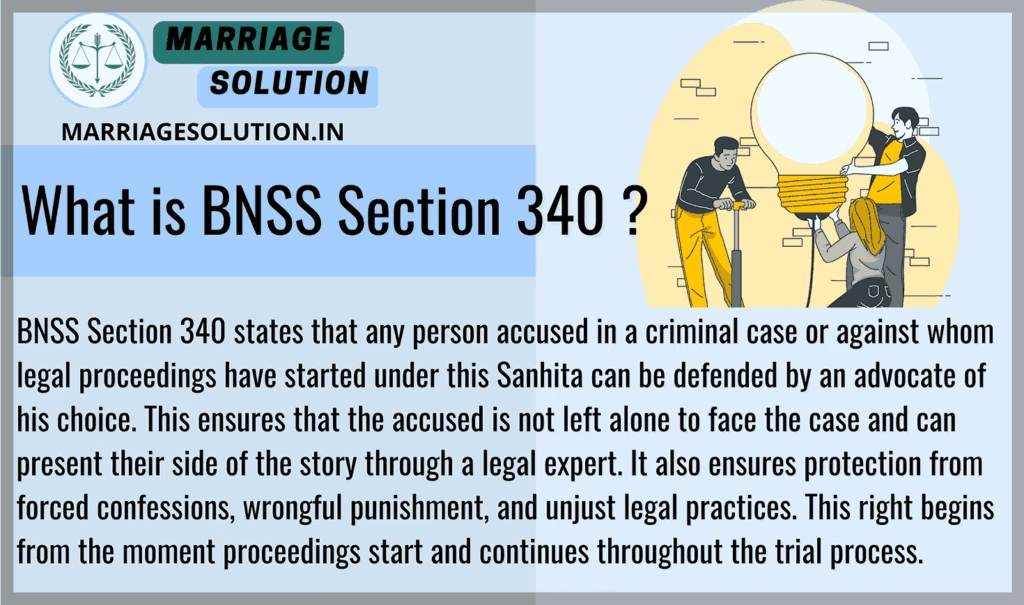
What is BNSS Section 340 ?
BNSS Section 340 states that any person accused in a criminal case or against whom legal proceedings have started under this Sanhita can be defended by an advocate of his choice. This ensures that the accused is not left alone to face the case and can present their side of the story through a legal expert. It also ensures protection from forced confessions, wrongful punishment, and unjust legal practices. This right begins from the moment proceedings start and continues throughout the trial process.
BNSS Section of 340 in Simple Points
1. Right to Be Defended by a Lawyer
BNSS Section 340 guarantees the right of every accused person to be represented by a lawyer of their choice. This applies to anyone who is facing a criminal charge or legal proceeding under the BNSS. It ensures that no one is forced to stand in court without legal knowledge or help. A lawyer knows how to speak legally, cross-question witnesses, and present evidence. This right makes the trial fair, balanced, and just. It protects people from being wrongly punished or misjudged.
2. Freedom to Choose Own Advocate
This section allows the accused to select any lawyer they prefer, giving them full control over their defence. It means the court or police cannot force a government lawyer unless the accused wants one. Choosing a trusted advocate makes the accused feel more confident in court. It also helps ensure that their side is properly explained. This freedom respects the person’s legal independence and dignity. It strengthens the idea of equal rights in courtrooms.
3. Applies from the Start of Proceedings
The right to defence under BNSS 340 begins the moment proceedings are started against the accused. It applies during police inquiry, arrest, bail hearing, and all the way through trial. Early legal help can prevent illegal actions like forced confessions or denial of bail. This section ensures the person is protected from the first stage. It encourages proper legal steps and protects the person from abuse of power by officials.
4. Universal Right for Every Citizen
This right is given to every individual, regardless of age, gender, religion, or social status. Whether rich or poor, everyone can demand this right. It also connects with the Indian Constitution’s Article 22(1), which gives people the right to consult and be defended by a legal practitioner. BNSS Section 340 turns this into a working part of criminal procedure. It ensures that no one is denied justice due to discrimination or lack of privilege.
5. Supports Fair Trial and Justice
The right to legal defence is a basic part of a fair trial system. BNSS 340 ensures that both the prosecution and defence have equal chance to speak. Without a lawyer, an accused person may not know what evidence is needed or how to respond in court. A lawyer helps in building a strong defence, which can prevent wrongful convictions. This section makes trials more truthful, lawful, and respectful to human rights.
340 BNSS Overview
BNSS Section 340 states that any person accused in a criminal case or against whom legal proceedings have started under this Sanhita can be defended by an advocate of his choice. This ensures that the accused is not left alone to face the case and can present their side of the story through a legal expert. It also ensures protection from forced confessions, wrongful punishment, and unjust legal practices. This right begins from the moment proceedings start and continues throughout the trial process.
BNSS Section 340 – Right to Legal Defence: 10 Key Points
1. Legal Right to Defence for Every Accused
BNSS Section 340 gives every person accused of a crime the legal right to be defended in a court of law. This right applies the moment a criminal case is filed or proceedings are started under this law. It protects the individual from being helpless in front of the legal system. It ensures that no one is left to fight alone against the prosecution. The accused can get a fair chance to explain their side. This section guarantees basic justice and fairness. It is a key part of any free and democratic legal system.
2. Right Applies in All Criminal Courts
This right is available in all criminal courts—from Magistrate Courts to Sessions Courts and beyond. No matter how small or big the crime is, the accused has the unquestionable right to hire a lawyer. The court must respect this right at every stage of the legal process. It protects individuals during investigation, trial, or appeal. This is not limited by the type of offence or the seriousness of charges. It ensures uniform access to justice across all levels. The right cannot be denied under any excuse.
3. Advocate of Own Choice is Allowed
Section 340 clearly states that the person has the right to be defended by an advocate of their own choice. This means they are free to select a lawyer they trust. No one can force them to accept a lawyer they don’t want. This freedom builds confidence in the legal system. People often feel more secure when represented by someone they personally chose. It gives them comfort and trust during court proceedings. This clause respects the personal liberty and autonomy of the accused.
4. Protection of Fundamental Rights
This section directly supports Article 22(1) of the Constitution of India, which provides the right to legal counsel. BNSS 340 gives this constitutional protection a specific form within the criminal procedure. It ensures that legal support is not a privilege but a basic right for every accused person. This protects people from wrongful convictions, false charges, or forced confessions. It upholds the principles of natural justice and human dignity. The law respects the principle that one is innocent until proven guilty.
5. Ensures Fair Trial Process
Legal defence is one of the main pillars of a fair trial. BNSS 340 supports this idea by giving every accused the legal help they need. Without proper defence, the trial would be one-sided. This section prevents the misuse of power by prosecution or police. It creates balance in the courtroom, where both sides are heard equally. It strengthens the overall justice delivery system. A fair defence leads to better evidence, logical reasoning, and just outcomes. Justice must not only be done but also seen to be done.
6. No Restrictions Based on Caste, Class or Gender
This right is universal, meaning it applies to everyone equally, no matter their background. Whether rich or poor, man or woman, upper or lower caste, this right is guaranteed. The law does not discriminate when it comes to defence. The person can be a businessperson, worker, student, or homemaker — they still have the right to a lawyer. This keeps the criminal justice system inclusive and fair. Everyone is equal in the eyes of the law when it comes to being heard and defended.
7. Applies Even at the First Stage of Proceedings
The right under BNSS Section 340 starts the moment legal proceedings are instituted. Even before formal charges are framed, if proceedings begin, the accused may appoint a lawyer. This helps them from the very first step — during arrest, bail, or police interrogation. Having a lawyer early in the process reduces the chances of forced confessions or illegal actions by authorities. It acts as a safeguard for the accused person’s rights. Legal help from the beginning increases the chance of a fair and just outcome.
8. State Must Provide Legal Aid if Needed
If the accused cannot afford a lawyer, the State has a duty to provide legal aid. Though not directly written in Section 340, it connects with Article 39A of the Constitution. In India, free legal aid is a part of access to justice. This ensures that even poor or uneducated people get professional help. The courts appoint government lawyers or legal aid counsel for such cases. This way, no one is left alone in the face of criminal prosecution just because of poverty or lack of resources.
9. Prevents Misuse of Law and Police Power
This section acts as a check on the misuse of power by police or authorities. If a person is accused falsely or unfairly, their lawyer can protect their rights. Lawyers can raise objections, apply for bail, and present evidence in favour of the accused. This makes the system more transparent. The accused does not have to blindly follow police commands. BNSS 340 protects people from abuse, corruption, and injustice. It makes legal defence a shield against unfair treatment.
10. Builds Public Trust in the Justice System
By ensuring the right to legal defence, BNSS Section 340 builds people’s trust in the courts and Constitution. When people know they have the right to a lawyer, they feel safer even when facing criminal charges. It makes the legal system appear fair, just, and humane. It shows that even an accused person has dignity and rights under the law. This helps in reducing fear of the courts and promotes lawful behaviour in society. A strong legal defence system is a sign of a strong democracy.
Example 1:
Ravi is accused of theft and summoned to court. He hires a lawyer he trusts to defend him. Under BNSS Section 340, Ravi has the full legal right to appoint any advocate of his choice without interference.
Example 2:
Priya is arrested for a cybercrime case. During the inquiry, she asks for her personal advocate to represent her. The court allows it, as BNSS 340 guarantees her the right to legal defence from her chosen lawyer.
BNSS Section 340 Short Information
| Point | Details |
|---|---|
| Section Name | BNSS Section 340 |
| Main Rule | Every accused has the right to be defended by an advocate of their choice in criminal proceedings. |
| When It Applies | From the start of proceedings—during inquiry, arrest, bail, trial, and appeal—so the accused gets timely legal help. |
| Choice & Legal Aid | The accused can choose any lawyer. If unable to afford one, legal aid may be provided to ensure fair representation. |
| Purpose | To secure a fair trial, protect rights, prevent forced confessions, and ensure equal access to justice for all. |
Why Is BNSS Section 340 Needed?
BNSS Section 340 is necessary because it protects the rights of accused individuals in criminal cases. Without legal help, people may not understand the charges or how to defend themselves. Many innocent people could be punished if they don’t get a fair chance to speak or respond. This section ensures that no matter how small or big the crime is, the accused can fight their case fairly with a lawyer. It also prevents misuse of power by police or courts, and ensures that justice is not one-sided. In a democratic country like India, justice must be equal for all — and that starts with the right to legal defence.
BNSS Section 340 FAQs
BNSS 340
Conclusion
BNSS Section 340 guarantees that an accused person is never left to face the system alone. It lets them pick a lawyer from the very beginning and ensures legal aid where needed. This protection supports fair trials, prevents misuse of power, and upholds constitutional rights and human dignity.
Need Legal Support?
If you are dealing with court cases, marriage problems, or any other legal issue, our team at Marriage Solution – Lawyer Help is here for you. Simply fill out our quick online enquiry form, and we’ll connect you with the right legal expert to support your needs .
Finished with BNSS Section 340 ? Continue reading the next sections of the Bharatiya Nagarik Suraksha Sanhita (BNSS), 2023. Each section is explained in easy words, with simple examples, so anyone can understand it clearly.
- Section 341 BNSS : Government-provided legal aid to accused persons in eligible cases .
- Section 342 BNSS : Procedure for corporation and registered society Accused .
- Section 343 BNSS : Tender of pardon to accomplice .
- Section 344 BNSS : Power to Tender Pardon During Trial .
Full BNSS Section List: https://marriagesolution.in/bnss_section-list/
Full BNS Section List: https://marriagesolution.in/bharatiya-nyaya-sanhita-section-list/
Full IPC Section List: https://marriagesolution.in/ipc-section-list
All Indian Law & Blogs: https://marriagesolution.in/indian-law/
Need Legal Help? Speak to an Experienced Lawyer Now.

Right to Information RTI act :Your Comprehensive Guide (Part 1)
The Right to Information (RTI) Act : Explore the essence of the Right to Information (RTI) Act through this symbolic image. The image features legal documents, emphasizing the importance of transparency and accountability in governance. The scales of justice represent…

What is Article 371 of Indian Constitution ?
Article 371 of the Indian Constitution grants special provisions to specific states and regions within India, addressing their unique historical, social, and cultural circumstances. These provisions aim to accommodate diverse needs and protect cultural identities within the constitutional framework.
Indian Labour law : Your Comprehensive Guide (Part 1)
The purpose of labour laws is to safeguard employees and guarantee equitable treatment at the workplace, encompassing aspects such as remuneration, security, and perks. These regulations establish a secure ambiance by imposing minimum wage requirements, ensuring factory safety measures are…

GST :Your Comprehensive Guide (Part 1 – Understanding the Basics)
The Goods and Services Tax (GST) is like a big change in how we pay taxes in India. It started on July 1, 2017, and it’s here to simplify things. Before GST, we had many different taxes, and it could…