
Introduction to Section 354 BNSS
BNSS Section 354 is a very important safeguard in the Indian criminal justice system. It ensures that no accused person is forced to give information by way of threat, promise, or influence. This section protects the basic right of silence and ensures that any statement made is completely voluntary. It strengthens the fairness and ethical standards of Indian court procedures.
What is BNSS Section 354 ?
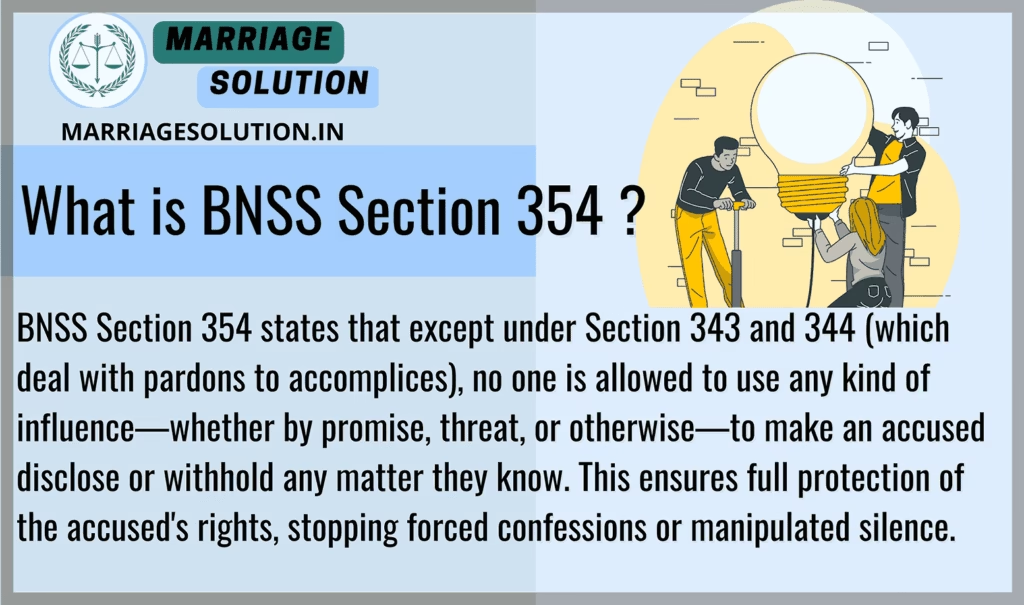
BNSS Section 354 states that except under Section 343 and 344 (which deal with pardons to accomplices), no one is allowed to use any kind of influence—whether by promise, threat, or otherwise—to make an accused disclose or withhold any matter they know. This ensures full protection of the accused’s rights, stopping forced confessions or manipulated silence.
BNSS Section of 354 in Simple Points
1. Protection from External Pressure
BNSS Section 354 makes it clear that no kind of influence—such as threat, promise, fear, or force—can be used to make an accused disclose any matter. This ensures that the accused is not manipulated or mentally pressured into giving a statement. It protects the accused’s free will during interrogation or trial. The law recognizes that only voluntary information has legal value. Any statement made under force is considered invalid. This protection applies regardless of the case type. It helps maintain ethical standards in the legal process.
2. Exception Only Under Section 343 & 344
Section 354 allows influence only in two exceptional cases: when pardon is given under Section 343 or 344. These sections deal with offering pardon to accomplices in exchange for truth. Outside of these two provisions, no form of pressure is allowed. The law tightly restricts when influence can be used, showing how seriously it takes the rights of the accused. This narrow exception keeps the focus on lawful procedure. It helps the court get honest evidence. It stops misuse of influence in regular criminal trials.
3. Applies During Trial and Investigation
This section is not limited to just the courtroom. It applies right from the time an investigation begins. Whether during police interrogation or court hearings, the accused must always be treated fairly. The law ensures that even law enforcement cannot use tricks or fear to get information. This protects both physical and mental integrity of the accused. It builds trust in the justice system. Lawful conduct is expected from all parties, including police and lawyers.
4. Promotes Fair Trial & Natural Justice
BNSS 354 plays a vital role in protecting the principle of “natural justice.” A fair trial means no one is forced to speak or stay silent against their will. This section ensures that all statements used as evidence are truly voluntary. When pressure is used, it often leads to false confessions or hidden truths. Section 354 stops that from happening. It guarantees the accused a chance to speak freely and truthfully. This supports a fair judgment in every criminal case.
5. Supports Human Rights and Constitutional Values
The right to remain silent and the right against self-incrimination are key human rights. BNSS Section 354 directly supports these constitutional values. It gives the accused dignity and legal protection. The law does not allow any authority, even police or court, to go beyond ethical boundaries. This makes Indian criminal law more modern and rights-based. Section 354 is a strong step toward respecting personal liberty. It helps India follow global human rights practices in criminal law.
354 BNSS Overview
BNSS Section 354 stops any police officer, authority, or party from using pressure or false promises to make the accused speak or stay silent. This protection is vital during trials and investigations. It helps protect the mental peace and legal rights of the accused. Only lawful and voluntary statements are accepted as valid evidence. This keeps the trial fair and just.
BNSS Section 354 – 10 Key Points
1. Protects the Free Will of the Accused
BNSS Section 354 ensures that no one can force an accused person to reveal or hide any information. This law safeguards the free will of the accused during legal proceedings. Any attempt to use pressure, threats, or promises is strictly prohibited. The goal is to ensure that statements are made voluntarily, without mental or emotional coercion. If any statement is made under pressure, it may be considered invalid in court. This protection maintains the integrity of legal evidence. It helps prevent wrongful convictions based on forced disclosures.
2. Exceptions Limited to Sections 343 and 344
The only exceptions to this rule are Sections 343 and 344 of the BNSS. These sections allow the court to offer pardon to an accomplice in exchange for truthful testimony. In such cases, the influence comes from a legal process, not illegal coercion. BNSS 354 ensures that outside these specific legal provisions, no one—including police or lawyers—can induce the accused to speak or stay silent. This protects the accused from manipulative tactics. It helps ensure that justice is based on truth, not fear or false promises.
3. Maintains the Principle of Fair Trial
This section is based on the principle that every person has the right to a fair trial. A fair trial includes the right to remain silent and to be free from influence. BNSS Section 354 upholds this basic human right. It prevents the misuse of authority by police or other legal officers who may try to pressure the accused. It ensures that only genuine, voluntary statements are allowed in court. This makes the entire judicial process more reliable and trustworthy. A fair trial builds public trust in the legal system.
4. Protects Against Threats and Promises
BNSS 354 clearly states that no threats, force, intimidation, or promises can be used. Often, accused persons may be in a vulnerable state, and this law shields them from emotional manipulation. Any such act to influence the accused is considered illegal and unethical. Even if a promise of benefit is made, it will be treated as improper. This provision prevents authorities from coaxing or blackmailing people into confessing. Confessions should come only from free and informed will, not fear or hope of reward.
5. Helps Prevent False Confessions
Many times, false confessions are made under police pressure. BNSS Section 354 acts as a legal barrier against such practices. When an accused feels forced to confess, it not only harms the individual but also misleads the entire justice process. This section ensures that evidence is gathered lawfully and ethically. By preventing undue influence, it helps protect innocent people. It also improves the accuracy and fairness of criminal investigations. This reduces the chances of miscarriage of justice.
6. Encourages Ethical Investigation Practices
Section 354 encourages police and investigators to follow the law and use proper methods. Investigators must rely on evidence, witness statements, and facts, not pressure tactics. This shifts the focus to more scientific and fair methods of investigation. It discourages any kind of shortcut or forced statement. This also aligns with the principles of human rights and legal ethics. It creates accountability in the investigation process. Ethical practices lead to better, just outcomes in criminal trials.
7. Applies to All Accused Individuals Equally
This section applies regardless of the crime or the accused person’s background. Whether the offence is serious or minor, the protection from undue influence remains the same. No officer, lawyer, or party has the right to break this rule. It provides equal legal protection to all citizens. It ensures that the criminal justice system treats every individual with dignity and fairness. This universality is a key part of India’s democratic legal framework. The focus is on justice—not pressure.
8. Builds Trust in Legal System
When people know that they won’t be forced or tricked into speaking, it builds confidence in the legal system. BNSS Section 354 reassures people that the courts work fairly. It prevents law enforcement from abusing power. This leads to more accurate investigations and just verdicts. Citizens are more likely to cooperate when they feel protected. This law also shows that the legal system respects human dignity and personal rights. Justice must not only be done—it must also appear to be done.
9. Supports the Right Against Self-Incrimination
BNSS Section 354 supports the constitutional right against self-incrimination under Article 20(3). No one can be forced to be a witness against themselves. This section reinforces that right during every stage of the legal process. It protects the mental and emotional health of the accused. By stopping illegal influence, the law promotes truth through ethical means. It ensures that people don’t speak just out of fear or pressure. This is essential to safeguard civil liberties and justice.
10. Strengthens Overall Rule of Law
Finally, BNSS 354 contributes to the overall rule of law in the country. It restricts any illegal attempt to manipulate the accused and keeps the focus on fairness. In a democracy, the legal system must operate with strict boundaries to prevent abuse. This section is part of those necessary safeguards. It shows India’s commitment to an independent, impartial, and fair judicial process. By following this law, courts ensure that only the truth, obtained lawfully, becomes part of the case record.
Example 1:
A police officer offers an accused a job in exchange for a confession. This is not allowed under BNSS 354. The confession cannot be accepted in court because it was made under the promise of reward.
Example 2:
An accused is threatened by investigators that his family will be harmed if he does not admit guilt. This kind of threat is illegal under BNSS 354. Any statement made under such pressure is not valid.
BNSS Section 354 Short Information
| Point | Details |
|---|---|
| Section Name | BNSS Section 354 |
| Main Protection | No threat, promise, force, or influence can be used to make the accused disclose or hide any information. |
| Exceptions | Only Sections 343 and 344 (pardon cases) allow influence, and only through lawful procedure. |
| Where It Applies | Applies during investigation and trial; protects accused from police, prosecution or any external pressure. |
| Purpose | Ensures statements are voluntary, prevents false confessions, and protects the right against self-incrimination. |
| Human Rights Focus | Upholds dignity, mental freedom, and constitutional rights, ensuring fair and ethical criminal proceedings. |
Why is BNSS 354 Needed?
BNSS Section 354 is needed to protect the legal rights and dignity of the accused. In many criminal cases, the accused may be mentally or emotionally pressured by the police or others to confess or hide something. This can lead to false confessions, wrongful punishments, or injustice. To prevent such abuse and protect the principle of natural justice, Section 354 ensures that all statements made by an accused must be voluntary and free from any promise or threat. It also supports the constitutional right against self-incrimination under Article 20(3) of the Indian Constitution. In short, BNSS 354 is essential for maintaining the fairness and integrity of criminal trials in India.
BNSS Section 354 FAQs
BNSS 354
Conclusion
BNSS Section 354 protects the accused from any form of threat, force, or promise during investigation or trial. Only lawful influence under Sections 343 and 344 is allowed. This section ensures that every statement made by the accused is voluntary, safeguarding the right against self-incrimination and promoting a fair, ethical justice process.
Need Legal Support?
If you are dealing with court cases, marriage problems, or any other legal issue, our team at Marriage Solution – Lawyer Help is here for you. Simply fill out our quick online enquiry form, and we’ll connect you with the right legal expert to support your needs .
Finished with BNSS Section 354 ? Continue reading the next sections of the Bharatiya Nagarik Suraksha Sanhita (BNSS), 2023. Each section is explained in easy words, with simple examples, so anyone can understand it clearly.
- Section 355 BNSS : Provision for conducting inquiry or trial without the accused in specific situations.
- Section 356 BNSS : Legal inquiry, trial or judgment in absence of proclaimed offender .
- Section 357 BNSS : Trial When Accused Doesn’t Understand Proceedings .
- Section 358 BNSS : Trial for Persons Found Guilty During Proceedings .
Full BNSS Section List: https://marriagesolution.in/bnss_section-list/
Full BNS Section List: https://marriagesolution.in/bharatiya-nyaya-sanhita-section-list/
Full IPC Section List: https://marriagesolution.in/ipc-section-list
All Indian Law & Blogs: https://marriagesolution.in/indian-law/
Need Legal Help? Speak to an Experienced Lawyer Now.

Right to Information RTI act :Your Comprehensive Guide (Part 1)
The Right to Information (RTI) Act : Explore the essence of the Right to Information (RTI) Act through this symbolic image. The image features legal documents, emphasizing the importance of transparency and accountability in governance. The scales of justice represent…

What is Article 371 of Indian Constitution ?
Article 371 of the Indian Constitution grants special provisions to specific states and regions within India, addressing their unique historical, social, and cultural circumstances. These provisions aim to accommodate diverse needs and protect cultural identities within the constitutional framework.
Indian Labour law : Your Comprehensive Guide (Part 1)
The purpose of labour laws is to safeguard employees and guarantee equitable treatment at the workplace, encompassing aspects such as remuneration, security, and perks. These regulations establish a secure ambiance by imposing minimum wage requirements, ensuring factory safety measures are…
GST :Your Comprehensive Guide (Part 1 – Understanding the Basics)
The Goods and Services Tax (GST) is like a big change in how we pay taxes in India. It started on July 1, 2017, and it’s here to simplify things. Before GST, we had many different taxes, and it could…