
Introduction to Section 56 of BNSS
Section 56 of BNSS is a legal provision that talks about the basic rights of an arrested person regarding their health and safety. It puts a legal duty on the police or any authority who has custody of the accused to make sure that the person is treated with care and does not suffer any harm while in custody.
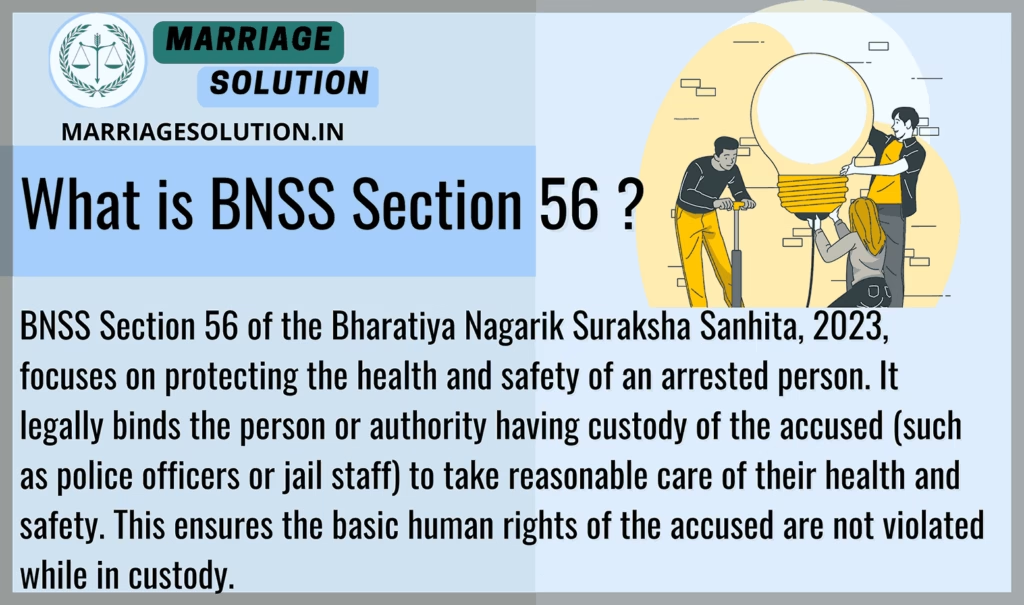
What is BNSS Section 56 ?
BNSS Section 56 of the Bharatiya Nagarik Suraksha Sanhita, 2023, focuses on protecting the health and safety of an arrested person. It legally binds the person or authority having custody of the accused (such as police officers or jail staff) to take reasonable care of their health and safety. This ensures the basic human rights of the accused are not violated while in custody.
BNSS Section of 56 in Simple Points
1. Duty of Care for Accused in Custody
BNSS Section 56 clearly states that it is the duty of the police or any authority who has custody of an accused person to take care of their health and safety. This means that while the person is under arrest, the authorities cannot neglect them or treat them harshly. The accused still has basic human rights, including the right to proper treatment. Even if the person is under suspicion of a crime, they must not be harmed in any way. The aim is to ensure justice without abuse. Basic dignity must be maintained. Any mistreatment can lead to action against the authorities.
2. Medical Help Must Be Provided If Needed
If the arrested person is unwell, injured, or shows signs of needing medical attention, it is the legal responsibility of the custodial officer to provide medical help without delay. Denying or delaying medical treatment can be a violation of the law. The accused should be taken to a doctor or hospital if necessary. This protects the health rights of the accused, just like any other citizen. Police must monitor the person’s physical and mental health condition. Ignoring such needs may cause legal trouble for the police. Taking timely action shows responsibility and professionalism.
3. Clean Environment and Basic Needs
The person in custody must be kept in a clean and hygienic place. Authorities must ensure that the accused gets access to drinking water, food, and a place to rest. This point highlights that arrest does not mean treating someone poorly. Even if a person is accused of a crime, they still deserve basic living conditions. Custodial places should not be harmful or unfit for human health. Regular checks should be done to maintain cleanliness. This helps prevent diseases and protects the overall well-being of the accused. It also reflects good governance.
4. Protection from Physical or Mental Harm
BNSS 56 makes it clear that no person in custody should be harmed, either physically or mentally. This means there should be no torture, abuse, or threats during custody. The accused should feel safe while in detention. They cannot be forced to confess or made to suffer by any illegal means. Every action taken must follow the law and respect human rights. If someone is mistreated, they have the right to complain. Such cases can result in strict punishment for the officers responsible. Respect for life and dignity is central to this law.
5. Accountability of Police and Authorities
The police or authority in charge is not just morally but legally responsible for the accused’s safety. If anything happens to the person while in custody, the officer can be held answerable in court. This ensures that no one in custody is neglected or treated unfairly. The law puts pressure on officers to follow the rules strictly. It also gives assurance to the public that the system values fairness. Records should be maintained about the person’s condition and steps taken to protect them. This increases trust in the legal and justice system.
Section 56 of BNSS Overview
BNSS Section 56 states that the person responsible for keeping an accused in custody must take reasonable care of the health and safety of that individual. This is to ensure basic human rights are not violated during detention.
10 Key Points – BNSS 56
1. Responsibility of Custody Holder
BNSS Section 56 clearly states that it is the legal duty of the person or authority who has the accused in custody to take proper care of their health and safety. This means that police officers or jail staff must treat the arrested person with basic human dignity. Whether the accused is guilty or not, they must be protected and looked after while in custody. They cannot be left without attention or care. This rule applies from the time of arrest until the person is released or produced in court. Failure to fulfill this duty can result in legal consequences. This law ensures that accused persons are not mistreated while in custody.
2. Immediate Medical Attention When Needed
If an accused person is sick, injured, or needs medical help, it is the duty of the custodial officer to arrange immediate medical care. Ignoring health issues may lead to serious problems or even death. Timely treatment not only protects the rights of the accused but also prevents complications for the legal system. This includes giving access to doctors, nurses, and hospitals as needed. Officers must not delay treatment for any reason. The law ensures that medical care is not optional but a necessary responsibility. Proper health care must be provided regardless of the accused’s background or offence.
3. Basic Facilities Must Be Provided
The accused must be provided with clean drinking water, food, and a safe place to sleep. These are basic human rights and must be given to everyone, even if they are under arrest. The place of custody should be clean and hygienic. Lack of food or water can lead to health issues, which may become serious. Denying these needs is considered neglect and can bring action against the officers. No one should be made to suffer unnecessarily. This rule ensures that custody is not turned into punishment before a person is proven guilty in court.
4. Safe and Hygienic Custody Environment
The place where the accused is kept must be free from dirt, disease, or dangerous conditions. Cleanliness and safety are part of the care that must be given by the authorities. If the jail or lockup is overcrowded or unhygienic, it can cause infections or other health risks. This law ensures that an accused person stays in a place where they don’t fall ill due to poor living conditions. Officials must make efforts to maintain proper hygiene. A clean environment is essential for mental and physical well-being. This is not just a guideline, but a serious legal requirement.
5. No Physical or Mental Abuse Allowed
BNSS Section 56 ensures that no accused person should face torture, beating, or mental harassment in custody. Treating someone cruelly or forcing them to confess through violence is strictly prohibited. The law protects every individual from such misuse of power. Police officers are not allowed to use force to get information or punish the accused. This is important for maintaining human rights and justice. Any officer who does this can face punishment under other laws. This section acts as a strong shield against custodial violence and abuse of power.
6. Special Care for Female Accused
If the accused person is a woman, special care and attention must be given to her health and safety. Only female officers or female medical staff should be involved in any personal procedures. Privacy, dignity, and sensitivity must be maintained at all times. Female accused should not be kept with male prisoners and must be protected from any kind of exploitation. This rule is made to ensure that women are not harassed or mistreated in any way during custody. It is the duty of the authorities to take extra steps for their safety.
7. Prevention of Custodial Deaths
One of the main aims of this section is to prevent deaths in police custody due to negligence or mistreatment. If someone dies in custody and it is found that they were not cared for properly, the responsible officers can be punished. Custodial death is a serious issue and can damage the public’s trust in the justice system. This law ensures that life is protected, even behind bars. Every step should be taken to avoid such tragic outcomes. It places full responsibility on the authorities for the well-being of the accused.
8. Mental Health Must Be Taken Seriously
Mental health is just as important as physical health. If the accused shows signs of depression, fear, anxiety, or mental instability, psychiatric help must be provided. Ignoring mental issues can lead to serious consequences, including self-harm. Officers must keep an eye on the behavior of the accused and provide emotional support when needed. Mental health professionals may be called in for support. The aim is to protect not only the body but also the mind of the person in custody. Mental illness must never be treated lightly or ignored.
9. Duty to Report Injuries or Illness
If an accused person is found injured or sick, it must be reported immediately to senior officers and medical authorities. Hiding such facts or delaying reports is considered misconduct. The officer in charge must document everything clearly and take quick action. This promotes transparency and helps in early treatment. It also prevents the spread of rumors or false accusations against the police. The law promotes honesty and responsibility in handling people who are under arrest.
10. Legal Accountability of Officials
If the person in charge fails to fulfill these duties, legal action can be taken against them. They are answerable to the law and can face disciplinary or criminal charges. BNSS Section 56 is not just advice—it is a legal command. Every authority must follow it strictly. This section brings accountability to the justice system and reminds officials that power must be used responsibly. It protects the rights of the accused and builds trust in legal procedures.
Examples of BNSS Section 56:
Example 1:
Rahul is arrested in connection with a theft case. While in custody, he complains of severe chest pain. The officer in charge immediately takes him to a hospital, where he receives timely treatment. This act fulfills the officer’s duty under BNSS Section 56 to ensure Rahul’s health is protected.
Example 2:
Neha, a female accused, is kept in a police station overnight. The station ensures that she is given a clean and separate place to sleep, along with food and water. A female officer is assigned for her supervision. This respectful treatment reflects compliance with BNSS 56.
Section 56 of BNSS Short Information
| Points | Details |
|---|---|
| Section Name | BNSS Section 56 |
| Topic | Protection of Health and Safety During Arrest |
| Purpose | To safeguard the health, dignity, and safety of an arrested person while in police or judicial custody. |
| Duty of Police or Custody Staff | Authorities must ensure proper care, prevent harm, and provide a clean and safe environment for the accused. |
| Medical Assistance | If the accused is ill or injured, medical help must be given immediately without delay or discrimination. |
| Clean Environment | Custody area must be hygienic and provide basic facilities like food, water, and rest. |
| Protection from Abuse | No physical or mental harm, torture, or coercion is permitted during custody or interrogation. |
| Special Care for Women | Female accused must be supervised by female staff and given separate, safe accommodation. |
| Mental Health Support | Officers must observe mental well-being and arrange counseling or psychiatric help if needed. |
| Duty to Report Illness or Injury | Any illness or injury must be recorded and reported to senior officers and medical authorities. |
| Legal Accountability | Failure to protect the health and safety of the accused can result in legal and disciplinary action. |
| Example 1 | Rahul suffers chest pain in custody; officer promptly provides hospital care—lawful conduct under Section 56. |
| Example 2 | Neha, a female accused, is given separate space and food with supervision by a female officer—complies with Section 56. |
| Relevant Law | Bharatiya Nagarik Suraksha Sanhita, 2023 |
BNSS Section 56 FAQs
BNSS 56
Conclusion
BNSS Section 56 stands as a vital human-rights safeguard within the criminal justice framework. It reminds police and custodial authorities that arrest does not erase a person’s dignity. By mandating medical attention, hygienic conditions, and protection from abuse, the section promotes humane treatment and prevents custodial violence. It holds officers legally accountable for neglect, ensuring fairness and transparency in every stage of detention. Ultimately, Section 56 strengthens public trust by aligning law enforcement practices with compassion, care, and constitutional values.
Need Legal Support?
If you are dealing with court cases, marriage problems, or any other legal issue, our team at Marriage Solution – Lawyer Help is here for you. Simply fill out our quick online enquiry form, and we’ll connect you with the right legal expert to support your needs .
Finished with BNSS Section 56 ? Continue reading the next sections of the Bharatiya Nagarik Suraksha Sanhita (BNSS), 2023. Each section is explained in easy words, with simple examples, so anyone can understand it clearly.
- Section 56 of BNSS : Protection of Health and Safety During Arrest .
- Section 57 of BNSS : Arrest Without Warrant and Legal Procedure .
- Section 58 BNSS : Arrested Persons Cannot Be Detained for Over 24 Hours .
- Section 59 of BNSS : Police Reporting Duties for Arrests Without Warrant.
Full BNSS Section List: https://marriagesolution.in/bnss_section-list/
Full BNS Section List: https://marriagesolution.in/bharatiya-nyaya-sanhita-section-list/
Full IPC Section List: https://marriagesolution.in/ipc-section-list
All Indian Law & Blogs: https://marriagesolution.in/indian-law/
Need Legal Help? Speak to an Experienced Lawyer Now.

Right to Information RTI act :Your Comprehensive Guide (Part 1)
The Right to Information (RTI) Act : Explore the essence of the Right to Information (RTI) Act through this symbolic image. The image features legal documents, emphasizing the importance of transparency and accountability in governance. The scales of justice represent…

What is Article 371 of Indian Constitution ?
Article 371 of the Indian Constitution grants special provisions to specific states and regions within India, addressing their unique historical, social, and cultural circumstances. These provisions aim to accommodate diverse needs and protect cultural identities within the constitutional framework.
Indian Labour law : Your Comprehensive Guide (Part 1)
The purpose of labour laws is to safeguard employees and guarantee equitable treatment at the workplace, encompassing aspects such as remuneration, security, and perks. These regulations establish a secure ambiance by imposing minimum wage requirements, ensuring factory safety measures are…

GST :Your Comprehensive Guide (Part 1 – Understanding the Basics)
The Goods and Services Tax (GST) is like a big change in how we pay taxes in India. It started on July 1, 2017, and it’s here to simplify things. Before GST, we had many different taxes, and it could…