
Introduction to Section 73 of BNSS
Section 73 of BNSS deals with the power of the Court to direct security for the release of a person who has been arrested. Under this section, when a warrant of arrest is issued, the Court has the discretion to allow the arrested person to post bail with sufficient sureties, thus permitting their release from custody until their next court appearance.
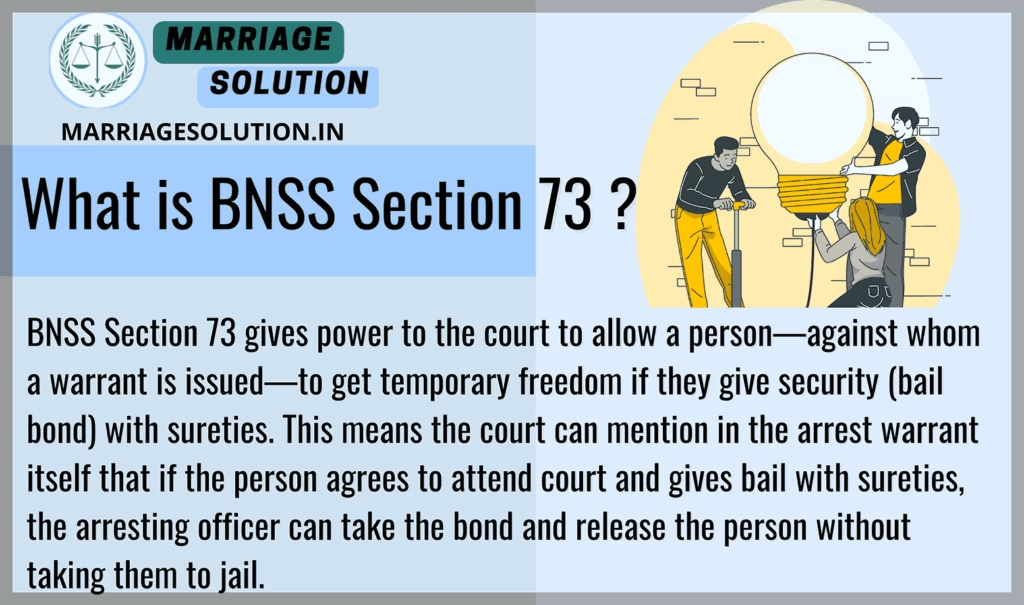
What is BNSS Section 73 ?
BNSS Section 73 gives power to the court to allow a person—against whom a warrant is issued—to get temporary freedom if they give security (bail bond) with sureties. This means the court can mention in the arrest warrant itself that if the person agrees to attend court and gives bail with sureties, the arresting officer can take the bond and release the person without taking them to jail.
BNSS Section of 73 in Simple Points
1. Court Can Allow Bail in the Warrant Itself
This section gives the court the power to add a bail condition directly on the arrest warrant. It means that the judge can write on the warrant that if the person provides a bail bond with sureties, the police can take the bond and let them go. This helps avoid unnecessary jail time and supports faster legal processing.
2. Details Must Be Clearly Mentioned
The court must clearly write in the warrant how many sureties are needed, the amount of money each surety will guarantee, and the bail amount for the person. This ensures there is no confusion or delay when the police execute the warrant. Proper information helps maintain transparency and fairness.
3. Time of Court Appearance Should Be Mentioned
The warrant must also mention when the arrested person should appear in court. This is important because the bail is given with the condition that the person will attend court on that date. Skipping this step could lead to misuse of bail and delay in justice.
4. Police Officer Must Take Bail Bond and Release
Once the person offers the required security, the police officer who has the warrant must accept the bond and release the person. This avoids unnecessary detention and promotes a more efficient legal system where trust is built between the accused and the legal process.
5. Bond Must Be Sent to the Court Immediately
After taking the bail bond, the police officer must send it to the court that issued the warrant. This ensures that the court has a record of the bond and the terms under which the person was released. It also helps the court track if the person follows the conditions or not.
Section 73 of BNSS Overview
BNSS Section 73 says that a court can allow an arrested person to be released on bail directly by the arresting officer if proper security is given. The warrant must mention the number of sureties, the bail amount, and the date of court appearance.
BNSS Section 73 Explained – 10 Key Points
1. Power of the Court to Allow Bail in Warrant
BNSS Section 73 gives the court the power to include a special note (called an “endorsement”) on an arrest warrant. This note allows the arresting police officer to release the person after arrest if the person agrees to give a bail bond with sureties. This means the person does not need to be taken to jail or directly to court if they are eligible and cooperative. The court uses this power to reduce unnecessary arrests and jail time, especially in minor or non-violent cases.
2. Bail Option is Discretionary (Optional)
The court has the option, not the obligation, to add the bail condition in the warrant. This means it is up to the judge’s judgment and the case’s seriousness. In sensitive cases or where the person might run away, the court may choose not to allow bail through the warrant. So, this power is used carefully by the court after evaluating the facts of the case.
3. Clear Mention of Sureties
The court must clearly write in the warrant how many sureties (guarantors) are required to support the bail. Sureties are responsible people who give assurance to the court that the arrested person will follow the law and attend court hearings. This helps in preventing misuse of the bail option, and ensures that the released person is under moral and legal pressure to act responsibly.
4. Amount of Bail Must Be Specified
The exact amount that the arrested person and each surety must promise to pay is also written in the warrant. This amount acts as a financial guarantee. If the person breaks the bail condition or fails to appear in court, this money can be taken (forfeited) by the court. This creates a strong reason for the person to obey the conditions of the bail.
5. Mention of Date and Time to Appear
The court must clearly write in the warrant when and where the arrested person has to appear after getting bail. This condition is very important. If the person does not appear on the given date, the court can issue a new warrant and cancel the bail. This ensures that the legal process does not get delayed and the person follows the instructions.
6. Arresting Officer Can Release After Taking Bail
If the person agrees to all the conditions, the police officer who receives the warrant can take the bail bond and sureties and release the person. There is no need to keep the person in lock-up or take them to court immediately. This saves time and reduces unnecessary pressure on the jail system. It also makes the process more convenient for all parties.
7. Person Must Sign Bail Bond
The person who is arrested and allowed to go on bail must sign a bail bond, promising to follow the conditions. The sureties also sign the bond. This bond becomes a legal document that can be used if the person violates the bail terms. The signature proves the person was aware and agreed to all rules when released.
8. Officer Must Send Bond to Court
Once the police officer takes the bond and sureties, they must immediately send this bond to the court that issued the warrant. This helps the court keep a legal record and ensures that all rules were followed properly. If anything goes wrong later (like the person not attending court), the bond can be checked for evidence and action.
9. Bail is Temporary, Not Permanent Release
The bail granted through the warrant is temporary. The person is still under the court’s supervision. If they violate conditions, miss court dates, or commit another offense, the court can cancel the bail and order re-arrest. This rule ensures that the system remains fair and serious even when bail is granted quickly.
10. This Section Supports Speedy and Fair Justice
Overall, BNSS Section 73 helps in speeding up the legal process while still protecting people’s rights. It avoids unnecessary jail time for minor cases, reduces the load on the police and court, and ensures that the accused has a fair chance to appear in court on their own. This supports both justice and human dignity.
BNSS Section 73 in Real Life
Example 1:
Ravi is accused of a minor financial dispute. The court issues a warrant for his arrest but includes an endorsement allowing him to be released if he gives a bail bond with 2 sureties worth ₹10,000 each. When the police arrest Ravi, he provides the bond and is released immediately. He later appears in court on the given date.
Example 2:
Shalini is involved in a minor altercation case. The magistrate issues an arrest warrant but also allows her to get bail by submitting a bond of ₹15,000 with one surety. The police take her bond, release her, and send the bond papers to the court. She follows all court instructions and attends hearings without fail.
Section 73 of BNSS Short Information
| Point | Explanation |
|---|---|
| Section Name | BNSS Section 73 |
| Title | Court may allow security for release (bail in the warrant) |
| Bail in Warrant | Court can write on the arrest warrant that the person may be released if they give bail with sureties. |
| Clear Details Needed | Warrant must state number of sureties, amount of bail, and the date/time to appear in court. |
| Police Role | Arresting officer must accept the bond and sureties and may release the person as directed in the warrant. |
| Record Keeping | Officer must send the signed bail bond to the issuing court immediately for its record. |
| Temporary Nature | Release on this bail is temporary — court can cancel bail and order re-arrest if conditions are broken. |
BNSS Section 73 FAQs
BNSS 73
Conclusion
BNSS Section 73 lets a court include a bail option directly on an arrest warrant, specifying sureties, the bail amount and the court date. If the arrested person provides the required security, the arresting officer can accept the bond and release them, then forward the bond to the court. This process speeds up handling of eligible cases while keeping the court in control — bail given this way is temporary and can be cancelled if conditions are violated.
Need Legal Support?
If you are dealing with court cases, marriage problems, or any other legal issue, our team at Marriage Solution – Lawyer Help is here for you. Simply fill out our quick online enquiry form, and we’ll connect you with the right legal expert to support your needs .
Finished with BNSS Section 73 ? Continue reading the next sections of the Bharatiya Nagarik Suraksha Sanhita (BNSS), 2023. Each section is explained in easy words, with simple examples, so anyone can understand it clearly.
- Section 74 BNSS : Arrest Warrants and Court Discretion .
- Section 75 of BNSS : Legal Guide to Warrant Issuance in Criminal Cases .
- Section 76 of BNSS : Warrant Endorsement Process Between Police Officials
- Section 77 of BNSS :Informing the Arrested Person About the Warrant.
Full BNSS Section List: https://marriagesolution.in/bnss_section-list/
Full BNS Section List: https://marriagesolution.in/bharatiya-nyaya-sanhita-section-list/
Full IPC Section List: https://marriagesolution.in/ipc-section-list
All Indian Law & Blogs: https://marriagesolution.in/indian-law/
Need Legal Help? Speak to an Experienced Lawyer Now.

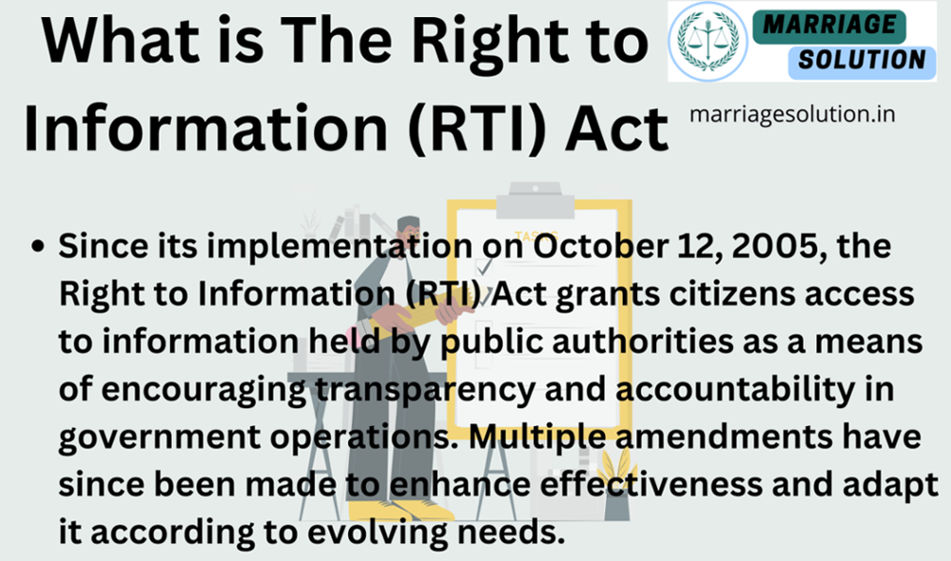
Right to Information RTI act :Your Comprehensive Guide (Part 1)
The Right to Information (RTI) Act : Explore the essence of the Right to Information (RTI) Act through this symbolic image. The image features legal documents, emphasizing the importance of transparency and accountability in governance. The scales of justice represent…

What is Article 371 of Indian Constitution ?
Article 371 of the Indian Constitution grants special provisions to specific states and regions within India, addressing their unique historical, social, and cultural circumstances. These provisions aim to accommodate diverse needs and protect cultural identities within the constitutional framework.
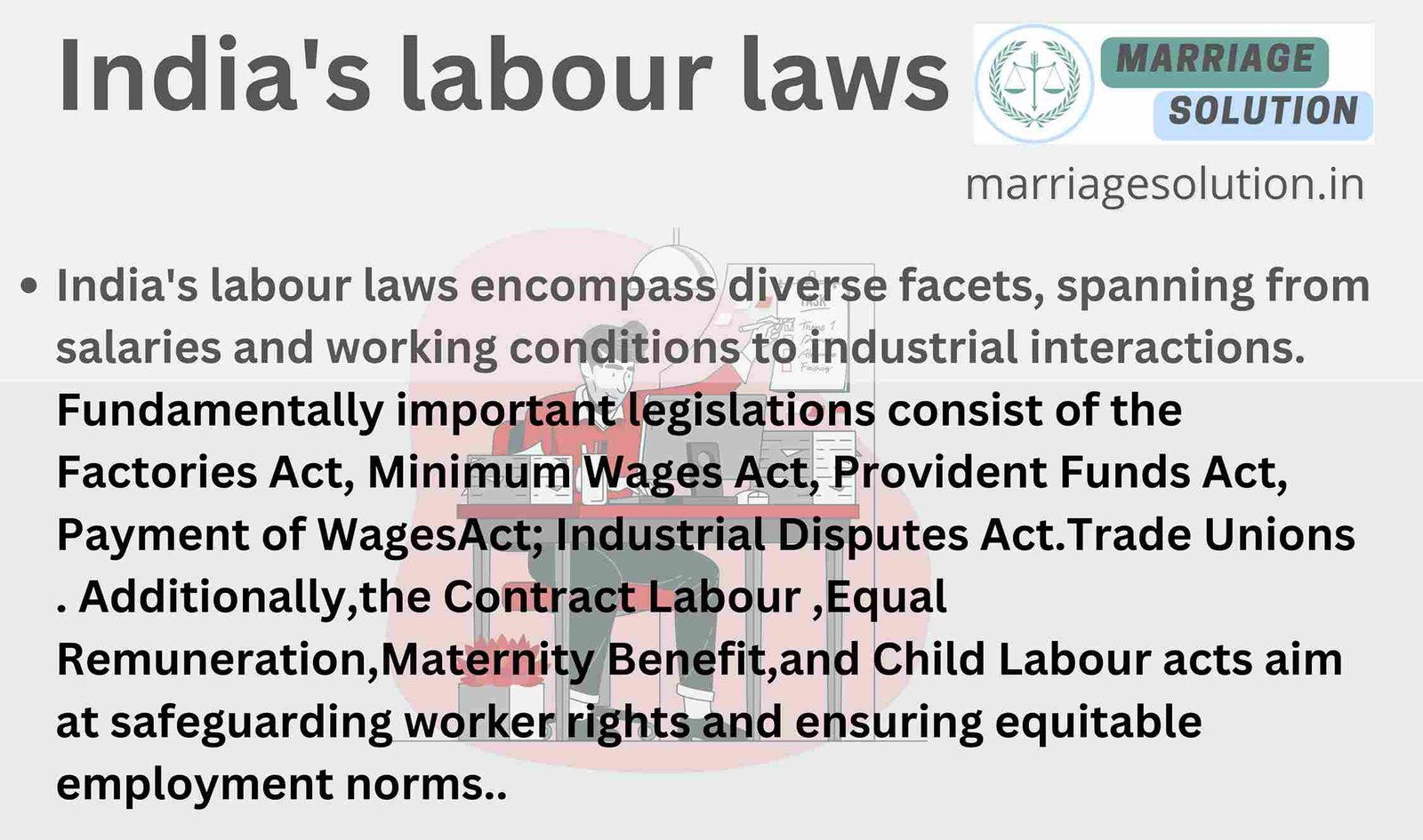
Indian Labour law : Your Comprehensive Guide (Part 1)
The purpose of labour laws is to safeguard employees and guarantee equitable treatment at the workplace, encompassing aspects such as remuneration, security, and perks. These regulations establish a secure ambiance by imposing minimum wage requirements, ensuring factory safety measures are…

GST :Your Comprehensive Guide (Part 1 – Understanding the Basics)
The Goods and Services Tax (GST) is like a big change in how we pay taxes in India. It started on July 1, 2017, and it’s here to simplify things. Before GST, we had many different taxes, and it could…