
Introduction to Section 166 BNSS
Section 166 BNSS deals with disputes about the right to use land or water. When such disputes may cause trouble or disturb peace, the Executive Magistrate steps in to prevent violence and protect people’s rights. This law helps manage conflicts before they become serious, by allowing the Magistrate to hold a hearing, examine claims, and make orders to stop interference with the rightful use of land or water.
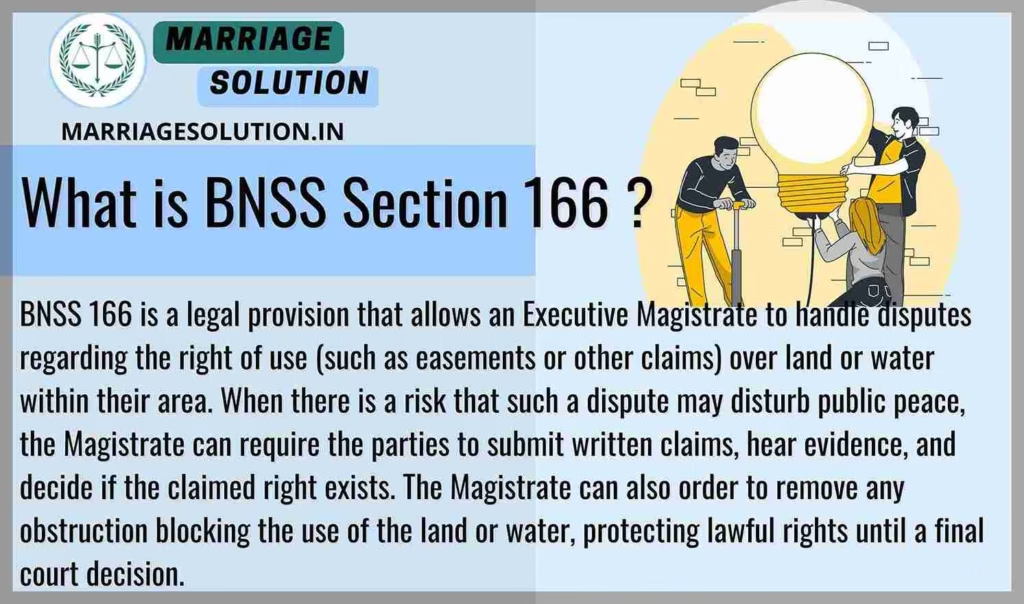
What is BNSS Section 166 ?
BNSS 166 is a legal provision that allows an Executive Magistrate to handle disputes regarding the right of use (such as easements or other claims) over land or water within their area. When there is a risk that such a dispute may disturb public peace, the Magistrate can require the parties to submit written claims, hear evidence, and decide if the claimed right exists. The Magistrate can also order to remove any obstruction blocking the use of the land or water, protecting lawful rights until a final court decision.
BNSS Section of 166 in Simple Points
1. Magistrate Acts on Report of Dispute
When the Executive Magistrate receives a report from the police or any other reliable source that a dispute about the right to use land or water is causing, or may cause, disturbance or breach of peace, he takes action. The Magistrate then issues a written order stating why he believes the dispute exists and calls both parties to appear in court on a specific date to discuss the issue. This step helps prevent violence or public disorder due to the dispute.
2. Written Statements Required
The parties involved in the dispute must submit written statements explaining their claims regarding the use of the land or water. These statements must be submitted before the court hearing, and the parties must attend in person or through a legal representative. This ensures that both sides formally present their views and evidence, helping the Magistrate understand the situation clearly.
3. Careful Examination of Evidence
The Magistrate reviews the written claims and listens carefully to both parties. He can also collect further evidence if necessary. This process involves evaluating documents, witness testimony, and any other relevant information to decide whether the right claimed by any party actually exists. The Magistrate’s role here is to find the truth based on the evidence provided.
4. Orders to Protect Rights
If the Magistrate concludes that a genuine right of use over the land or water exists, he can issue an order that forbids anyone from interfering with this right. This can include ordering the removal of any barriers or obstructions that block the rightful use. This protects the party’s lawful use of the land or water until the matter is finally resolved by a competent court.
5. Right Must Be Recently Exercised
The law requires that the claimed right must have been exercised recently for it to be protected. For rights that can be used year-round, they must have been exercised within the last three months before the dispute was reported. For rights that can only be used during certain seasons or occasions, they must have been exercised during the last relevant season or occasion. This prevents old or unused claims from disrupting peace.
Section 166 of BNSS Overview
BNSS 166 deals with situations where there is a dispute about the right to use land or water in a way that could disturb public peace. The Executive Magistrate, upon receiving information about such a dispute, investigates and may order parties to attend court and present their claims. The Magistrate then examines evidence and can decide if the right exists and issue orders to prevent interference with that right.
10 Key Points of BNSS 166 Explained in Detail
1. Magistrate’s Role on Receiving Dispute Information
When a police report or other reliable information indicates a dispute about the right to use land or water likely to cause unrest, the Executive Magistrate must act. He records in writing why he believes the dispute could disrupt peace and summons the involved parties to court to present their claims.
2. Scope of “Land or Water”
The term “land or water” here is broad. It includes not just physical land and water but also things related to them, like buildings, crops, fisheries, or profits. This ensures the law covers a wide range of property-related disputes.
3. Requirement for Written Statements and Court Attendance
The Magistrate requires each party to submit written statements about their claims regarding the right of use and to appear in court either personally or via an advocate. This formalizes the process and ensures both sides have a fair chance to present evidence.
4. Magistrate’s Duty to Evaluate Evidence
The Magistrate reviews all written statements and hears the parties involved. He may also gather additional evidence if needed. The goal is to carefully consider all facts to determine whether the disputed right actually exists.
5. Application of Section 164 Provisions
Many rules from BNSS 164 (which deals with land or water disputes generally) also apply to disputes about the right of use. This creates consistency in handling such cases and ensures thorough procedures.
6. Power to Issue Orders to Protect Rights
If the Magistrate finds the right of use exists, he can order that no one interferes with that right. This may include removing any obstructions blocking access or use of the land or water in question, thereby preventing further disputes or disturbances.
7. Limitations on Exercising the Right
Orders protecting the right of use will only be made if the right has been actively exercised recently — specifically, within the last three months or during the last relevant season or occasion. This prevents old or unused rights from being enforced unfairly.
8. Flexibility to Shift Proceedings Between Sections
If during the hearing, the Magistrate finds the dispute better fits BNSS 164 or BNSS 166, he can switch the case accordingly. This flexibility helps in applying the correct legal provisions to the specific type of dispute.
9. Focus on Maintaining Public Peace
The entire process under BNSS 166 aims to avoid breaches of peace caused by disputes over land or water use. By resolving such conflicts early and fairly, the law helps keep communities peaceful and orderly.
10. Importance of Timely Reporting and Action
Timely police reports or other information trigger the Magistrate’s involvement. Prompt action prevents small disputes from escalating into violence or public disorder, reflecting the law’s preventive focus.
Examples of BNSS 166
- Example 1:
Two neighbors are disputing over the use of a shared water canal. One claims the right to draw water for irrigation, while the other blocks the canal. The Magistrate receives a report about this dispute and calls both parties to present their claims and evidence. After hearing both sides, the Magistrate orders the removal of the obstruction so the rightful user can access the water. - Example 2:
A farmer claims a right of way through a piece of land owned by another person to reach his fields. The landowner denies this and blocks the path. The Magistrate intervenes after receiving complaints, asks both parties to submit their claims, and after investigation, issues an order to protect the farmer’s right of way until the matter is resolved by a civil court.
Section 166 of BNSS Short Information
| Key Point No. | Key Detail | Explanation |
|---|---|---|
| 1 | Disputes About Use | Used when people fight over the right to use land or water and peace may be disturbed. |
| 2 | Magistrate’s Action | The Magistrate calls both sides, asks for written claims, and checks if the right really exists. |
| 3 | Protection of Rights | If a valid right is found, the Magistrate can stop interference or remove any obstruction. |
| 4 | Recent Use Rule | The right must have been used recently — within 3 months or during the last relevant season. |
| 5 | Aim of Section | To stop fights and keep peace while protecting rightful land or water use until court decision. |
Why is BNSS 166 Needed?
BNSS Section 166 helps stop fights and violence over land or water use. It gives the Magistrate power to act quickly and keep peace between people or groups. Since court cases take time, the Magistrate can make temporary orders to stop trouble. This law also protects both sides’ rights until the court gives a final decision. It prevents one party from blocking or harming the other’s use of land or water. BNSS 166 keeps law and order in the area and avoids protests or conflicts. It provides a fair, legal way to handle such disputes peacefully.
BNSS Section 166 FAQs
BNSS 166
Conclusion
BNSS Section 166 helps control disputes over the right to use land or water before they turn violent. It allows the Magistrate to hear both sides, review written claims, and protect the lawful user’s rights temporarily. This section keeps public peace and prevents unfair obstruction while the civil court decides ownership or permanent rights.
Need Legal Support?
If you are dealing with court cases, marriage problems, or any other legal issue, our team at Marriage Solution – Lawyer Help is here for you. Simply fill out our quick online enquiry form, and we’ll connect you with the right legal expert to support your needs .
Finished with BNSS Section 166 ? Continue reading the next sections of the Bharatiya Nagarik Suraksha Sanhita (BNSS), 2023. Each section is explained in easy words, with simple examples, so anyone can understand it clearly.
- Section 167 BNSS : Local Inquiry Process .
- Section 168 BNSS : Police Powers to Prevent Cognizable Offences .
- Section 169 BNSS : Duty of Police to Report Plans of Serious Crimes .
- Section 170 BNSS : Arrest Without Warrant to Prevent Serious Crimes .
Full BNSS Section List: https://marriagesolution.in/bnss_section-list/
Full BNS Section List: https://marriagesolution.in/bharatiya-nyaya-sanhita-section-list/
Full IPC Section List: https://marriagesolution.in/ipc-section-list
All Indian Law & Blogs: https://marriagesolution.in/indian-law/
Need Legal Help? Speak to an Experienced Lawyer Now.

Court Marriage in India: Complete Process, Timeline & Inter-Caste Incentives
More couples in India are choosing court marriage over traditional ceremonies every year — whether for simplicity, personal choice, or the legal recognition it provides without the scale of a full wedding. A court marriage is like a legal love…

Right to Information RTI act :Your Comprehensive Guide (Part 1)
The Right to Information (RTI) Act : Explore the essence of the Right to Information (RTI) Act through this symbolic image. The image features legal documents, emphasizing the importance of transparency and accountability in governance. The scales of justice represent…

What is Article 371 of Indian Constitution ?
Article 371 of the Indian Constitution grants special provisions to specific states and regions within India, addressing their unique historical, social, and cultural circumstances. These provisions aim to accommodate diverse needs and protect cultural identities within the constitutional framework.
Indian Labour law : Your Comprehensive Guide (Part 1)
The purpose of labour laws is to safeguard employees and guarantee equitable treatment at the workplace, encompassing aspects such as remuneration, security, and perks. These regulations establish a secure ambiance by imposing minimum wage requirements, ensuring factory safety measures are…