
Section 266 BNSS : Rights of Accused to Present Evidence .
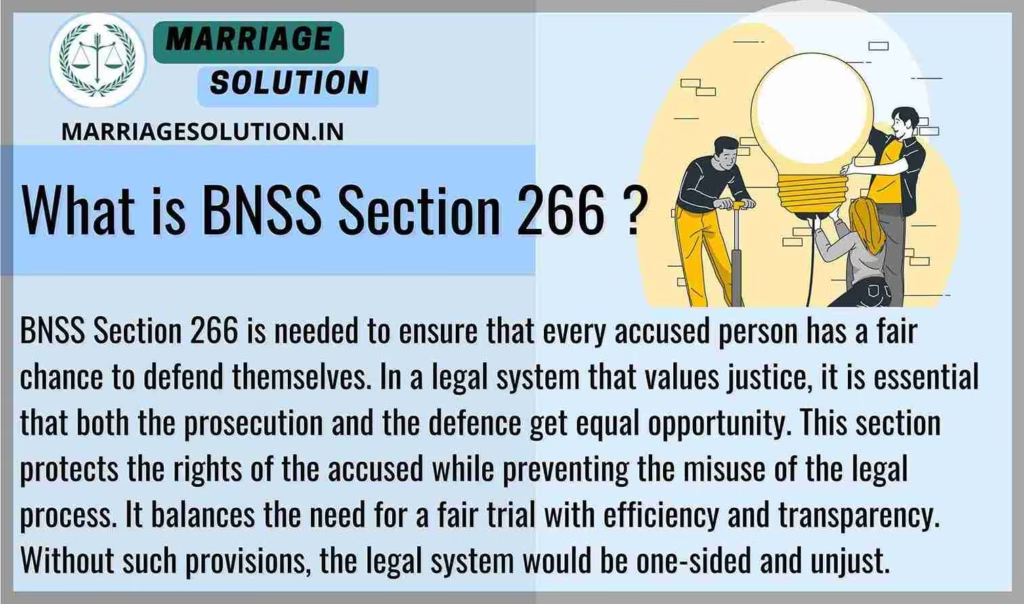
Section 266 BNSS : Showing how the accused can enter their defence, submit documents, call witnesses, and use video conferencing for a fair and balanced trial.
Section 265 BNSS : Evidence for Prosecution in Criminal Trials .
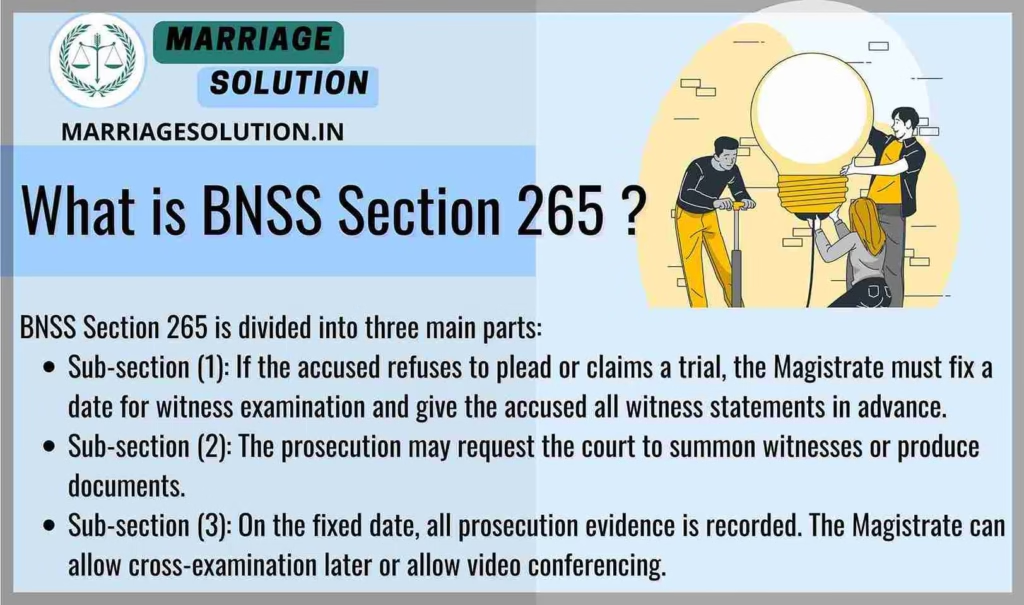
Section 265 BNSS : Where the Magistrate records prosecution evidence, summons witnesses, and allows video testimony in criminal trials when the accused denies guilt.
Section 264 BNSS : What Happens When an Accused Pleads Guilty?
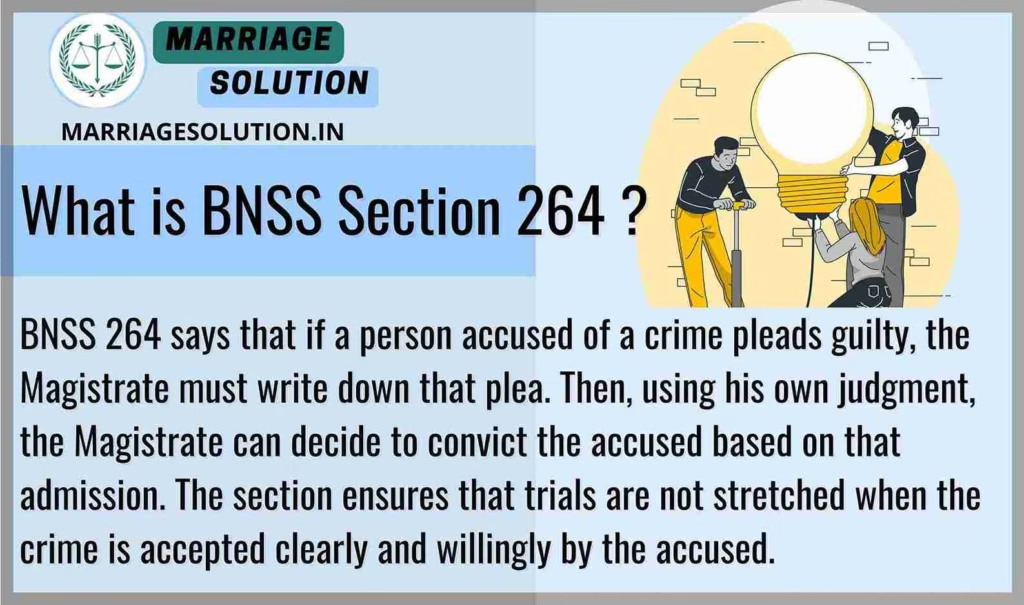
Section 264 BNSS : Magistrate records a guilty plea under BNSS Section 264, enabling quick and fair conviction with legal safeguards for the accused.
Section 263 BNSS :Procedure for Framing of Charges Explained .
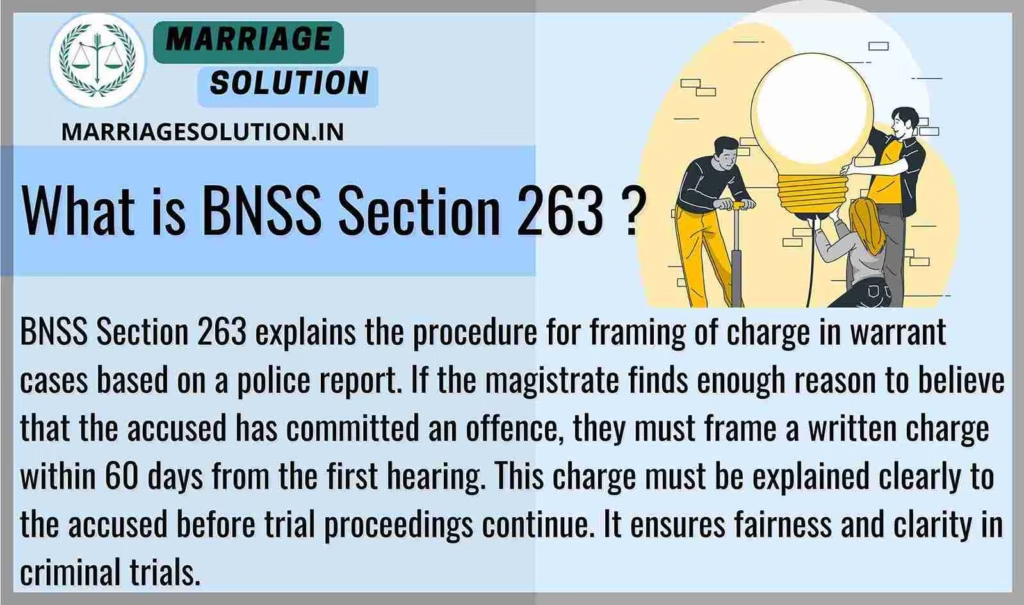
Section 263 BNSS Process of framing a charge by a Magistrate in warrant cases. If the Magistrate believes the accused has committed an offence, he must write and explain the charge within 60 days.
Section 262 BNSS : Protecting the Innocent from Groundless Charges(Discharge of Accused ).
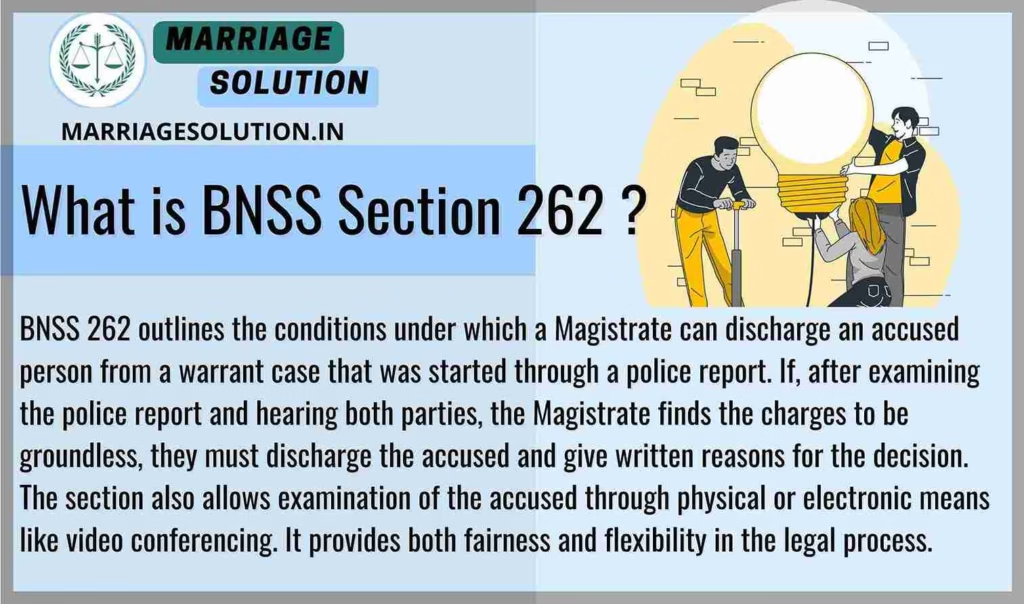
Section 262 BNSS : allows an accused to seek discharge in a warrant case under Indian criminal law if the charges are baseless. This image explains the process and role of the Magistrate.
Section 261 BNSS : Compliance with Section 230 Before Trial Starts .
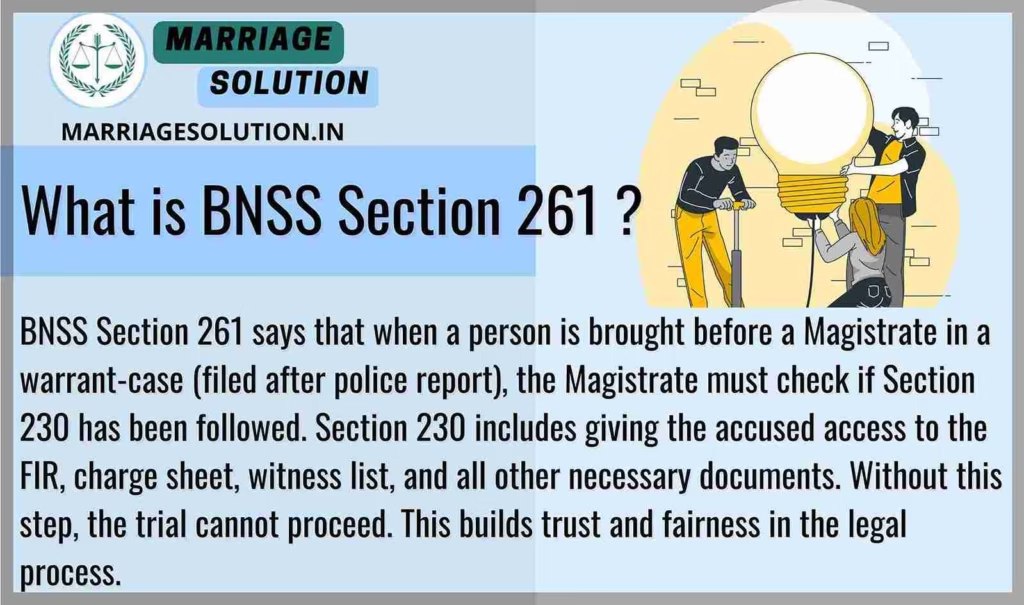
Section 261 BNSS : Ensure all case documents are shared with the accused before trial begins. It supports fair trial practices and legal transparency in Indian criminal law.
Section 260 BNSS : Process in cases instituted under sub-section (2) of section 222 .

Section 260 BNSS : Legal process for private complaints in Sessions Court, including trial procedure, in-camera hearings, and compensation rules for false complaints.