
Section 7 of BNSS : Sessions Division and Districts.
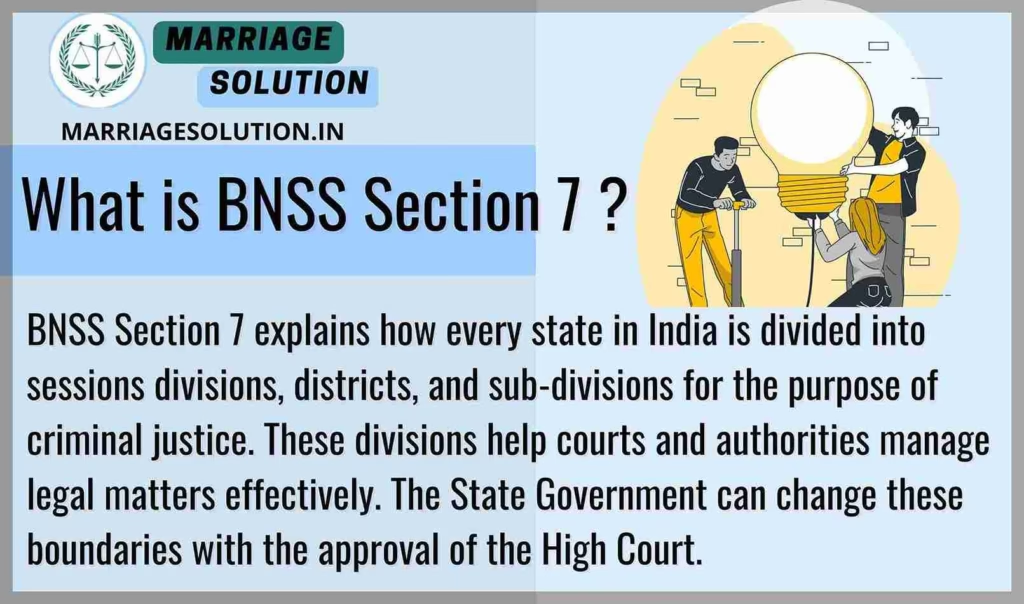
Section 7 of BNSS :BNSS 7 covers sessions, district, and sub-division structure.
Section 6 of BNSS : Classes of Criminal Courts.
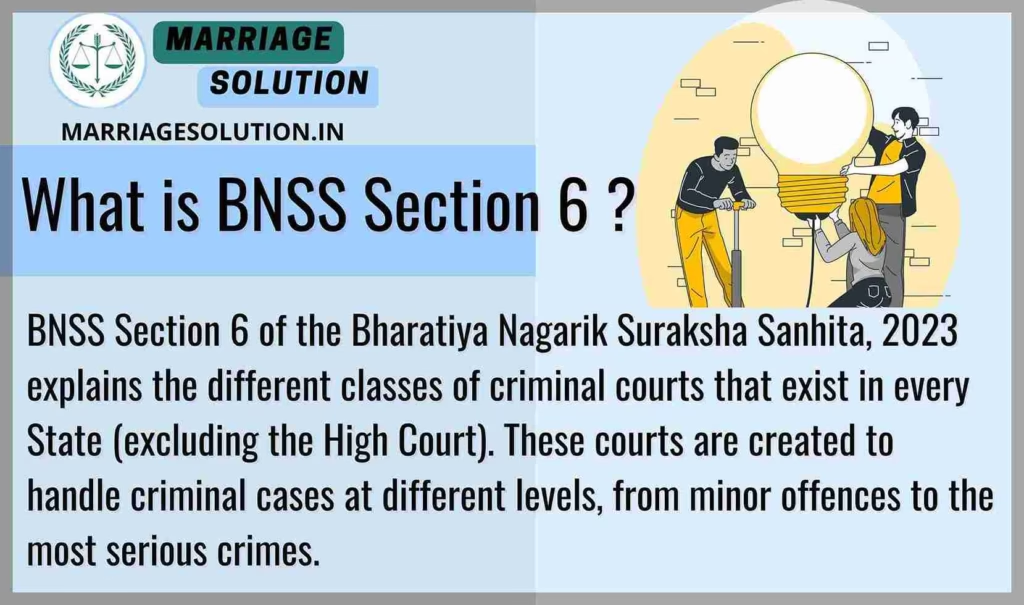
Section 6 of BNSS : Section 6. It highlights the four types of criminal courts that operate in every Indian state, apart from High Courts – namely, Courts of Session, Judicial Magistrates of the First Class, Judicial Magistrates of the Second Class, and Executive Magistrates.
Section 5 of BNSS : Saving .
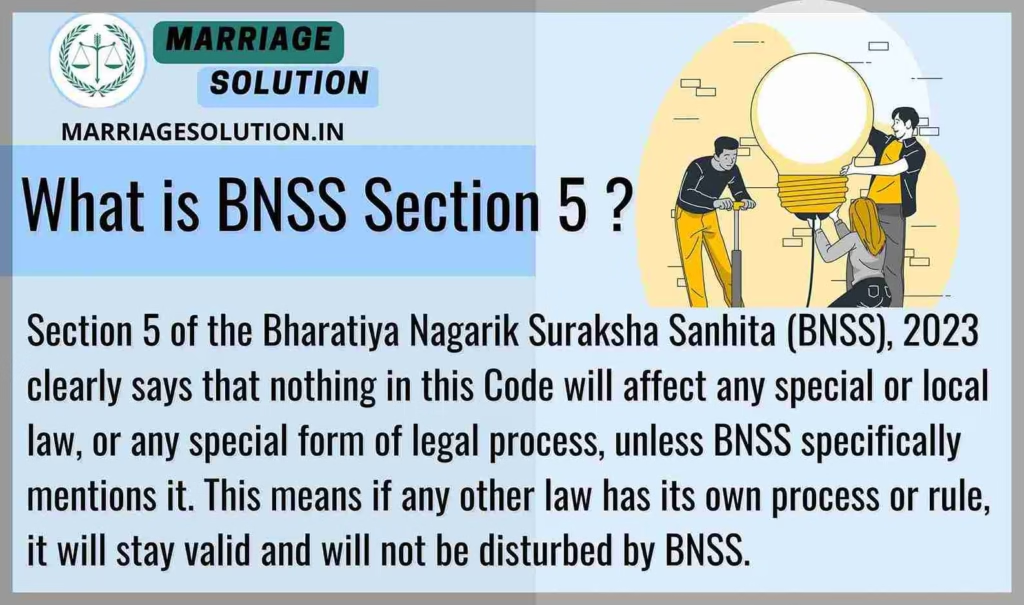
Section 5 of BNSS : Ensures special and local laws remain valid under the Bharatiya Nagarik Suraksha Sanhita, 2023. Learn its importance with examples and clear explanation.
Section 4 of BNSS : Trials of offences under the indian Penel Code and other laws .
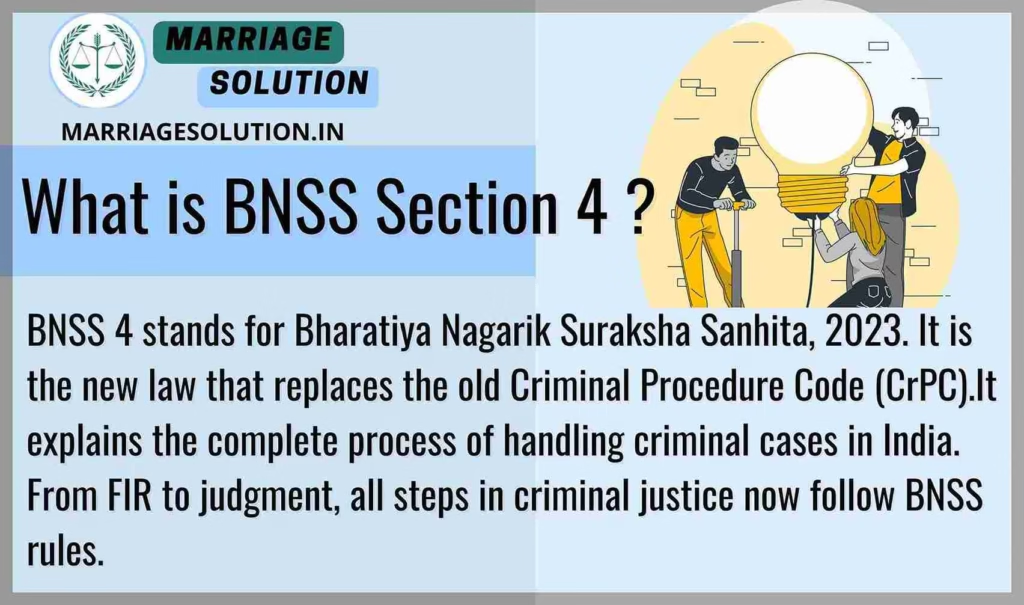
Section 4 of BNSS : acts as the foundation of criminal trials in India. It makes BNSS the primary procedural law for all criminal cases, ensuring consistency, fairness, and clarity in investigations and trials—unless a special law provides otherwise.
Section 3 of BNSS : Construction of references .
Section 3 of BNSS: BNS Section 3 of Bharatiya Nagarik Suraksha Sanhita, 2023, provides guidance on how to interpret the term “Magistrate” in different laws and clearly separates judicial duties from administrative ones by assigning them to Judicial or Executive Magistrates.
Section 2 of BNSS : Definitions ,Meaning, Scope and Importance .
Section 2 of BNSS : :nderstand the key terms like bail, complaint, investigation, and offences as defined under Section 2 of the Bharatiya Nagarik Suraksha Sanhita, 2023. This section ensures clarity in legal processes for police, courts, and citizens.
Section 1 of BNSS : Short title, extent and commencement .
Section 1 of bnss tells us the law’s name, applies to all India, and will start from a date announced by the Central Government.