Introduction to Section 312 BNSS
Section 312 BNSS explains how the language of witness evidence should be handled during criminal trials. It applies when evidence is recorded under Section 310 (warrant-cases) or Section 311 (Sessions trials). The main focus of this section is to ensure that the language used by witnesses is clearly understood by the court. This ensures fairness, clarity, and transparency during trials, no matter what language the witness speaks.
What is BNSS Section 312 ?
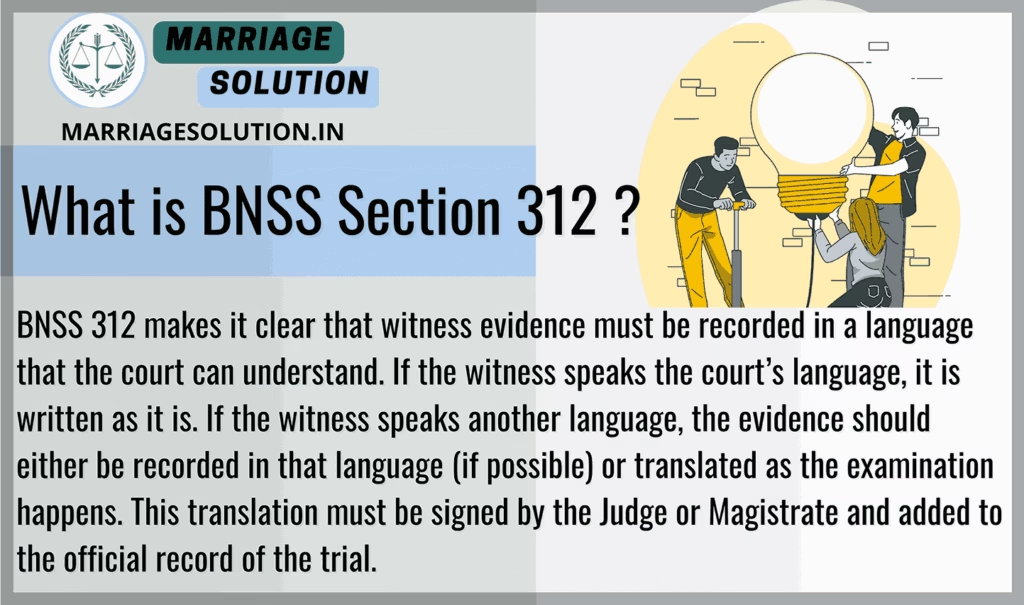
BNSS 312 makes it clear that witness evidence must be recorded in a language that the court can understand. If the witness speaks the court’s language, it is written as it is. If the witness speaks another language, the evidence should either be recorded in that language (if possible) or translated as the examination happens. This translation must be signed by the Judge or Magistrate and added to the official record of the trial.
BNSS Section of 312 in Simple Points
1. Applies to Evidence Recorded Under Sections 310 and 311
BNSS 312 applies whenever evidence is recorded under BNSS Section 310 (warrant-cases) or BNSS Section 311 (Sessions trials). These are serious criminal cases where every statement matters. This section explains that the language used in recording evidence must be carefully chosen. Whether it’s the Court’s language or another, the goal is accuracy and understanding. This helps prevent mistakes during the hearing, judgment, or appeals.
2. Recording in the Language of the Court
If the witness speaks in the official language of the Court, BNSS 312 says that the evidence must be written in that same language. This process is simple and saves time, as there is no need for translation. Everyone—Judge, lawyers, accused, and others present—can easily understand what’s written. It keeps the trial transparent and clear. This makes sure that justice is done quickly and properly.
3. Recording in Another Language If Possible
Sometimes, the witness may be more comfortable speaking in another language. BNSS 312 allows the statement to be written in that language, if possible. This helps protect the witness’s original words. It ensures that what the witness says is captured truthfully, helping to avoid changes or confusion later. This rule shows respect for the diversity of languages in India while making sure that the trial remains fair and correct.
4. Translation of Evidence When Necessary
If recording directly in the witness’s language is not possible, then a true translation into the Court’s language must be prepared during the examination. The Judge or Magistrate signs this translation, making it official. This is very important to maintain the accuracy of what the witness has said. It ensures that everyone involved understands the statement properly, especially during cross-examinations or appeals.
5. Special Rule for English and Fairness
BNSS 312 provides a special rule for English. If the evidence is given in English, and none of the parties ask for a translation, the Court can skip translating it. This rule makes the process faster and more practical, especially in courts where English is commonly used. The overall purpose of BNSS 312 is to ensure fair treatment for all witnesses, regardless of the language they speak, while protecting the rights of both parties in the trial.
312 BNSS Overview
BNSS 312 ensures that witness statements are properly recorded and understood during trials, even when witnesses speak different languages. If the witness speaks in the language of the court, it should be written directly in that language. If the witness speaks another language, it may be recorded in that language or translated into the court’s language. This rule protects the fairness of trials in a country like India, where many languages are spoken.
10 Key Points of BNSS Section 312
1. Applies to Evidence Recorded Under Sections 310 and 311
BNSS Section 312 applies specifically to witness statements recorded under BNSS Sections 310 and 311. These sections cover evidence in warrant-cases and trials before a Court of Session. BNSS 312 explains how that evidence should be recorded in the right language. Its main goal is to make sure that whatever the witness says is understood by the Court, lawyers, and all parties involved. This helps avoid mistakes in understanding witness evidence.
2. Evidence Given in Court Language Is Recorded Directly
If a witness gives their statement in the language of the Court, then BNSS 312 says that the evidence should be written directly in that language. This process is simple, fast, and accurate because no translation is required. Everyone in the courtroom, including the Judge, lawyers, and accused, can easily understand what is written. This helps in speeding up the trial process and ensures fairness to both sides.
3. Evidence Given in Another Language May Be Recorded in That Language
Sometimes, a witness may give their statement in a language different from the Court’s official language. BNSS 312 allows the evidence to be written in that language if practicable. This rule makes it easier for witnesses to speak freely in their comfortable language. Recording it in the original language protects the truth of what the witness actually said, without any confusion caused by poor translation.
4. Translation During the Recording of Evidence
If the witness speaks in a language other than the Court’s language, and recording in that language is not possible, then BNSS 312 requires that a true translation be written at the same time. This translation is prepared while the examination is going on. The translation must be signed by the Magistrate or Judge to make it official. This helps ensure that there are no mistakes between what was spoken and what is recorded.
5. Separate Translation for Non-Court Languages
In cases where the evidence is written in a language other than the Court’s language, BNSS 312 also requires that a true translation into the Court’s language be prepared as soon as possible. This translated version must be signed by the Magistrate or Judge and added to the official record of the trial. This ensures that all legal documents remain complete and understandable for everyone involved, especially during appeals or reviews.
6. Special Rule for English Language Evidence
BNSS 312 provides a special rule for English. If the witness gives their evidence in English, and none of the parties in the trial require a translation, then the Court may decide not to translate it. This rule saves time and effort in courts where English is commonly used and understood. It’s a practical option, especially in urban courts where many lawyers and judges use English regularly in their work.
7. Importance of the Judge’s or Magistrate’s Signature
Whether the evidence is recorded in the Court’s language or translated during or after the testimony, the signature of the Magistrate or Judge is mandatory. Without this signature, the evidence cannot be treated as part of the official record. This rule is important because it makes sure that the translation or original record is verified as correct by the authority of the Court, ensuring trust and fairness in the trial.
8. Helps Avoid Misunderstandings in Trial
The main reason BNSS 312 is necessary is to avoid misunderstandings during the trial process. Many trials in India involve witnesses who speak different languages or dialects. Recording their evidence properly—with or without translation—makes sure that what they say is understood clearly by the Judge, lawyers, and accused. This prevents misinterpretations that could affect the outcome of the case.
9. Ensures Equal Justice for All Parties
BNSS 312 helps to provide equal justice to everyone involved in the trial, whether they are the accused, the victim, or witnesses. By ensuring that the evidence is properly translated and recorded, it prevents language barriers from becoming a reason for injustice. Even those who don’t speak the Court’s language can be sure that their statements are properly recorded and understood, giving fair treatment to all.
10. Supports a Transparent and Efficient Legal System
Finally, BNSS Section 312 supports the larger goal of creating a transparent, efficient, and fair justice system in India. It connects closely with BNSS 310 and 311 to form a complete system for recording evidence. Together, these sections ensure that language differences do not become obstacles in trials. BNSS 312 reflects India’s diversity and commitment to justice for people of all languages and backgrounds.
Example 1:
In a Sessions Court trial in Maharashtra, the court’s language is Marathi, but the witness speaks in Hindi. If possible, the evidence is written in Hindi. If not, a Marathi translation is done on the spot and signed by the Judge to make it official.
Example 2:
During a warrant-case, the witness speaks in English. Since all parties understand English, and no one asks for translation, the Court may skip translating it into the court’s language as allowed under BNSS 312.
BNSS Section 312 Short Information
| No. | Key Point | Simple Explanation |
|---|---|---|
| 1 | Applies to Sections 310 & 311 Evidence | Used when recording evidence in warrant-cases and Sessions trials to ensure accuracy and clarity. |
| 2 | Record in Court Language | If the witness speaks the court’s language, evidence must be written directly in that language. |
| 3 | May Record in Witness’s Language | If possible, evidence may be written in the language spoken by the witness for accuracy. |
| 4 | True Translation Required | If direct recording isn’t possible, a signed translation into the court’s language must be prepared. |
| 5 | Special Rule for English | If evidence is in English and no party wants translation, the court may skip translating it. |
BNSS Section 312 FAQs
BNSS 312
Conclusion
BNSS Section 312 ensures that witness evidence is recorded in a language that keeps the trial accurate, clear, and fair. Whether recorded in the court’s language, the witness’s language, or through a verified translation, the goal is to prevent misunderstandings and maintain a reliable official record for judgments and appeals.
Need Legal Support?
If you are dealing with court cases, marriage problems, or any other legal issue, our team at Marriage Solution – Lawyer Help is here for you. Simply fill out our quick online enquiry form, and we’ll connect you with the right legal expert to support your needs .
Finished with BNSS Section 312 ? Continue reading the next sections of the Bharatiya Nagarik Suraksha Sanhita (BNSS), 2023. Each section is explained in easy words, with simple examples, so anyone can understand it clearly.
- Section 313 BNSS :Procedure for Finalizing Recorded Evidence .
- Section 314 BNSS : Interpretation of evidence to accused or Advocate.
- Section 315 BNSS : Remarks on Witness Behaviour in Trials .
- Section 316 BNSS : Recording the Statement of the Accused During Examination .
Full BNSS Section List: https://marriagesolution.in/bnss_section-list/
Full BNS Section List: https://marriagesolution.in/bharatiya-nyaya-sanhita-section-list/
Full IPC Section List: https://marriagesolution.in/ipc-section-list
All Indian Law & Blogs: https://marriagesolution.in/indian-law/
Need Legal Help? Speak to an Experienced Lawyer Now.

Right to Information RTI act :Your Comprehensive Guide (Part 1)
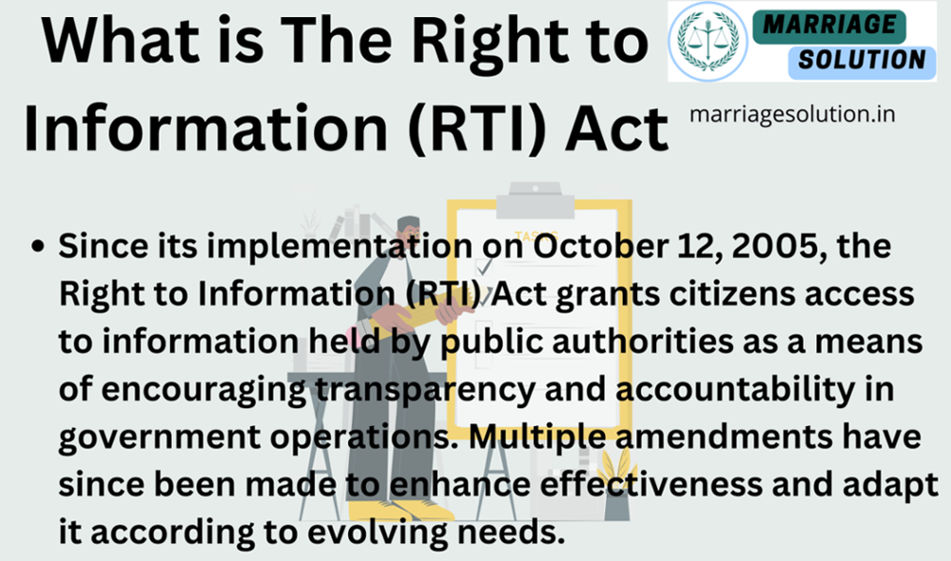
The Right to Information (RTI) Act : Explore the essence of the Right to Information (RTI) Act through this symbolic image. The image features legal documents, emphasizing the importance of transparency and accountability in governance. The scales of justice represent…

What is Article 371 of Indian Constitution ?
Article 371 of the Indian Constitution grants special provisions to specific states and regions within India, addressing their unique historical, social, and cultural circumstances. These provisions aim to accommodate diverse needs and protect cultural identities within the constitutional framework.
Indian Labour law : Your Comprehensive Guide (Part 1)
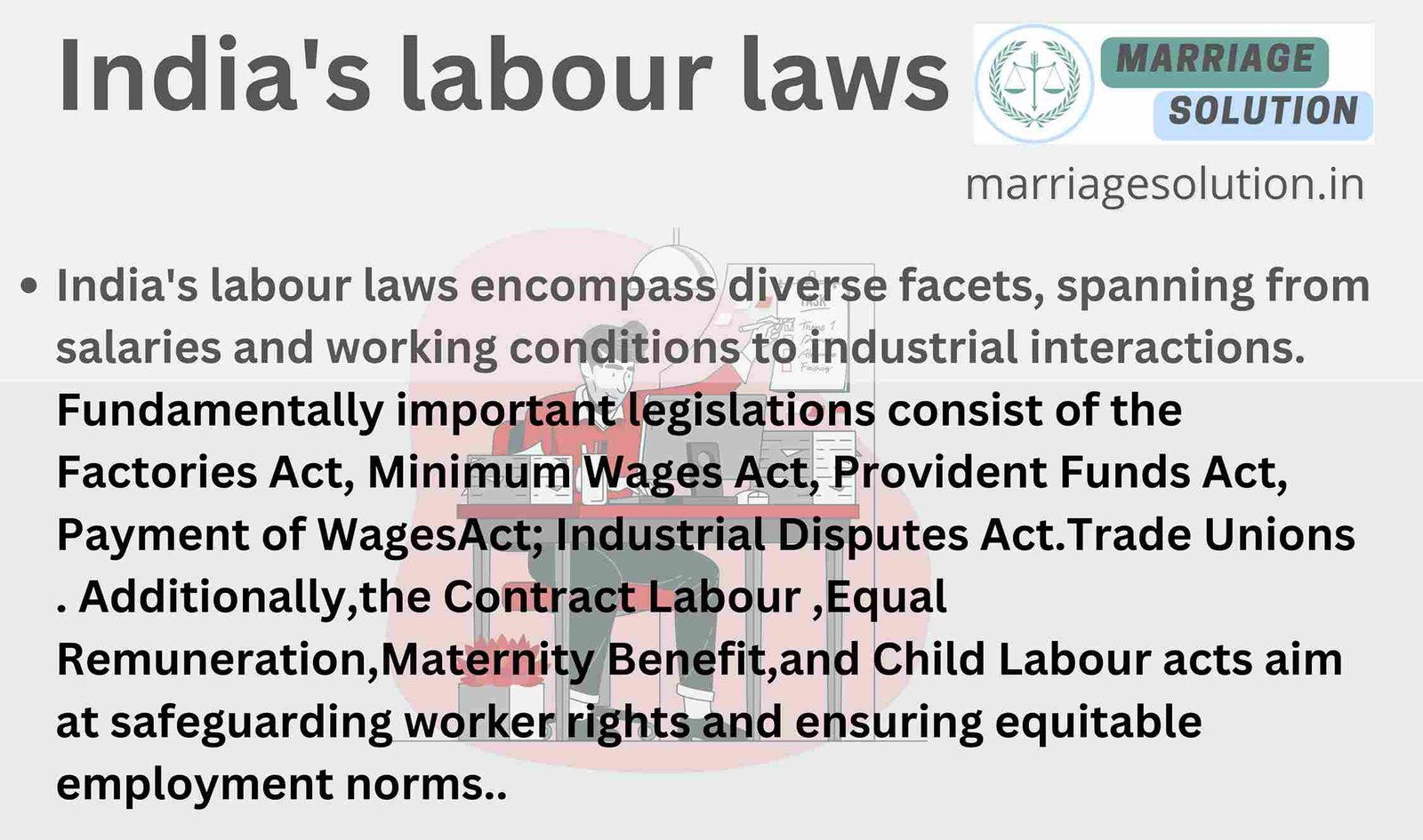
The purpose of labour laws is to safeguard employees and guarantee equitable treatment at the workplace, encompassing aspects such as remuneration, security, and perks. These regulations establish a secure ambiance by imposing minimum wage requirements, ensuring factory safety measures are…
GST :Your Comprehensive Guide (Part 1 – Understanding the Basics)
The Goods and Services Tax (GST) is like a big change in how we pay taxes in India. It started on July 1, 2017, and it’s here to simplify things. Before GST, we had many different taxes, and it could…