
Introduction to Section 315 BNSS
Section 315 BNSS is about the remarks made by the Judge or Magistrate regarding the behaviour (demeanour) of witnesses during their examination in court. Sometimes, how a witness behaves while speaking is as important as what they say. This section allows the court to make official notes about that behaviour if it feels that the behaviour is important for the case. It helps the Judge or higher courts later to understand the full picture of the witness’s evidence.
What is BNSS Section 315 ?
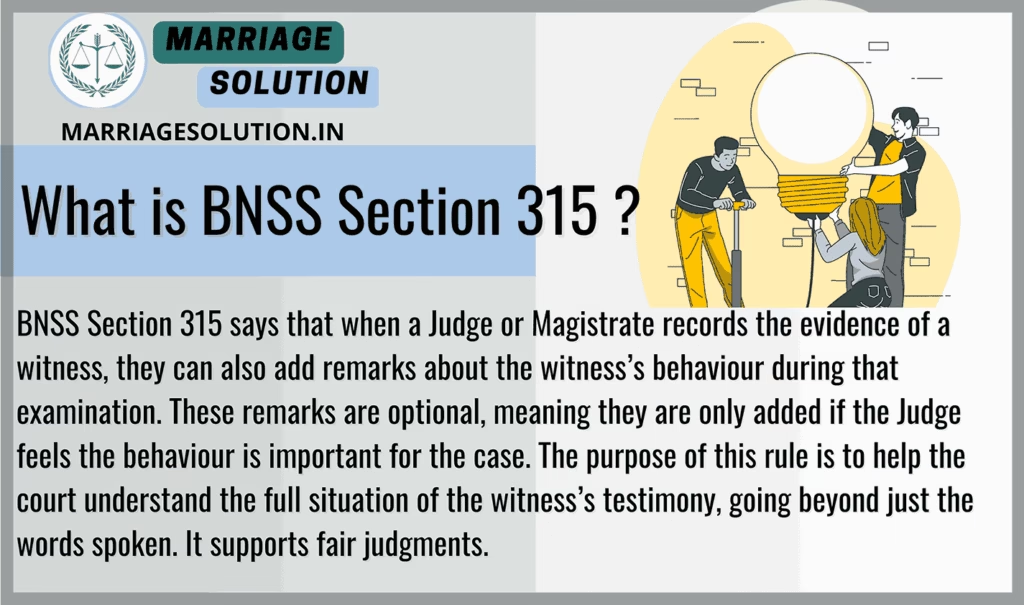
BNSS Section 315 says that when a Judge or Magistrate records the evidence of a witness, they can also add remarks about the witness’s behaviour during that examination. These remarks are optional, meaning they are only added if the Judge feels the behaviour is important for the case. The purpose of this rule is to help the court understand the full situation of the witness’s testimony, going beyond just the words spoken. It supports fair judgments.
BNSS Section of 315 in Simple Points
1. Purpose of Witness Behaviour Remarks
BNSS Section 315 allows Judges or Magistrates to write official remarks about how a witness behaves during questioning. These remarks can include signs of nervousness, hesitation, anger, or overconfidence. The purpose is to give the court more information to decide if the witness is honest or not. Just listening to words is sometimes not enough in serious criminal trials. The behaviour shows the real truth behind the words. This makes the judgment fairer.
2. Used Only When Necessary
Judges don’t need to make remarks on every witness—they only write them if the behaviour of the witness is important for the case. If a witness answers confidently and normally, there may be no need to write any remarks. But if a witness acts unusually, the Judge may write down those observations. This keeps the court record short, clear, and focused on important details. It avoids unnecessary paperwork while ensuring fairness.
3. Helps in Deciding Truthfulness
Sometimes, two witnesses might tell different versions of the same story. BNSS 315 allows Judges to add their personal observations about behaviour, helping the court decide which witness to believe. For example, if a witness seems confused or avoids direct answers, it may affect their credibility. These remarks can support fair judgments based on overall conduct, not just spoken words. It gives the Judge a better way to test the truth.
4. Useful in Appeals and Higher Courts
When cases go to higher courts for appeal, these remarks recorded under BNSS 315 become very helpful. The appeal court was not present during the trial, but by reading these remarks, they can understand how the witnesses behaved. This helps them know why the lower court believed one witness over another. BNSS 315 ensures that appeal courts don’t miss the full picture of the trial. It protects the original judgment from confusion.
5. Makes Justice More Transparent
BNSS Section 315 improves transparency in the court process. When Judges openly write why they trust or doubt a witness based on behaviour, it gives everyone involved a clear understanding of how the judgment was made. Lawyers, accused, victims, and appeal courts can all see this reasoning. It avoids hidden doubts or confusion later. This builds confidence in the justice system by keeping court decisions open, fair, and logical.
315 BNSS Overview
BNSS 315 allows the Judge or Magistrate to write remarks on a witness’s behaviour while they are giving evidence in court. This could include things like confidence, nervousness, hesitation, or aggression. These observations help the court decide whether the witness is telling the truth or not. It also ensures that higher courts have a clear view of how the witness acted during trial if the case is appealed. This improves accuracy and fairness in trials.
10 Key Points of BNSS Section 315
1. Duty of Judge to Record Witness Behaviour
BNSS 315 clearly makes it the duty of the Judge or Magistrate to write down any important observations about the witness’s behaviour during testimony. If a witness behaves strangely, nervously, confidently, or avoids answering questions properly, these things can be very important for deciding if their evidence is reliable. These observations give the court additional clues about whether to trust the witness or not. The demeanour adds meaning to their spoken words.
2. Helps in Understanding Credibility of Witness
The demeanour or behaviour of a witness is very helpful for judges to decide whether the witness is telling the truth. A witness who looks away often or speaks in a confused manner might not be very reliable. On the other hand, someone who speaks clearly and confidently might be seen as more trustworthy. BNSS 315 allows the Judge to capture these details formally in the record so that the entire case can be judged fairly based on both words and behaviour.
3. Not Mandatory for Every Witness
It is important to understand that BNSS 315 does not make it compulsory to write remarks for every witness. It is only required when the Judge or Magistrate feels that something about the witness’s behaviour is important. If the witness behaves normally and there is nothing special to note, the Judge may skip this. But if the behaviour could affect the decision of the case, then remarks should be made to help with future examination or appeal.
4. Improves Accuracy in Trials
Adding remarks about a witness’s demeanour makes the trial process stronger and more accurate. Sometimes, two witnesses may tell similar stories, but their behaviour may be very different. Recording these behavioural differences helps the Judge understand who is possibly lying and who is telling the truth. These recorded remarks become a valuable part of the court’s file and help during appeal cases if any higher court reviews the trial. It helps to prevent wrong judgments.
5. Used in Appeals and Reviews of Cases
BNSS 315 helps not only in the trial itself but also in appeals or reviews by higher courts. If a decision is challenged in a higher court, these recorded remarks about the witness’s demeanour can give the appeal court better context about why certain decisions were made. It shows the Judge’s thinking at the time of the trial and protects the decision from being seen as unfair or biased. It adds strength to the case record.
6. Judge’s Personal Observation Matters
The remarks recorded under BNSS 315 are personal observations of the Judge or Magistrate who saw the witness during examination. No one else can write these remarks because they are based on what the Judge directly noticed. This ensures that the notes are genuine and reliable. These remarks are not opinions about the case but neutral observations about how the witness acted, helping Judges make more balanced and fair decisions based on the full picture.
7. Protects Against False Witness Statements
Sometimes, false witnesses (also called hostile or planted witnesses) come to court with fake stories. BNSS 315 gives the Judge a tool to note their suspicious or unusual behaviour, like hesitation, nervousness, or avoiding eye contact. These details can help the court decide if a witness is genuine or lying. By having these remarks on record, false witnesses can be caught more easily, making trials stronger and protecting truth and justice.
8. Helps Maintain Transparency of Trial Process
When the Judge writes remarks about the witness’s demeanour, it shows that the trial process is transparent. Everyone can see why the Judge may believe or not believe a witness’s testimony. These remarks are part of the official record, which can be reviewed later if needed. It ensures that the Judge’s thought process is open and recorded, promoting fairness in the justice system. It is a valuable step to avoid hidden bias or mistakes.
9. Useful in Cases of Contradictory Testimonies
In many criminal cases, different witnesses may tell different versions of the same event. BNSS 315 helps the court by providing behaviour-based insights about which witness seems more credible. If one witness appears nervous or confused, and another speaks confidently, the court may lean towards the more consistent and calm testimony. Recording these behavioural clues supports logical decision-making in complicated cases involving conflicting evidence.
10. Strengthens the Overall Justice System
By including remarks on the demeanour of witnesses, BNSS 315 makes the justice system stronger and more trustworthy. It respects both the rights of the accused and the importance of truth in court. Judges get an official way to record their honest observations about the witnesses, making judgments more reliable. Overall, this section helps courts deliver better decisions and reduces the chances of errors, promoting confidence in the Indian judicial system.
Example 1:
A witness is giving evidence in court about a theft, but they look nervous, avoid eye contact, and hesitate before answering. The Judge makes a remark about this nervous behaviour in the court record to help evaluate whether the witness is being truthful.
Example 2:
During a murder trial, a key witness gives evidence confidently, speaking clearly without hesitation. The Magistrate records a remark noting the witness’s steady and confident behaviour, supporting the reliability of their statement.
BNSS Section 315 Short Information
| Point | Details |
|---|---|
| Section Name | BNSS Section 315 |
| Main Rule | Judges may write remarks about a witness’s behaviour during testimony. |
| When Applied | Only when the witness’s behaviour is important for judging credibility. |
| Why It Matters | Helps courts decide honesty of witnesses, especially in disputed cases. |
| Purpose | Supports fair judgments and helps higher courts during appeals. |
BNSS Section 315 FAQs
BNSS 315
Conclusion
Section 315 helps the court look beyond just spoken words by allowing the Judge to note a witness’s behaviour during testimony. These behaviour notes make it easier to judge honesty, support fair decisions, and guide higher courts during appeals. It strengthens transparency and improves the overall quality of justice.
Need Legal Support?
If you are dealing with court cases, marriage problems, or any other legal issue, our team at Marriage Solution – Lawyer Help is here for you. Simply fill out our quick online enquiry form, and we’ll connect you with the right legal expert to support your needs .
Finished with BNSS Section 315 ? Continue reading the next sections of the Bharatiya Nagarik Suraksha Sanhita (BNSS), 2023. Each section is explained in easy words, with simple examples, so anyone can understand it clearly.
- Section 316 BNSS : Recording the Statement of the Accused During Examination .
- Section 317 BNSS : Interpreter required to translate evidence faithfully and truly .
- Section 318 BNSS : Recording Evidence in High Court Trials .
- Section 319 BNSS : Cases where personal presence of witness can be avoided and commission may be ordered.
Full BNSS Section List: https://marriagesolution.in/bnss_section-list/
Full BNS Section List: https://marriagesolution.in/bharatiya-nyaya-sanhita-section-list/
Full IPC Section List: https://marriagesolution.in/ipc-section-list
All Indian Law & Blogs: https://marriagesolution.in/indian-law/
Need Legal Help? Speak to an Experienced Lawyer Now.

Right to Information RTI act :Your Comprehensive Guide (Part 1)
The Right to Information (RTI) Act : Explore the essence of the Right to Information (RTI) Act through this symbolic image. The image features legal documents, emphasizing the importance of transparency and accountability in governance. The scales of justice represent…

What is Article 371 of Indian Constitution ?
Article 371 of the Indian Constitution grants special provisions to specific states and regions within India, addressing their unique historical, social, and cultural circumstances. These provisions aim to accommodate diverse needs and protect cultural identities within the constitutional framework.
Indian Labour law : Your Comprehensive Guide (Part 1)
The purpose of labour laws is to safeguard employees and guarantee equitable treatment at the workplace, encompassing aspects such as remuneration, security, and perks. These regulations establish a secure ambiance by imposing minimum wage requirements, ensuring factory safety measures are…

GST :Your Comprehensive Guide (Part 1 – Understanding the Basics)
The Goods and Services Tax (GST) is like a big change in how we pay taxes in India. It started on July 1, 2017, and it’s here to simplify things. Before GST, we had many different taxes, and it could…