Introduction to Section 326 BNSS
Section 326 BNSS talks about using the deposition of medical witnesses in criminal trials. If a doctor’s statement is recorded by a Magistrate properly, it can be used in court even if the doctor doesn’t appear personally. This helps courts by saving time while ensuring that important medical evidence is part of the trial. It balances judicial speed with the rights of the accused to defend himself.
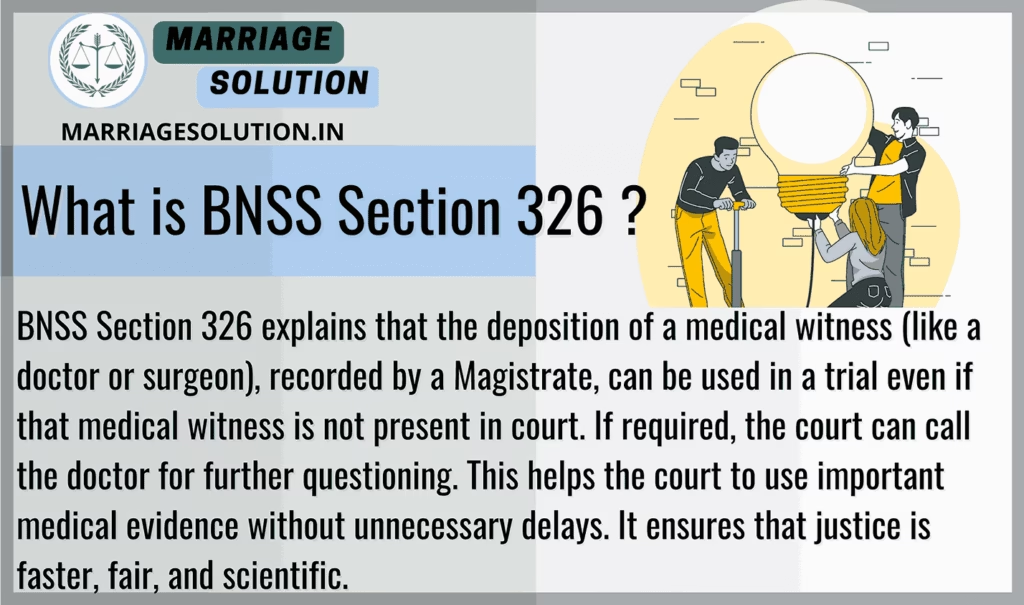
What is BNSS Section 326 ?
BNSS Section 326 explains that the deposition of a medical witness (like a doctor or surgeon), recorded by a Magistrate, can be used in a trial even if that medical witness is not present in court. If required, the court can call the doctor for further questioning. This helps the court to use important medical evidence without unnecessary delays. It ensures that justice is faster, fair, and scientific.
BNSS Section of 326 in Simple Points
1. Use of Medical Witness Deposition as Evidence
BNSS Section 326 allows courts to accept and use the recorded statements of medical witnesses as official evidence. If a doctor’s deposition is properly recorded by a Magistrate in the presence of the accused, it can be submitted in court even without the physical presence of the doctor. This ensures that the trial does not get delayed due to the unavailability of medical professionals. It is especially useful in post-mortem or injury report cases. The recorded deposition holds legal value and can influence the case outcome. Courts rely on this to save time while maintaining fairness. This system promotes efficiency in criminal trials.
2. Protection of Accused’s Rights
BNSS 326 clearly provides that either the accused or the prosecution can request the court to summon the medical witness for direct questioning. This helps protect the legal rights of the accused and ensures that they have a fair chance to challenge or clarify the medical evidence presented against them. If there are doubts about the deposition, the witness can be examined in court for better understanding. This provision keeps a balance between judicial efficiency and the right to defense. The system ensures transparency in trials where medical evidence plays a key role.
3. Applies to Any Inquiry, Trial, or Proceeding
The provisions of BNSS 326 apply to any inquiry, trial, or other legal proceedings under the BNSS framework. Whether it’s a simple injury case or a serious criminal trial, medical depositions can be used without requiring the constant physical presence of the medical officer. It simplifies complicated cases that involve scientific or forensic evidence. Especially in sessions courts where expert medical opinions are crucial, BNSS 326 helps make the judicial process smoother. The court is empowered to either continue with the deposition or call the witness as necessary. This ensures that the case moves forward without unnecessary delay.
4. Saving Court Time in Busy Judicial System
One of the major reasons for BNSS 326 is to reduce delays in criminal trials. Courts often face situations where doctors are too busy to appear or are posted in different places. Calling them repeatedly creates a burden on both the courts and hospitals. By using recorded depositions, the judicial process can move faster without affecting the quality of evidence. Medical experts can continue their work, while their expert opinions are safely used in court. This system helps in clearing case backlogs while keeping justice fair. It promotes speed with reliability in criminal trials.
5. Court’s Discretion to Summon Witnesses
Even though BNSS 326 allows the use of recorded depositions, the court always has the final authority to call the medical witness if necessary. The court can exercise its powers to ensure that justice is not compromised. If the case is very sensitive or if there are contradictions in the medical deposition, the judge can summon the doctor for a live testimony. This ensures that no party is denied their right to clarify or question the evidence. Therefore, BNSS 326 creates a balance between speed of trial and fairness of procedure, giving full discretion to the judge or magistrate.
326 BNSS Overview
BNSS 326 allows courts to accept medical reports and statements taken by a Magistrate in the presence of the accused. These depositions can be used as evidence in court. However, if needed, the court or either party can request that the medical witness be summoned for explanation. This provision is especially useful in cases involving post-mortems, injuries, or forensic evidence, helping courts complete cases efficiently and fairly.
10 Key Points of BNSS 326
1) Deposition of Medical Witness Can Be Used as Evidence
BNSS Section 326 allows that if a doctor’s statement (deposition) is recorded earlier by a Magistrate, it can be used as evidence in court. This is allowed even if that doctor does not come in person to the court. The statement must have been properly recorded in the presence of the accused. This ensures that the rights of the accused are protected. Medical reports like post-mortem or injury reports are often supported by this deposition. It saves the court from unnecessary delay due to the non-availability of doctors. This helps in faster delivery of justice.
2) Presence of Accused is Important
When the deposition is being recorded, it must be done in the presence of the accused or his advocate. This ensures that the accused knows what evidence is being given against him. If a commission is issued for recording the medical witness, the same rule applies. This makes sure that the trial is fair for both sides. BNSS 326 thus ensures that the accused gets a chance to defend himself. The deposition is not just taken behind closed doors; it is a part of the official court process. This protects the basic rights of the accused.
3) Medical Witness Can Still Be Summoned
Even though the deposition alone can be used, the law allows the court to call the medical witness to court if required. Either the prosecution or the accused can request this. The court can also call the doctor on its own if it feels that further explanation is necessary. This flexibility ensures that no party suffers due to incomplete information. The goal is to arrive at the truth. It balances speed of trial with the need for clarity. BNSS 326 thus strengthens fair trial principles.
4) Helps in Speedy Trials
Doctors are often very busy with medical duties, especially government medical officers. If every doctor had to attend every case personally, it would delay the courts and medical services. BNSS 326 allows their deposition to be used, saving valuable time. Courts don’t have to wait for doctors to travel and appear. This helps in cases where medical evidence is clear and straightforward. It avoids unnecessary delays when the witness’s presence is not essential. Thus, the judicial system runs smoothly.
5) Medical Reports Become Strong Evidence
Medical evidence is very important in criminal trials. Post-mortem reports, injury reports, and forensic medical opinions often become the deciding factor in murder or assault cases. BNSS 326 gives legal weight to these depositions by doctors. It allows courts to give value to medical findings without always needing the doctor in court. But if clarification is needed, the court can always summon the doctor. This makes sure that justice is based on both medical truth and legal fairness. It supports better trial outcomes.
6) Part of the Official Court Record
When a deposition of a medical witness is used under BNSS 326, it is treated as part of the official trial record. This means both the prosecution and defense can refer to it during the trial. The accused also gets a copy of the deposition, ensuring transparency in court proceedings. This makes the trial more structured and clear for all parties involved. It shows how BNSS 326 helps maintain proper records for future legal use. Such official documentation protects the interests of all parties involved.
7) Option of Using Commission to Record Evidence
BNSS 326 allows courts to use a commission to record the statement of a medical witness. A commission is when another judge or magistrate takes the deposition on behalf of the court conducting the trial. This is helpful when the witness cannot attend due to distance or other reasons. It provides flexibility without compromising the quality of evidence. The commission system is guided by the provisions of BNSS. This ensures that procedural justice is not sacrificed in the name of convenience.
8) Supports Fair Trial for Both Parties
BNSS 326 is not one-sided. Both the accused and the prosecution can ask the court to summon the medical witness if needed. This ensures that one side cannot misuse this provision to block evidence or avoid questions. Both sides get equal opportunity to cross-examine or clarify the medical evidence. This way, trials remain balanced and fair. BNSS 326 thus respects both speed and fairness, giving value to both medical facts and legal rights. The law helps both the victim and the accused get justice.
9) Important for Medical Legal Cases
BNSS 326 is especially important for cases that involve medical injuries, forensic evidence, rape cases, or murder cases. In such cases, medical depositions are key to finding the truth. The court does not rely only on statements from the police or public but on scientific medical reports. With BNSS 326, these reports become official court evidence, helping judges make informed decisions. This section highlights the importance of medical knowledge in law. It promotes scientific justice in courts.
10) Improves Efficiency of Court System
Overall, BNSS 326 plays a huge role in making the court system more efficient. It avoids wasting time when the medical evidence is already clear and undisputed. It gives the courts flexibility to call doctors if needed, but does not force attendance unnecessarily. The combination of efficiency, fairness, and scientific support makes BNSS 326 a modern, useful legal tool. It benefits not just the courts but also doctors and the parties involved in the case. This shows how BNSS is designed to bring fast and fair justice.
Example 1:
In a murder case, the post-mortem report of the victim is recorded by the Magistrate with the accused present. The doctor is unavailable to attend due to a medical emergency. The deposition is used in court, and the trial continues smoothly.
Example 2:
In an assault case, the injury report by a civil surgeon is recorded via commission. Later, the defense wants to question the doctor, so the court calls the doctor for cross-examination, ensuring fair justice for all parties.
BNSS Section 326 Short Information
| Point | Details |
|---|---|
| Section Name | BNSS Section 326 |
| Main Rule | Medical depositions recorded earlier by a Magistrate in the presence of the accused can be used as evidence in court. |
| Accused’s Right | Deposition must be recorded in the presence of the accused or their advocate to ensure fairness. |
| Witness Summoning | Court may call the doctor for explanation if needed, or if requested by either party. |
| Purpose | To speed up trials involving post-mortems, injuries, or forensic evidence without compromising fairness. |
Why Needed BNSS 326?
BNSS 326 is needed because medical witnesses like doctors or surgeons play an important role in many criminal cases. But many times, these medical experts are not able to come to court again and again due to their busy duties. Without their statements, the case may face delays or even fail. BNSS 326 solves this problem by allowing courts to use their recorded depositions as official evidence. It saves court time, reduces the burden on doctors, and ensures that justice is delivered faster. This provision helps balance the rights of the accused with the need for speedy disposal of cases. It brings efficiency, fairness, and justice together.
BNSS Section 326 FAQs
BNSS 326
Conclusion
BNSS Section 326 improves trial efficiency by allowing medical depositions recorded earlier in the presence of the accused to be used directly as evidence. It reduces the need for doctors to appear in court every time, saving valuable time for both the judiciary and medical professionals. At the same time, the law keeps trials fair by allowing the court or parties to summon the doctor whenever clarification is required. This balance ensures fast, reliable, and scientifically supported justice.
Need Legal Support?
If you are dealing with court cases, marriage problems, or any other legal issue, our team at Marriage Solution – Lawyer Help is here for you. Simply fill out our quick online enquiry form, and we’ll connect you with the right legal expert to support your needs .
Finished with BNSS Section 326 ? Continue reading the next sections of the Bharatiya Nagarik Suraksha Sanhita (BNSS), 2023. Each section is explained in easy words, with simple examples, so anyone can understand it clearly.
- Section 327 BNSS : Identification Reports as Court Evidence .
- Section 328 BNSS : Mint, Forensic & Document Reports in Court.
- Section 329 BNSS : Reports Submitted by Designated Government Scientific Experts.
- Section 330 BNSS : No Formal Proof of Certain Documents .
Full BNSS Section List: https://marriagesolution.in/bnss_section-list/
Full BNS Section List: https://marriagesolution.in/bharatiya-nyaya-sanhita-section-list/
Full IPC Section List: https://marriagesolution.in/ipc-section-list
All Indian Law & Blogs: https://marriagesolution.in/indian-law/
Need Legal Help? Speak to an Experienced Lawyer Now.

Right to Information RTI act :Your Comprehensive Guide (Part 1)
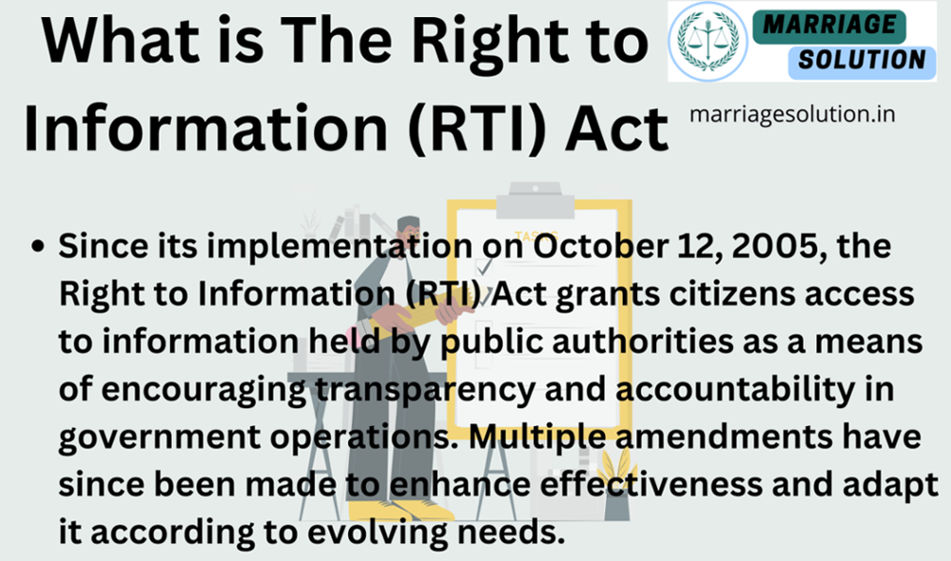
The Right to Information (RTI) Act : Explore the essence of the Right to Information (RTI) Act through this symbolic image. The image features legal documents, emphasizing the importance of transparency and accountability in governance. The scales of justice represent…

What is Article 371 of Indian Constitution ?
Article 371 of the Indian Constitution grants special provisions to specific states and regions within India, addressing their unique historical, social, and cultural circumstances. These provisions aim to accommodate diverse needs and protect cultural identities within the constitutional framework.
Indian Labour law : Your Comprehensive Guide (Part 1)
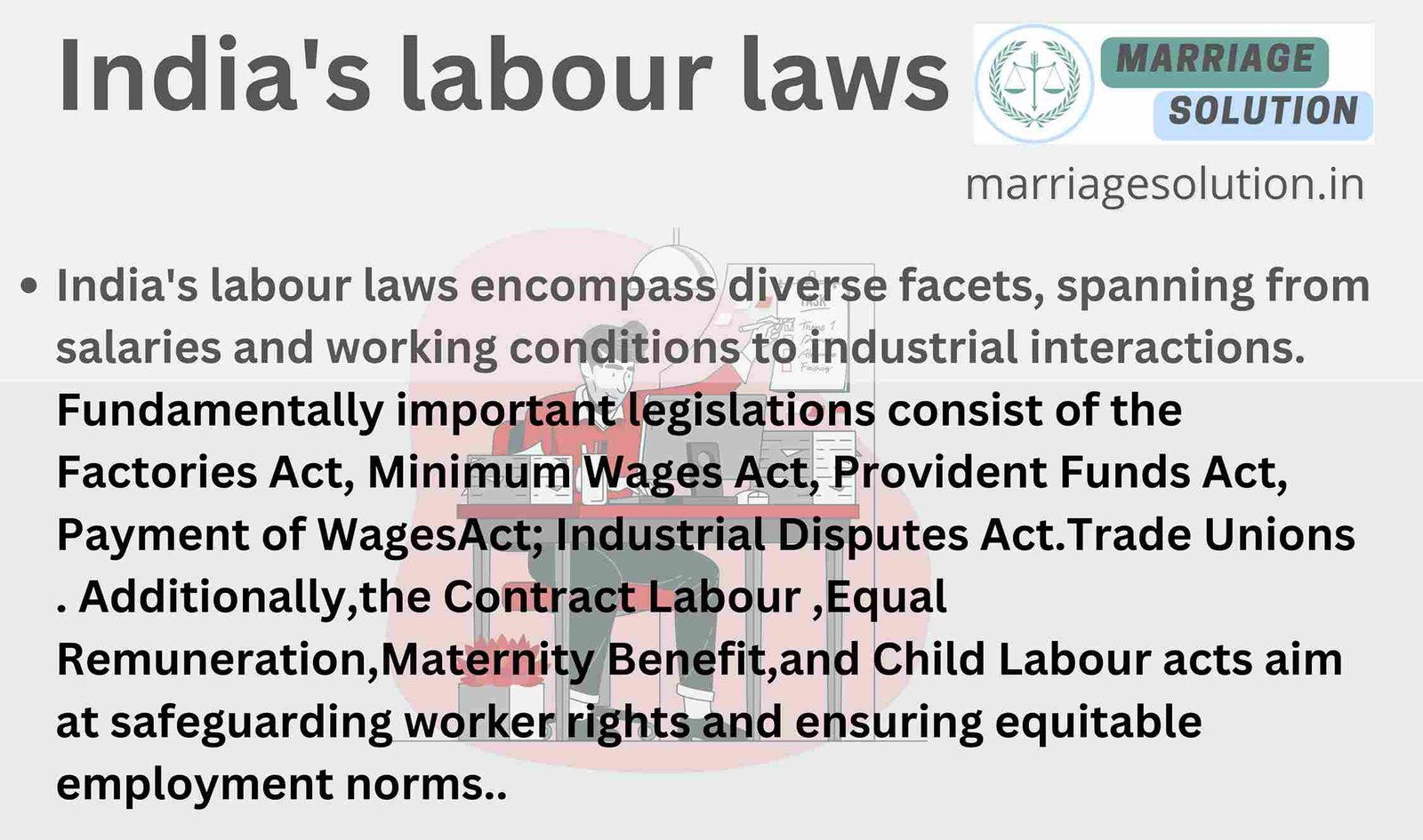
The purpose of labour laws is to safeguard employees and guarantee equitable treatment at the workplace, encompassing aspects such as remuneration, security, and perks. These regulations establish a secure ambiance by imposing minimum wage requirements, ensuring factory safety measures are…
GST :Your Comprehensive Guide (Part 1 – Understanding the Basics)
The Goods and Services Tax (GST) is like a big change in how we pay taxes in India. It started on July 1, 2017, and it’s here to simplify things. Before GST, we had many different taxes, and it could…