
IPC 383
Introduction IPC 383 in India is about bullying someone into giving up their things by scaring them. It’s like making them hand over their stuff because they’re afraid something bad will happen otherwise. Definition of IPC Section 383 IPC 383 in India deals with extortion. It’s when someone uses dishonest threats (physical harm, ruining reputation) […]
IPC 382
IPC 382 addresses theft following preparations for causing death, hurt, or restraint, portraying a scenario of theft after plotting harm, emphasizing the severity of the offense and its legal ramifications.
IPC 381
Introduction This law protects employers in India. It applies when someone you hired in a trusted position, like a clerk, servant, or cashier, steals your belongings. This includes money, goods, documents, or even confidential information, taken without your permission and with the intention of keeping it. What is IPC 381 ? IPC Section 381 deals […]
IPC 380

This offense involves unlawfully taking movable property from a residential space without the owner’s consent.
IPC 379
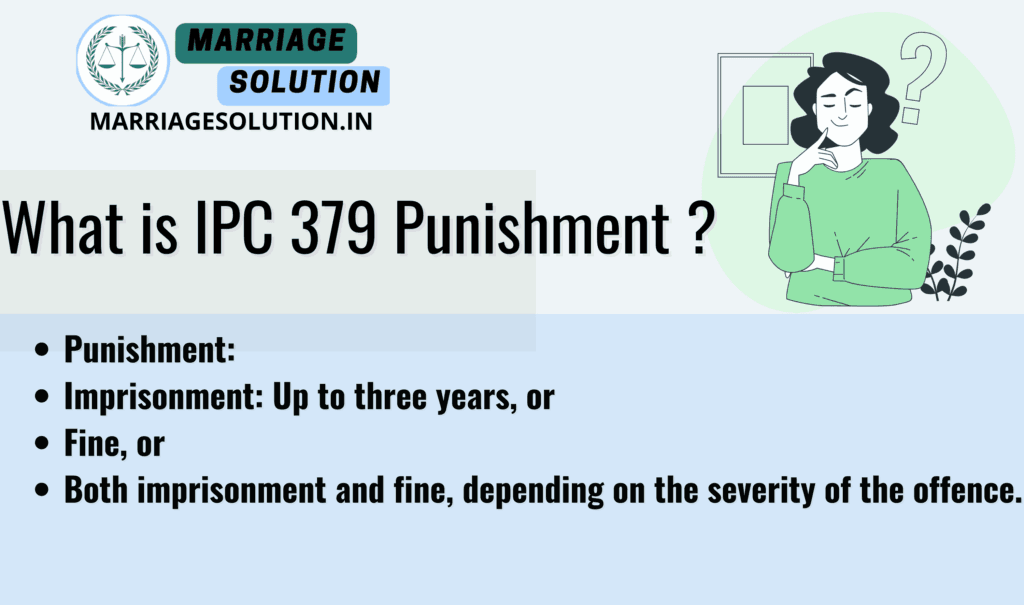
The punishment for theft under IPC Section 379 includes imprisonment for up to three years, a fine, or both, depending on the severity of the offense
IPC 378
IPC Section 378 of the Indian Penal Code (IPC) defines and penalizes the crime of theft in India. Theft occurs when someone dishonestly takes movable property without consent and with the intention to permanently deprive the owner
IPC 377

Introduction What is Section 377 IPC IPC 377 is a law in India that says certain types of sexual activities are not allowed. It mainly targets relationships between people of the same sex. Some people think this law is unfair because it restricts the rights of LGBTQ+ individuals. In 2018, India’s Supreme Court said this […]