
BNS 218 : Resistance to the taking of property by the lawful authority of a public servant.
BNS 218 – Resistance to the lawful taking of property by a public servant. Explained in simple words with meaning, punishment, examples, and comparison with IPC Section 183.
BNS 217 : Giving false information on purpose to a public servant so that they use their legal powers in a way that harms someone else.
BNS 217 – Law against giving false information to public servants with intent to harm others. Punishment up to 1 year jail or ₹10,000 fine. Comparison with IPC Section 182 explained in simple words.
216 BNS : False statement on oath or affirmation to public servant or person authorised to administer an oath or affirmation.
216 BNS explains punishment for giving false statements under oath. Learn meaning, offence type, examples, and comparison with IPC 181.
BNS 215 : Refusing to sign statement.
BNS 215 – Refusing to Sign Statement, its meaning, punishment, bailable status, and difference from IPC Section 180. Understand how this law ensures accountability in legal proceedings with examples and key points.
214 BNS :Refusing to answer public servant authorised to question.

214 BNS – Refusing to answer a public servant. Meaning, punishment, examples, nature of the offence, bailability, and comparison with IPC Section 179 explained in simple words
213 BNS : When a person is asked by a judge or other public servant to take an oath or make a promise (affirmation) before giving evidence or statement, but the person refuses to do it.
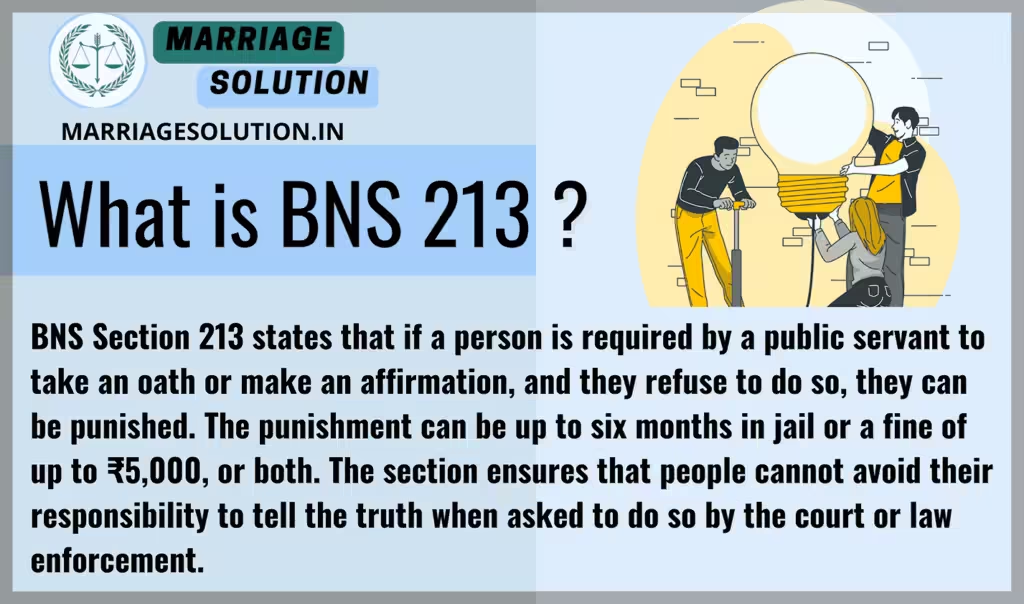
BNS 213 – Refusal to take oath or affirmation. Meaning, punishment, examples, nature of the offence, bailability, and comparison with IPC Section 178 explained in simple words.
BNS 212 : Furnishing false information.
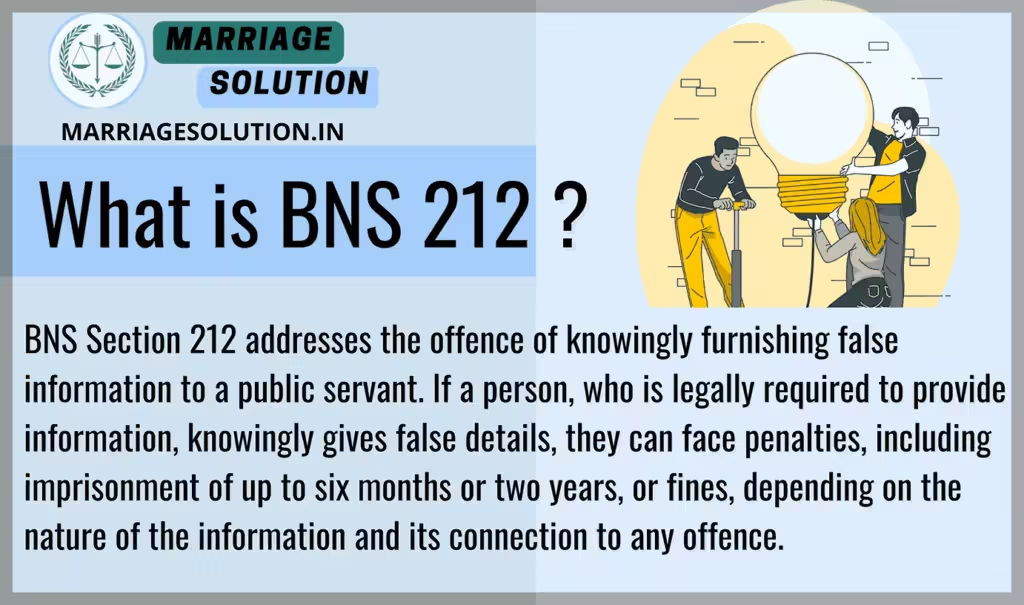
BNS 212– Furnishing false information to a public servant. Meaning, punishment, examples, nature of offence, bailability, and comparison with IPC Section 177.